
Top 10 Sights in Istanbul
Browse the city's rich heritage of the ages and civilizations, all around the multi-layered corners of Istanbul’s captivating historical quarters!
Browse the city's rich heritage of the ages and civilizations, all around the multi-layered corners of Istanbul’s captivating historical quarters!
Follow our important announcements and current news.
Local favorites, Hidden Gems, Favorite Markets, Historical Cornerstones, Top Museums, Must-see Neighborhoods all around Istanbul
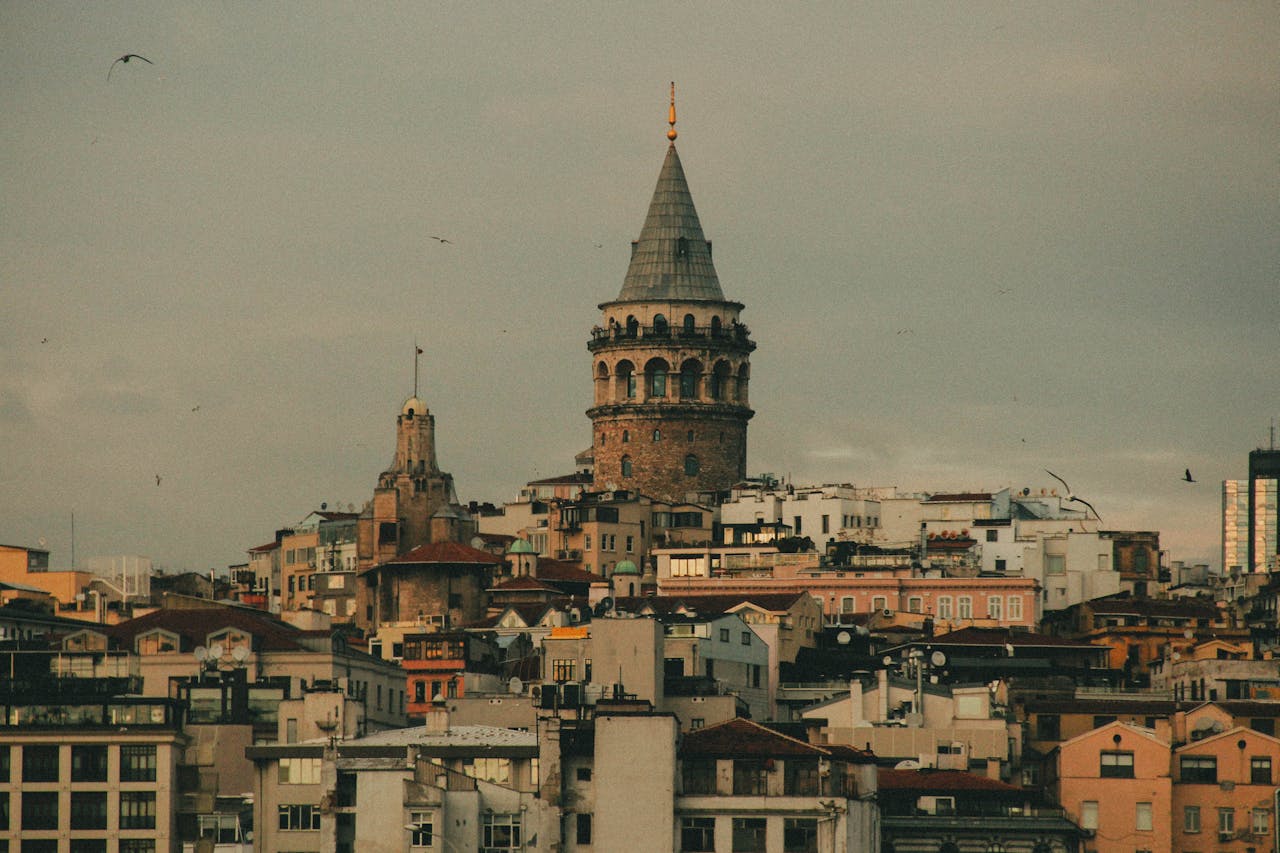
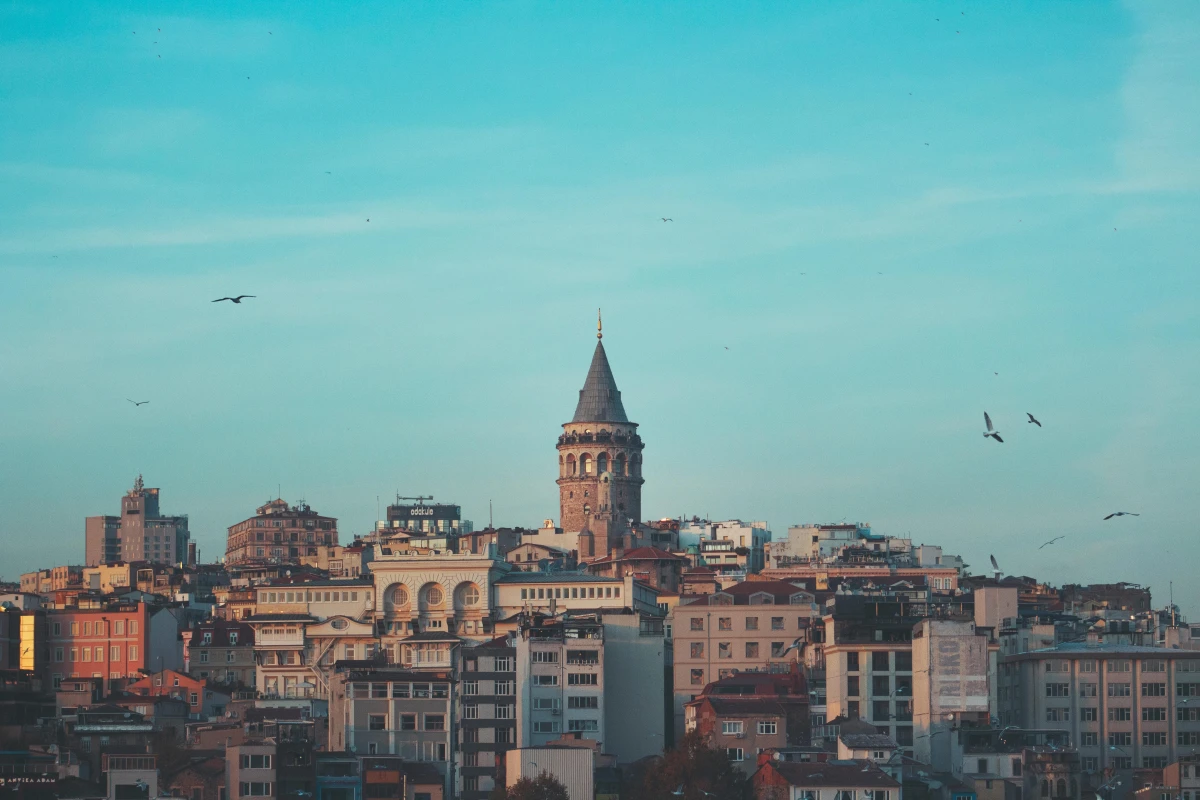
A medieval Genoese tower that became a prison, an observatory, a fire alarm and a panoramic landmark Galata Tower rises above Beyoğlu’s winding streets with one of Istanbul’s most memorable views. From its observation deck, trace the Golden Horn, follow ferries across the Bosphorus and spot the domes and minarets of the Historic Peninsula. Few places reveal the city’s geography across Bosphorus and Historical peninsula. The Genoese built the present tower in 1348 at the highest point of their fortified trading colony. Medieval sources suggest that they referred to it as the Tower of the Holy Cross. Its hilltop position allowed Genoese merchants to watch the harbor, defend their settlement and display their power across the Golden Horn. The tower originally formed part of Galata’s defensive walls. Its elevated entrance probably connected to a removable wooden bridge, while passages climbed through the thick masonry. After the Ottoman conquest in 1453, Sultan Mehmed II brought Galata under Ottoman control but protected its role as a major trading centre. Greeks, Jews, Armenians, Italians and Turks continued to shape the surrounding district.The Ottomans gave the tower several new jobs. They used it as a dungeon, observatory and fire lookout. From 1717, watchmen scanned Istanbul’s wooden neighbourhoods for smoke. They raised colored flags during the day and lit colored lamps at night to identify the threatened district: an early warning system with an excellent view of the city.Then comes the famous legend among the locals. Ottoman traveler Evliya Çelebi claimed that Hezarfen Ahmed Çelebi strapped on artificial wings and flew from the tower to Üsküdar, Asian side of the Bosphorus. Before entering, look over the door for the Ottoman inscription celebrating Sultan Mahmud II’s repairs. And that famous pointed roof? A storm ripped it away in 1875. Restorers rebuilt it in the 1960s, giving Galata Tower the silhouette that defines it today.
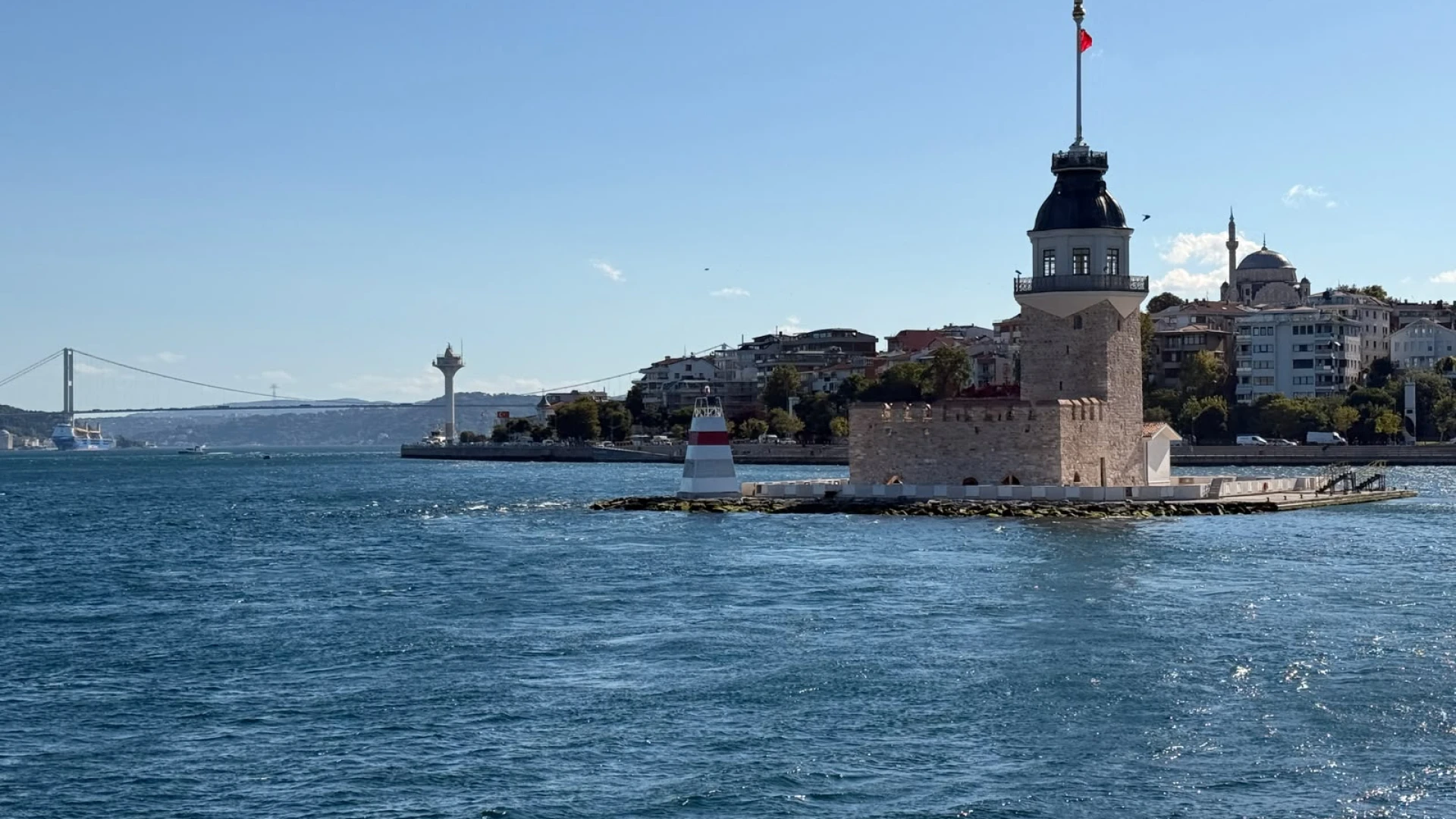
Rising from a small islet in the Bosphorus, the Maiden’s Tower (Kız Kulesi) is one of Istanbul’s most iconic landmarks, steeped in legend and history. Originally built as a watchtower, it has served various purposes over the centuries, from a lighthouse to a quarantine station. Today, it stands as a beautifully restored monument, offering visitors striking views of Istanbul’s skyline.The history of the tower dates back to the 5th century BC, when it was used as a customs checkpoint for goods arriving in Chalcedon, one of the Greek settlements on the Asian side of the Bosphorus. During the Byzantine era, it was converted into a defensive tower to protect the Bosphorus from possible invasions. The Byzantines also used a chain to block the strait during attacks.In the Ottoman era, the tower continued to serve a defensive function. However, it also became an important symbol of the city, particularly during celebrations marking the enthronement of a new sultan and religious festivals known as bayram in Turkish. At different points in its history, the building also served as a quarantine station, including during outbreaks of cholera.With the rise of modern maritime traffic in the 19th century, the tower was adapted for use as a lighthouse, helping ships navigate the Bosphorus. Today, after extensive restoration, the Maiden’s Tower functions as a historic monument and visitor attraction, offering panoramic views across the strait and Istanbul’s skyline.Maiden Tower has always been part of legends, poems or even modern Turkish series, as an icon of the city. The best-known legend associated with the tower tells the story of a king and his daughter. Warned by a fortune-teller that his daughter would die from a snake bite, the king had the Maiden’s Tower built on a rocky islet off the coast of Salacak to protect her and placed her inside the tower. The king regularly sent food to his daughter in baskets. One day, however, a snake hidden inside a basket of fruit bit the princess, fulfilling the prophecy and causing her death.For visitors, the Maiden’s Tower is more than just another stop on an Istanbul itinerary. Its position in the middle of the Bosphorus offers views across the strait, with the Historic Peninsula, Topkapı Palace, Galata Tower, and Dolmabahçe Palace all visible within a single panorama. Whether you come for the history, the legends, or simply the view, the Maiden’s Tower is never a bad idea.
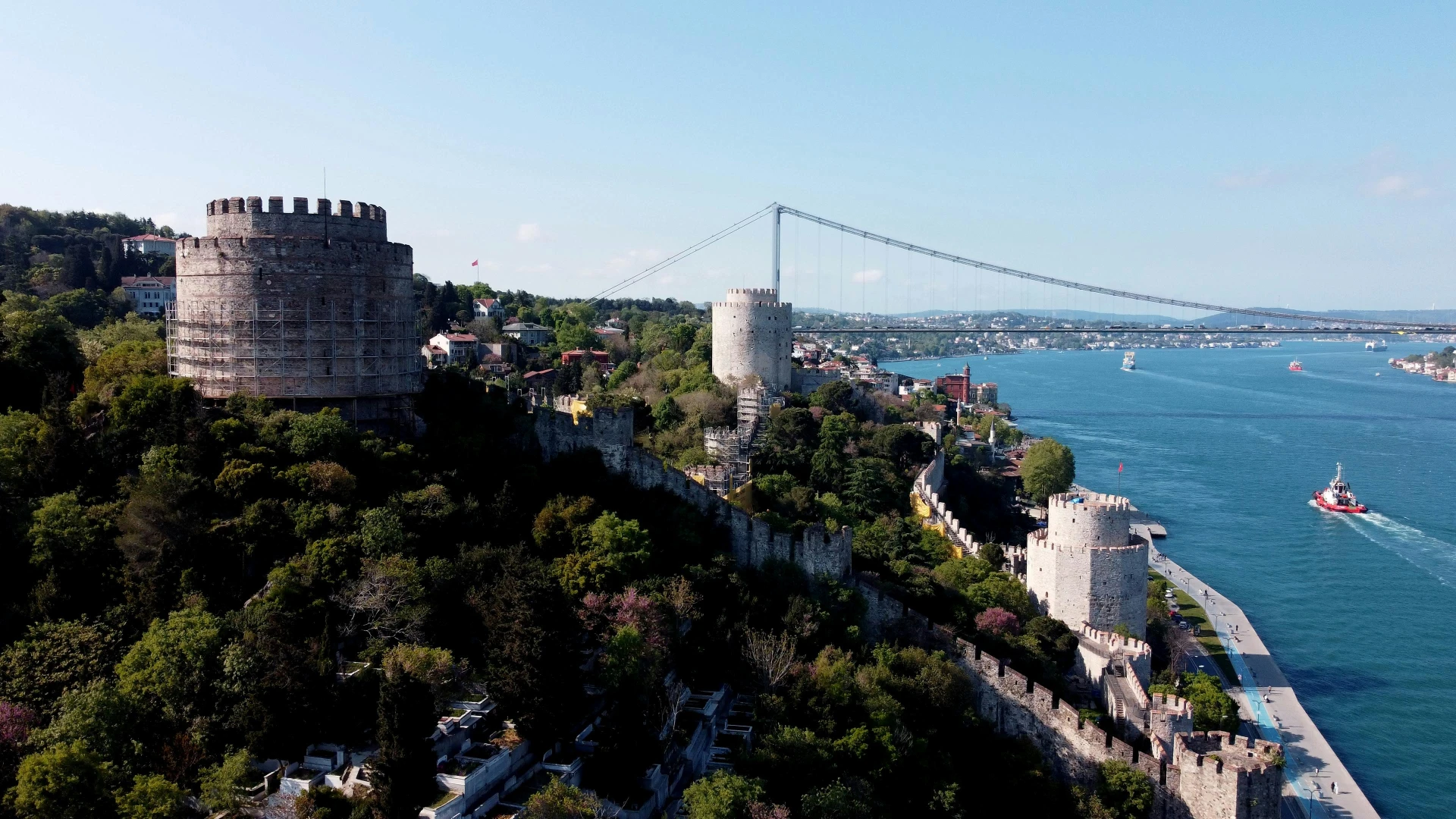
Rumeli Hisarı, built in 1452 by Sultan Mehmed II, is a massive fortress on the European side of the Bosphorus, strategically placed to control naval passage before the conquest of Constantinople. With its three large towers, thick stone walls, and steep staircases, it remains one of Istanbul’s most striking military structures. Once used as a customs checkpoint and prison, it is currently under restoration and will continue to serve as a museum after the restauration. Surrounded by lively cafés and scenic promenades, Rumeli Hisarı stands as a powerful reminder of Ottoman military strategy and history.
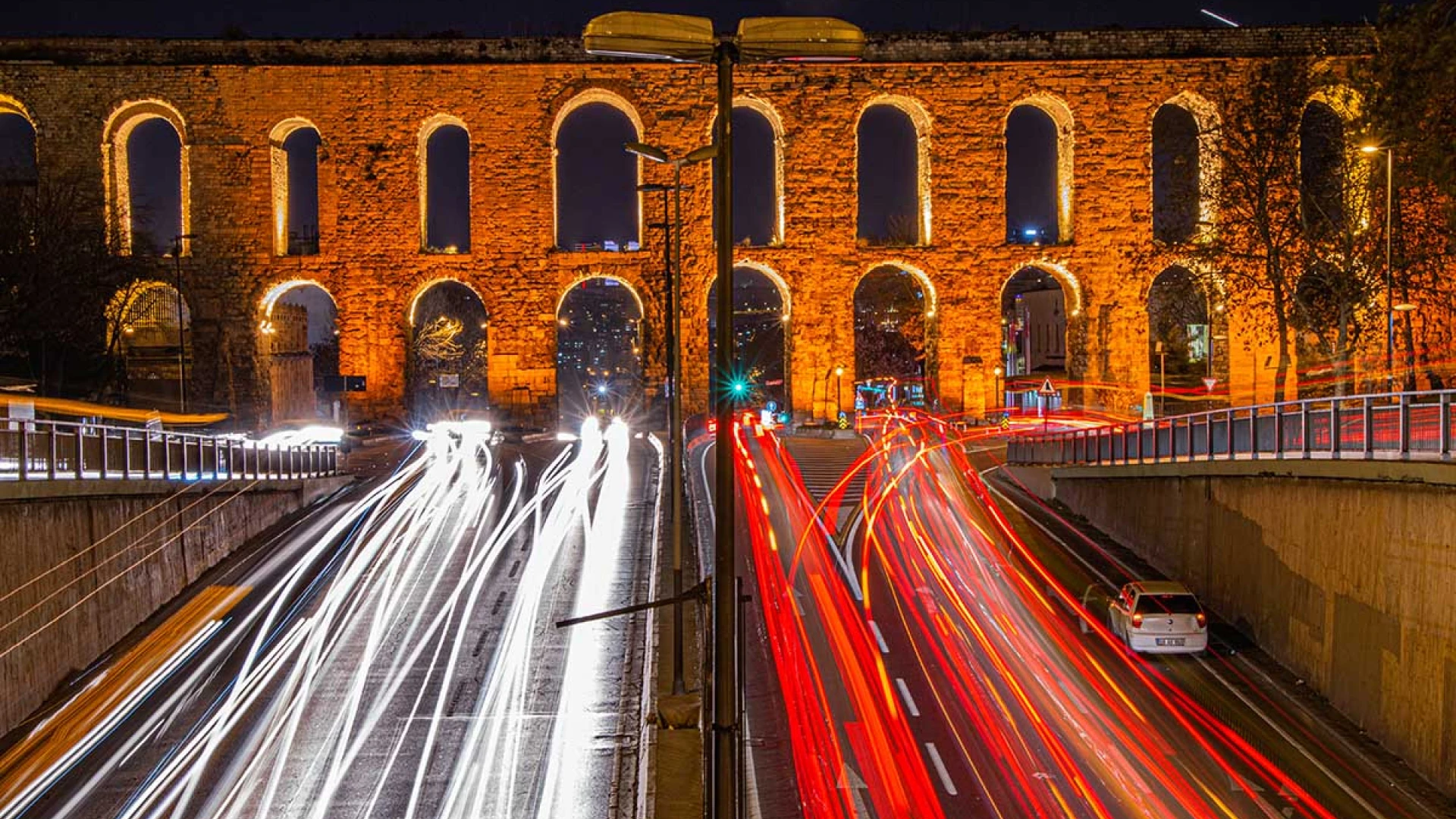
The Valens Aqueduct, also known as Bozdoğan Kemeri, is one of Istanbul’s most important Roman-era structures. Completed in 378 AD by Emperor Valens, it was part of a 250-kilometer water system supplying Constantinople’s cisterns and public fountains. Originally built to address the city’s chronic water shortage, it was later connected to major reservoirs like Yerebatan and Binbirdirek Cisterns during the reign of Justinian I. The aqueduct suffered damage during the Avar Siege of 626, and later Ottoman sultans, including Mehmed II and Süleyman the Magnificent, restored and expanded it. Standing 29 meters high and spanning 971 meters, it remains a dominant feature of Istanbul’s skyline. Once supplying the Topkapı Palace, today it stands as a testament to the city’s 1,500-year water heritage, bridging antiquity with modern Istanbul.
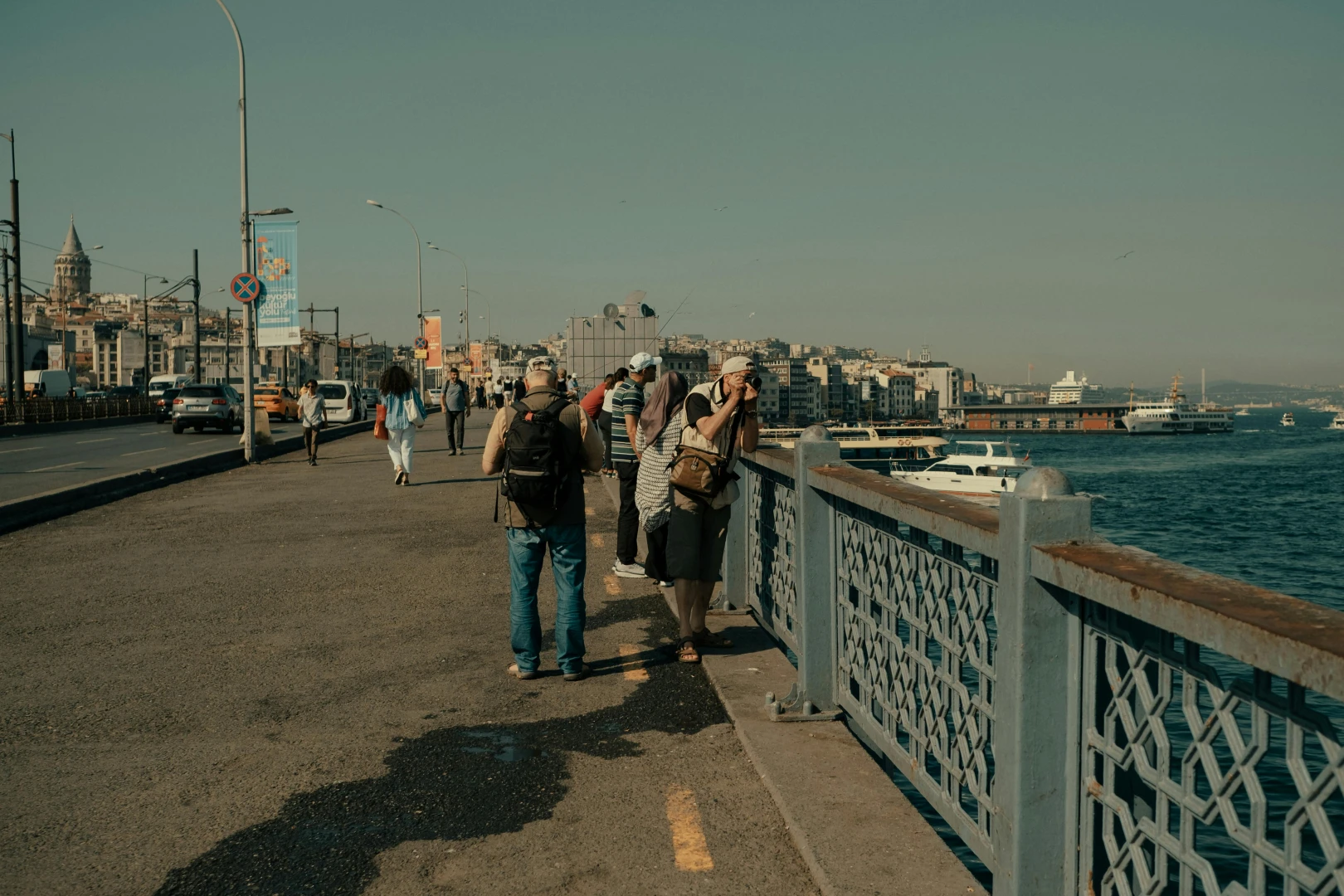
Spanning the Golden Horn between the historical districts of Eminönü and Karaköy, the Galata Bridge serves as a vital route that links the ancient peninsula to the multicultural neighborhoods of Galata. This iconic crossing has been rebuilt five times throughout its history, evolving from a wooden structure commissioned in the late nineteenth century into the robust steel version that opened in the 1990s. Beyond its functional role, the bridge stands as a resilient landmark that has survived fires and dramatic transformations to remain a beloved symbol of the city. It perfectly captures the spirit of Istanbul, connecting the oldest part of the city, which is home to many famous mosques and landmarks, to a vibrant area known for grand nineteenth century architecture and a lively cultural scene.Today, the bridge remains a lively center of activity that is easily accessible by public transport or on foot from nearby sites like the Spice Bazaar. The upper deck is famous for the timeless tradition of local fishermen, a scene immortalized in the work of photographer Ara Güler, while the lower level functions as a hidden urban space. This lower part of the bridge has a street with taverns and restaurants that offer visitors a chance to enjoy fresh seasonal fish while watching the iconic city ferries drift across the water. By blending deep historical significance with the daily rhythm of modern life, the Galata Bridge continues to act as an essential connection between the past and present of this magnificent city.
Çemberlitaş Hammam, built in 1584 by Mimar Sinan for Nurbanu Sultan, is one of Istanbul’s most historic Turkish baths. Located near the Çemberlitaş Column, this Ottoman-era hamam has been a place of relaxation for centuries. Its high domed ceilings, marble basins, and heated central stone (göbek taşı) offer an authentic Turkish bath experience. Visitors can enjoy traditional treatments like scrubbing and foam massages, immersing themselves in a ritual that has been part of Ottoman culture for generations.
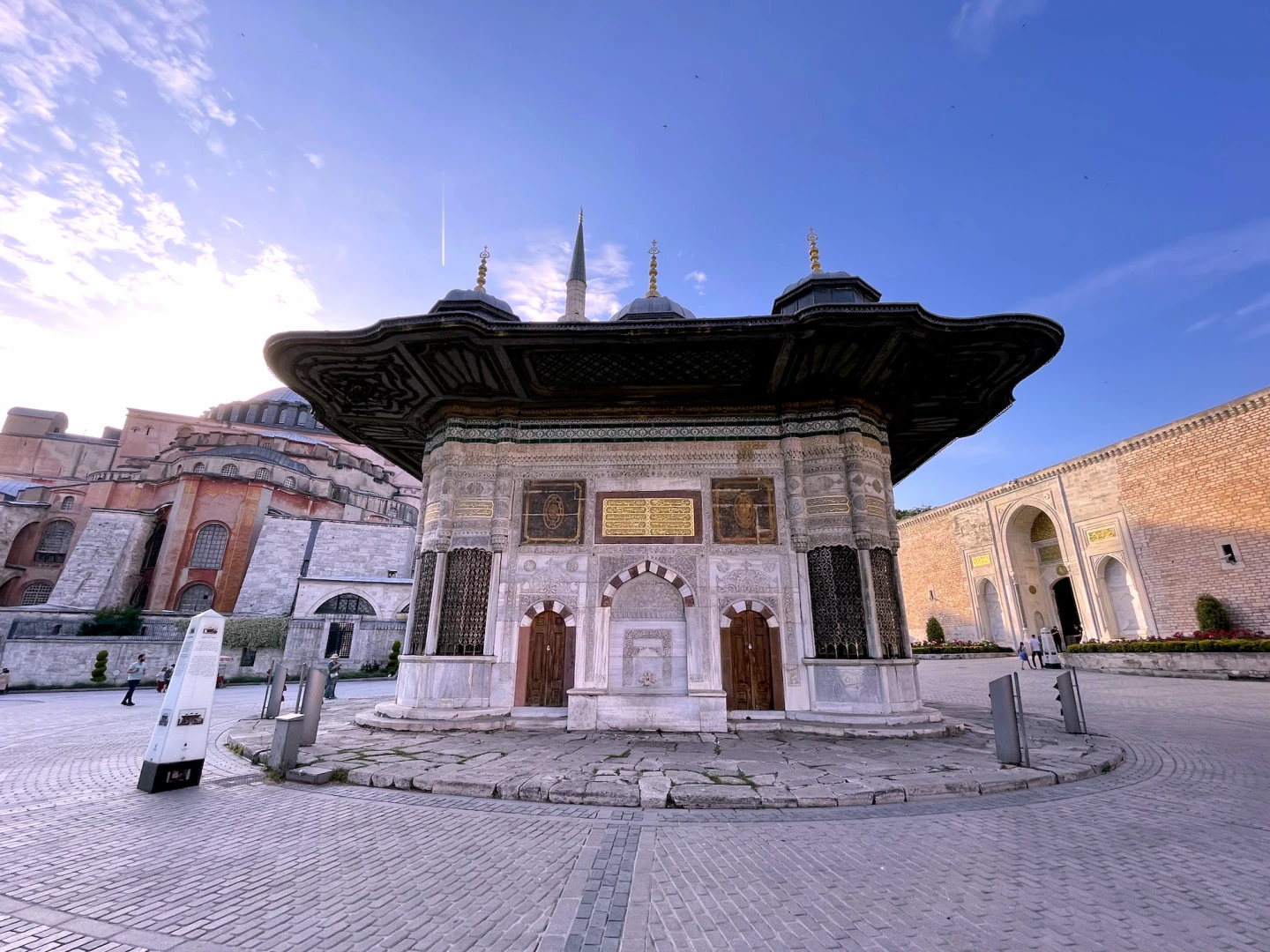
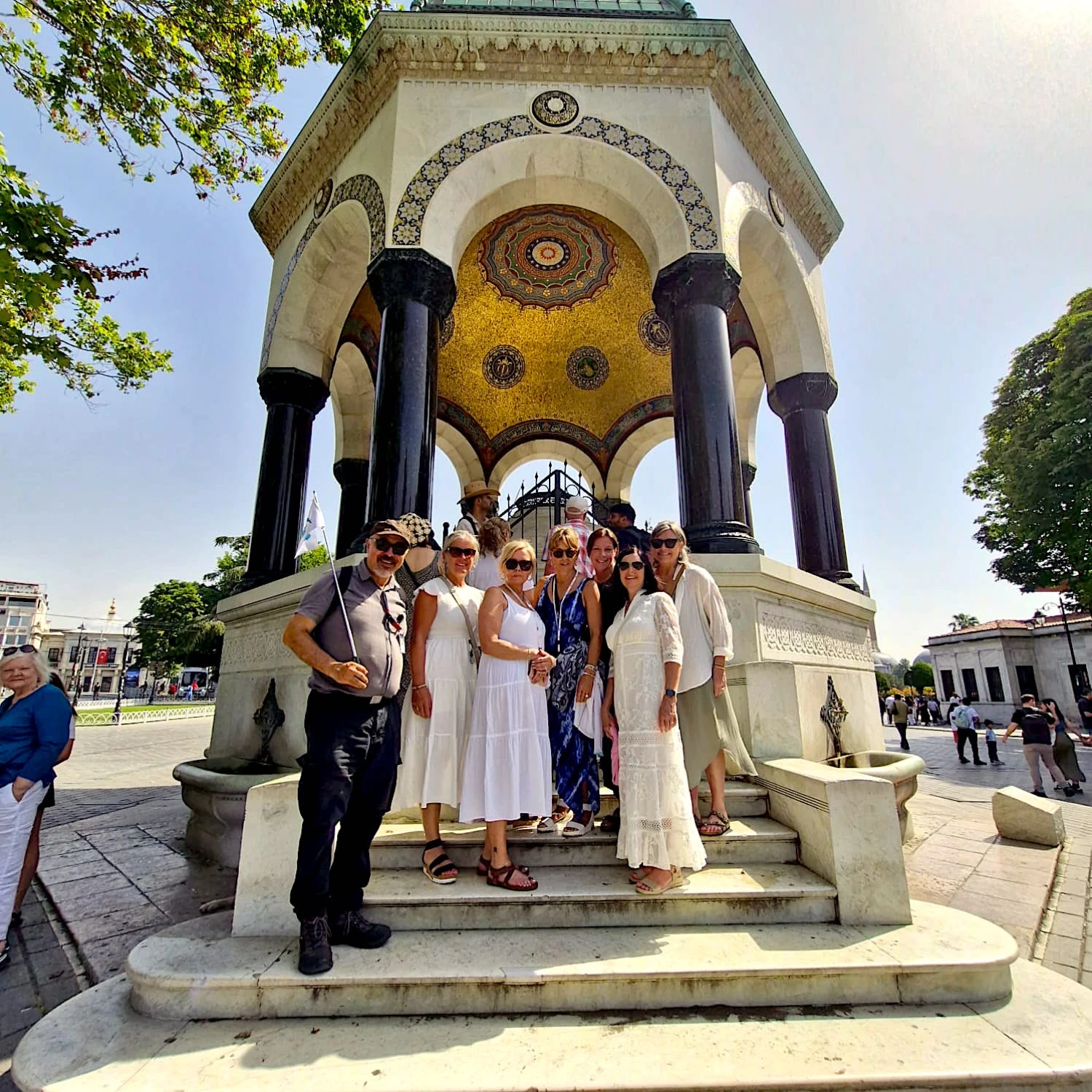
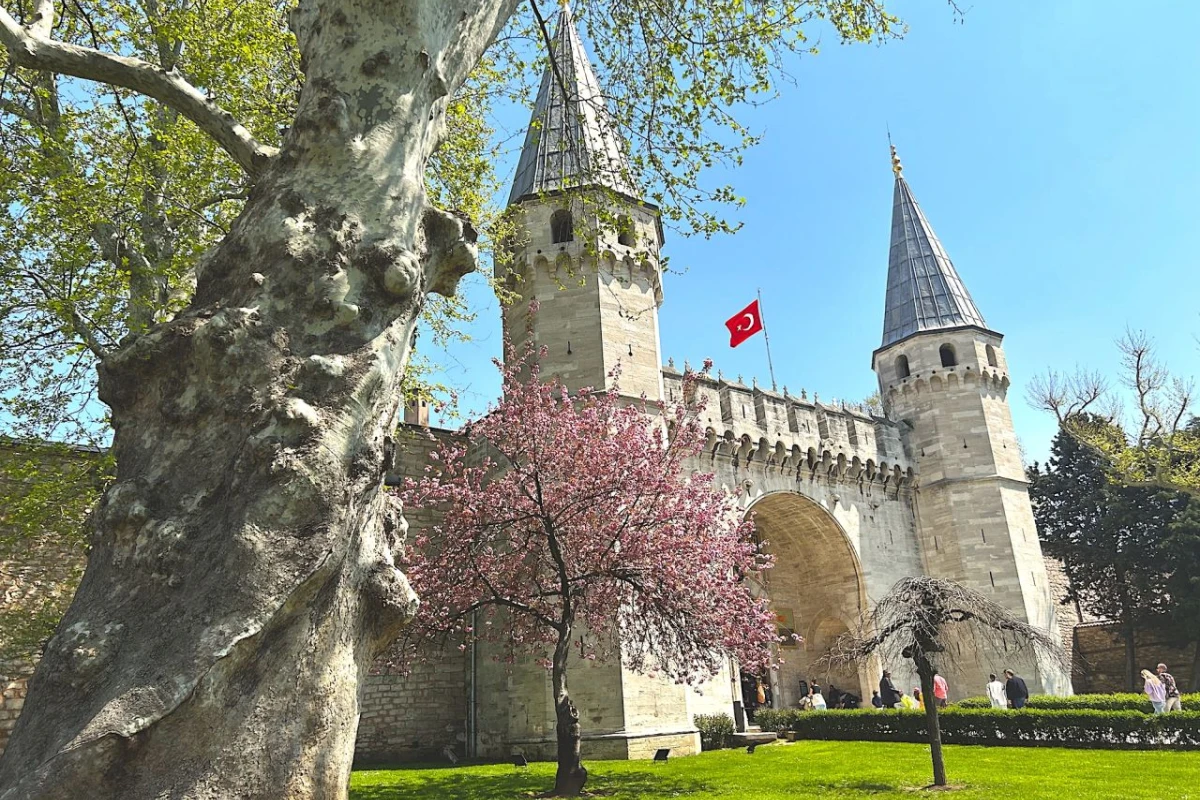
Situated at the entrance of Topkapı Palace, the Sultan III. Ahmed Fountain is one of the most elegant examples of 18th-century Ottoman rococo architecture. Built in 1728 by Sultan Ahmed III, this ornate fountain replaced an older Byzantine water source and became a prominent landmark of Istanbul’s imperial quarter. Its intricate floral motifs, calligraphic inscriptions, and gracefully curved eaves reflect the artistic refinement of the Tulip Era, a period of cultural flourishing in the Ottoman Empire. Once a vital stop for travelers and locals seeking fresh water, today it stands as a historical gem, admired for its architectural beauty and detailed craftsmanship.
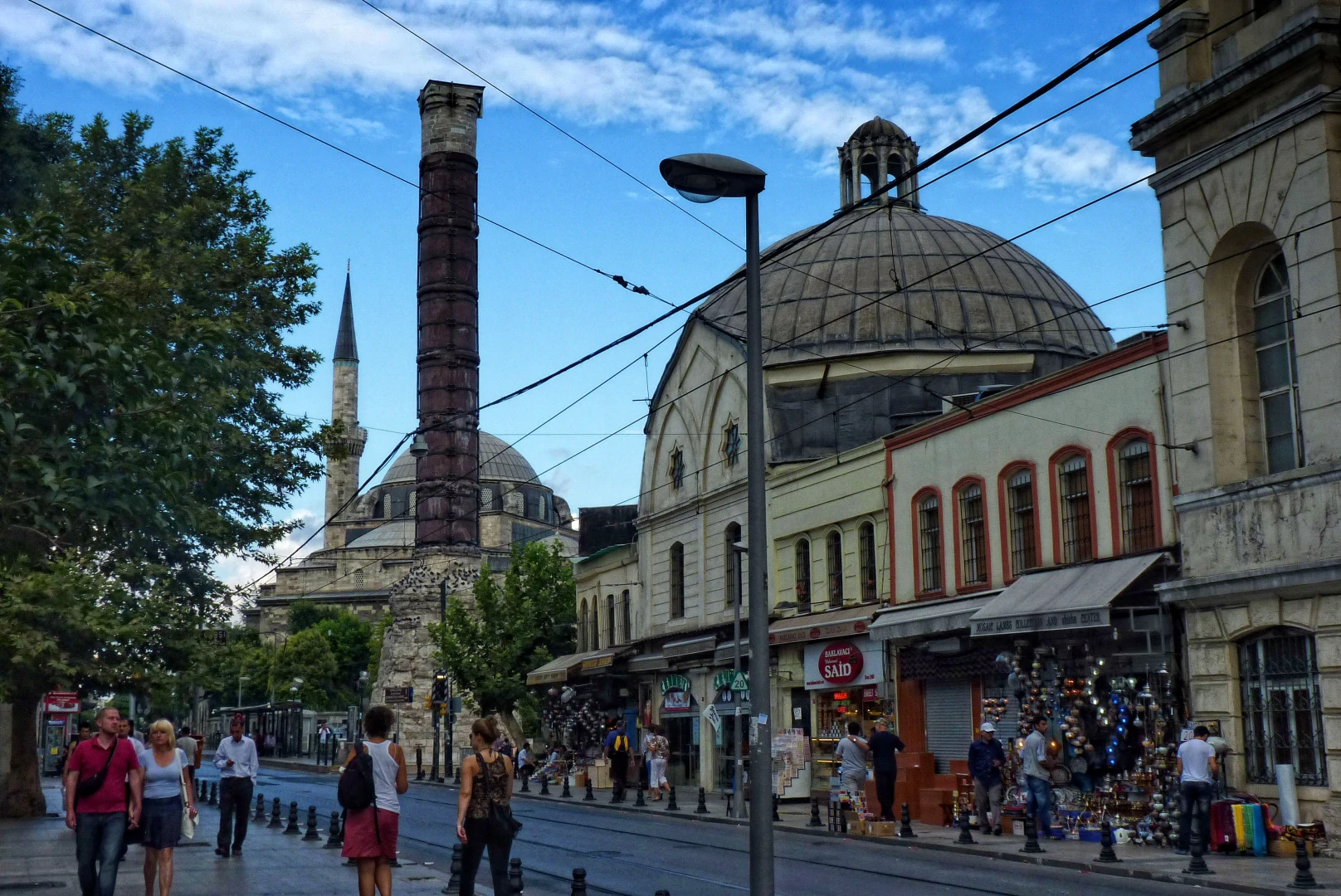
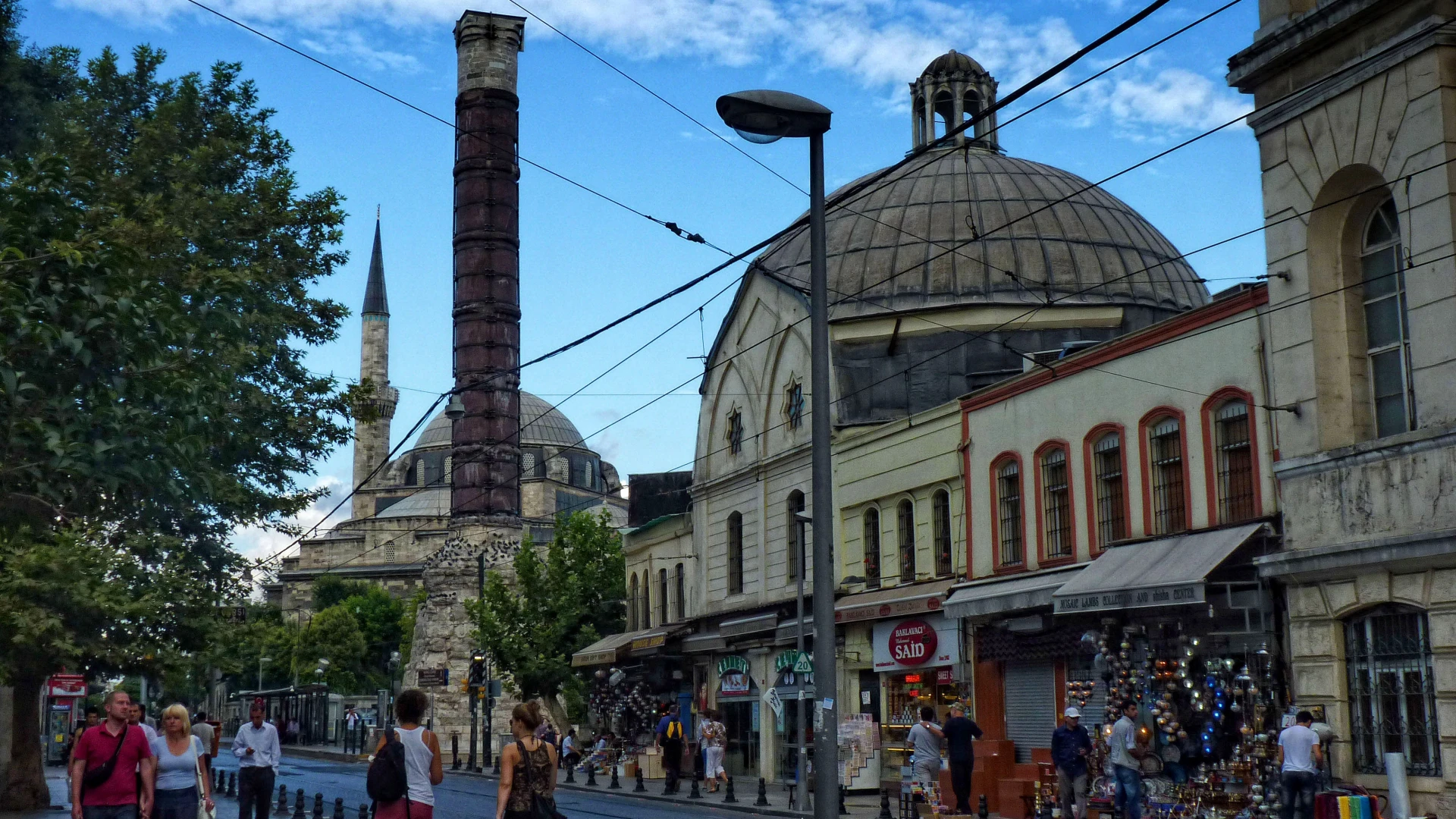
The Column of Constantine, or the Burnt Column, is one of the most historic monuments in Istanbul, originally erected by Emperor Constantine the Great to celebrate the city’s transformation into the capital of the Roman Empire in 330 AD. Located at the heart of the ancient Forum of Constantine, it was once crowned by a statue of the emperor, depicted as Apollo. Over the centuries, the column has undergone several modifications, including the addition of iron hoops in 416 AD for structural support. The column is famous for its relics, which were buried under its base during its dedication, including the Palladium of Troy and pieces of the True Cross. Today, it stands as a solitary reminder of Byzantium’s imperial past, with its damaged Corinthian capital and the remnants of its statue—a symbol of the city's long and multifaceted history
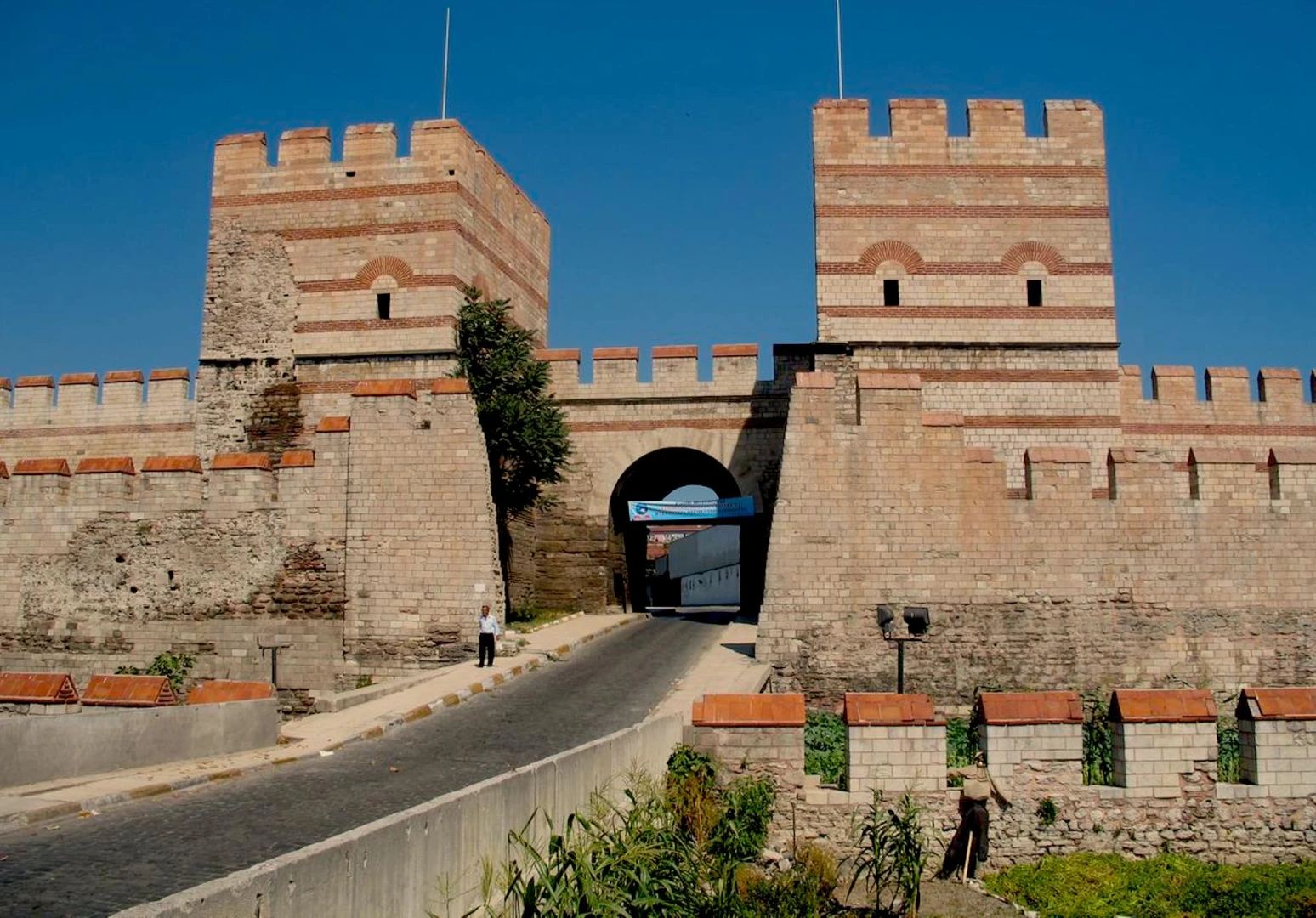
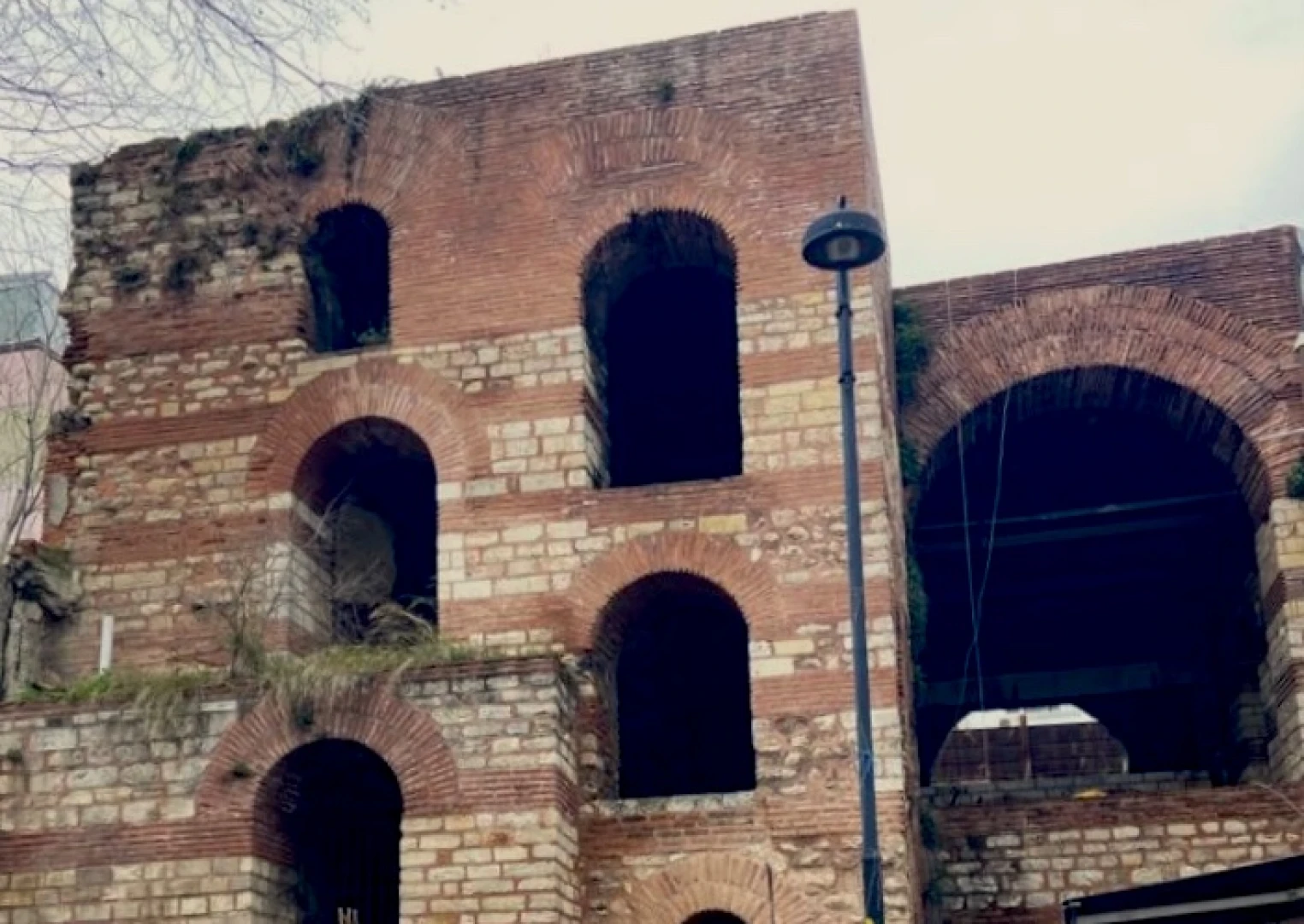
The Theodosian Walls, a monumental defense system constructed during the reign of Emperor Theodosius II in the 5th century, were integral to protecting Constantinople for over a millennium. Stretching from the Sea of Marmara to the Golden Horn, these fortifications included a double wall, towers, and a moat, with some sections standing even today, albeit in ruins. These walls withstood numerous sieges, most notably by Attila the Hun and later by the Ottomans in 1453. Today, remnants of these walls, such as those near Tekfur Saray, offer a fascinating glimpse into Byzantine engineering. Along with the nearby structures like the Golden Gate, the Theodosian Walls remain a testament to the city's strategic and architectural significance
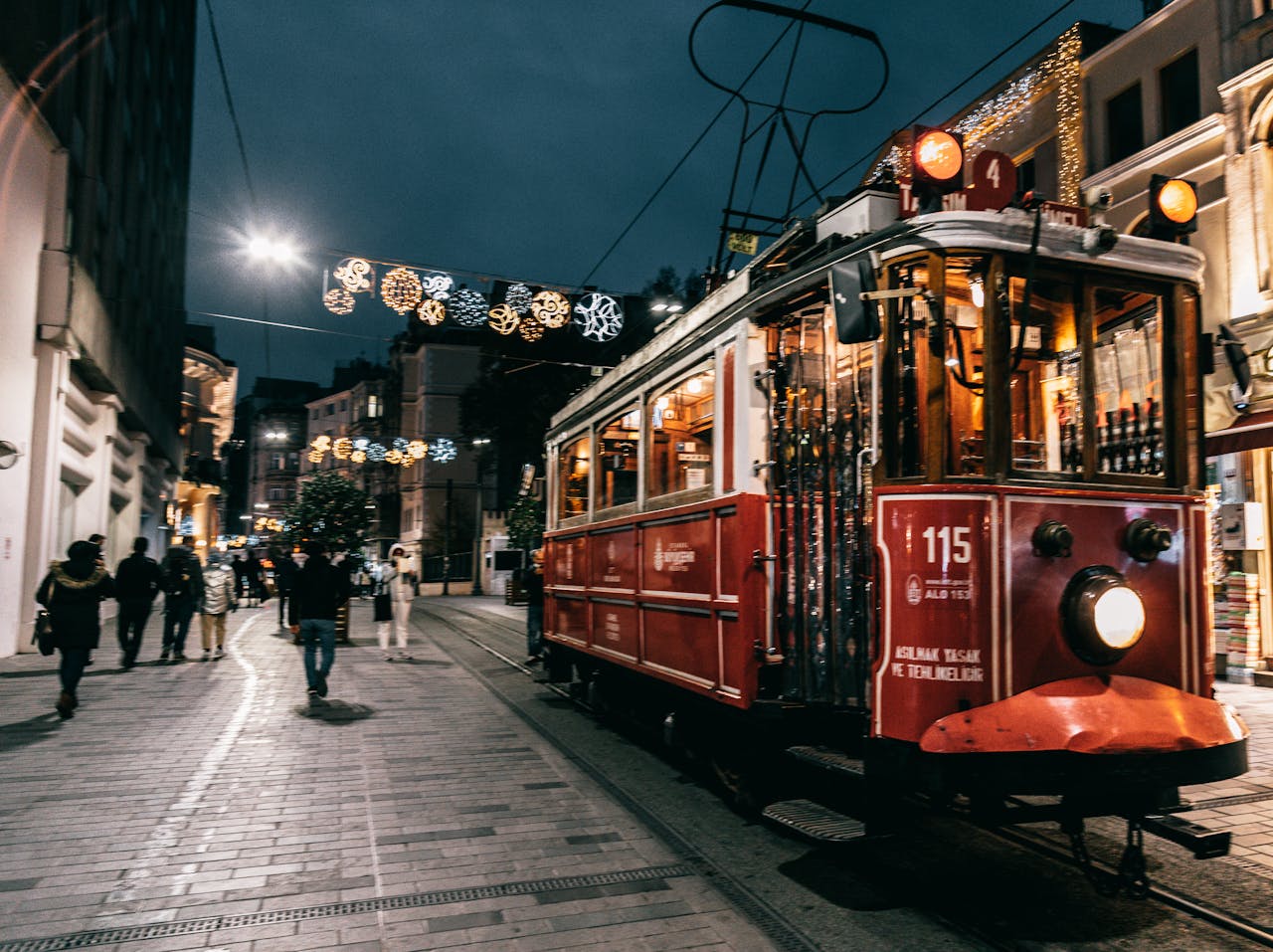
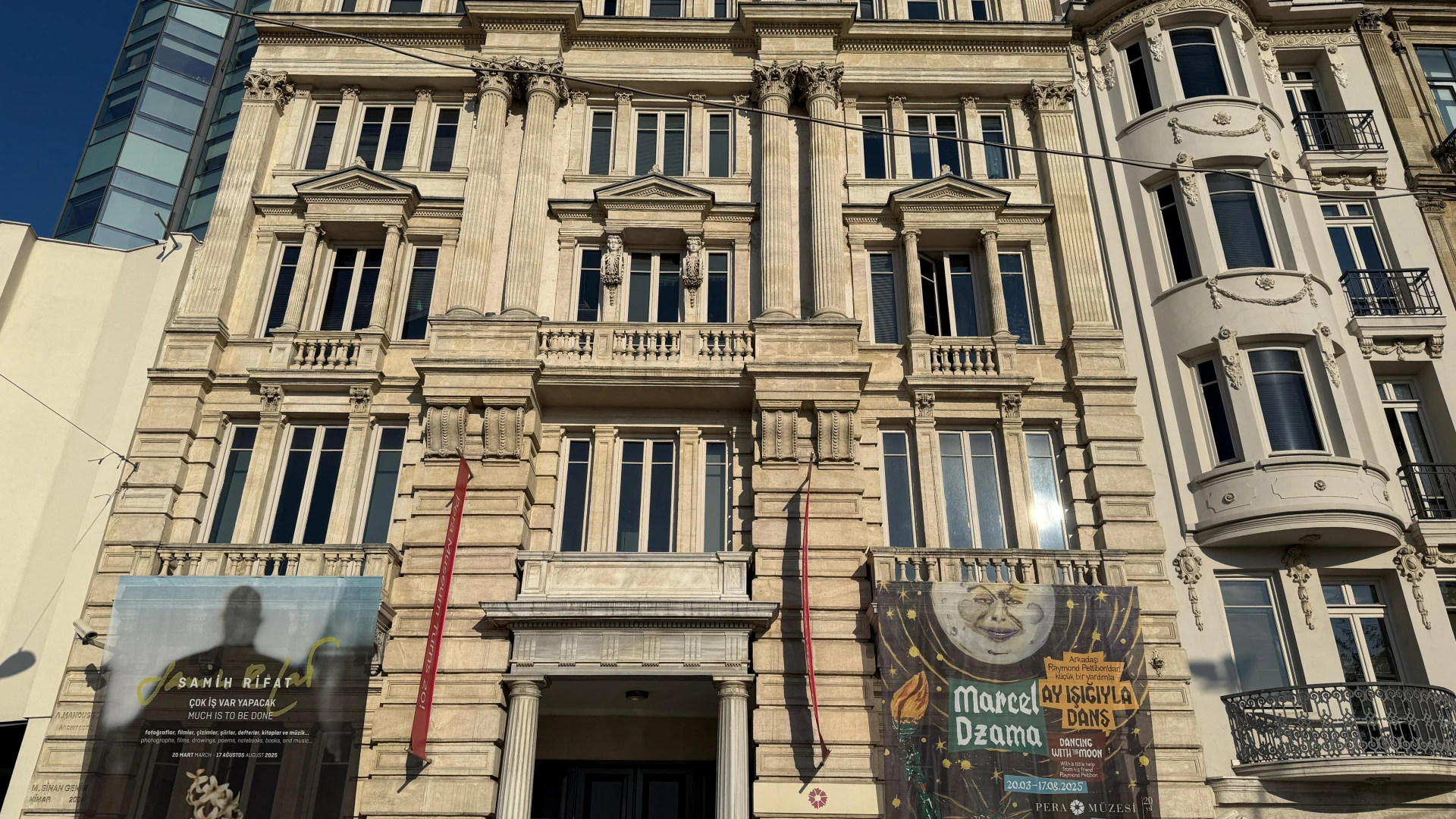
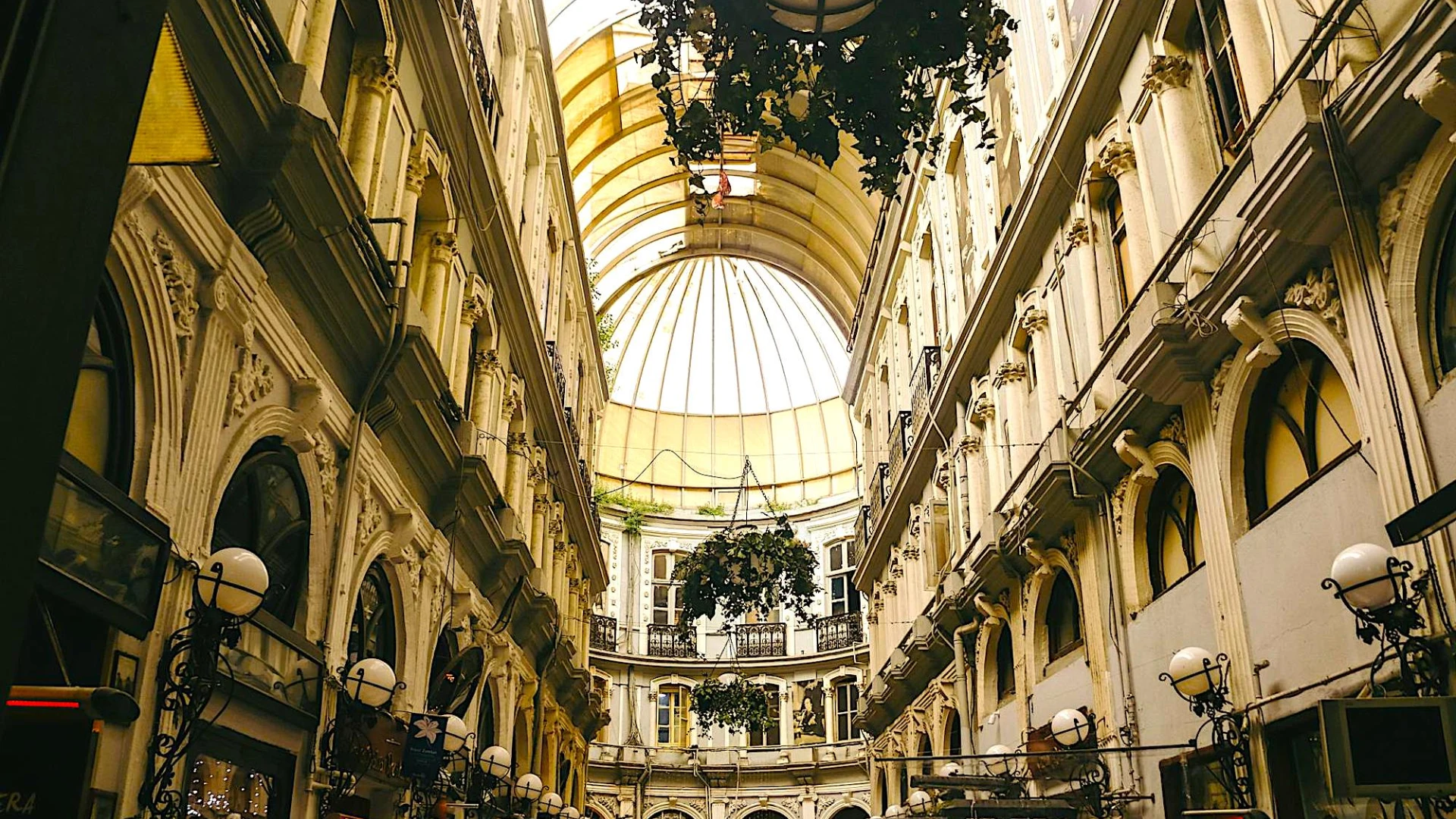
For more than a century, İstiklal Street has been Istanbul’s social, cultural and commercial heart. Stretching from Taksim Square to Galata, this lively pedestrian avenue has welcomed everyone from diplomats and merchants to artists, writers and musicians. Walking down the street today means retracing the footsteps of generations who shaped the city’s modern identity.Originally known as Grand Rue de Péra (or the Great Avenue of Pera), the street took its current name, İstiklal, meaning “Independence,” after the founding of the Republic of Türkiye. The older name, Pera, comes from the Greek word meaning “the opposite side” or “across the water,” referring to its location across the Golden Horn from Constantinople’s historic peninsula.During the Ottoman period, Pera became Istanbul’s most cosmopolitan neighborhood. Levantines, European families who had lived and traded in the Ottoman Empire for generations, settled alongside Greek, Armenian and Jewish communities. Churches, synagogues, embassies, schools, elegant apartment buildings and fashionable shops lined the avenue, creating a neighborhood unlike anywhere else in the empire.The story of the Levantines perfectly illustrates Istanbul’s role as the meeting point of East and West. In the nineteenth century, reforms granted foreigners greater legal rights and freedom to own property. Merchants, bankers, entrepreneurs and diplomats flocked to Pera, transforming it into a prosperous commercial district. Luxury cafés, European-style department stores, arcades, banks, theatres and newspapers flourished, giving the neighborhood an atmosphere many contemporary writers described as “the West of the East.” It was a place where Parisian fashion, Ottoman traditions and Mediterranean trade met on the same street.That international spirit still defines İstiklal Street today. Many European consulates continue to occupy grand nineteenth-century buildings along the avenue, quietly reminding visitors of Pera’s diplomatic importance. Although traffic has disappeared, the street has lost none of its energy. Street musicians perform beneath historic façades, the nostalgic red tram glides through the crowds, and visitors move between bookstores, art galleries, historic arcades, cafés and restaurants from morning until late at night.Like much of Istanbul, İstiklal has experienced periods of decline and renewal. As the city expanded and the capital moved to Ankara, the district gradually lost some of its former prestige. Yet the pedestrianization of the avenue in the early 1990s sparked a remarkable revival. Today, İstiklal Street once again stands at the center of Istanbul’s cultural life, preserving the memory of the city’s cosmopolitan past while embracing its vibrant present.More than a shopping street, İstiklal is one of the best places to understand Istanbul itself: a city that has always connected continents, cultures and ideas. Every step reveals another layer of that story.
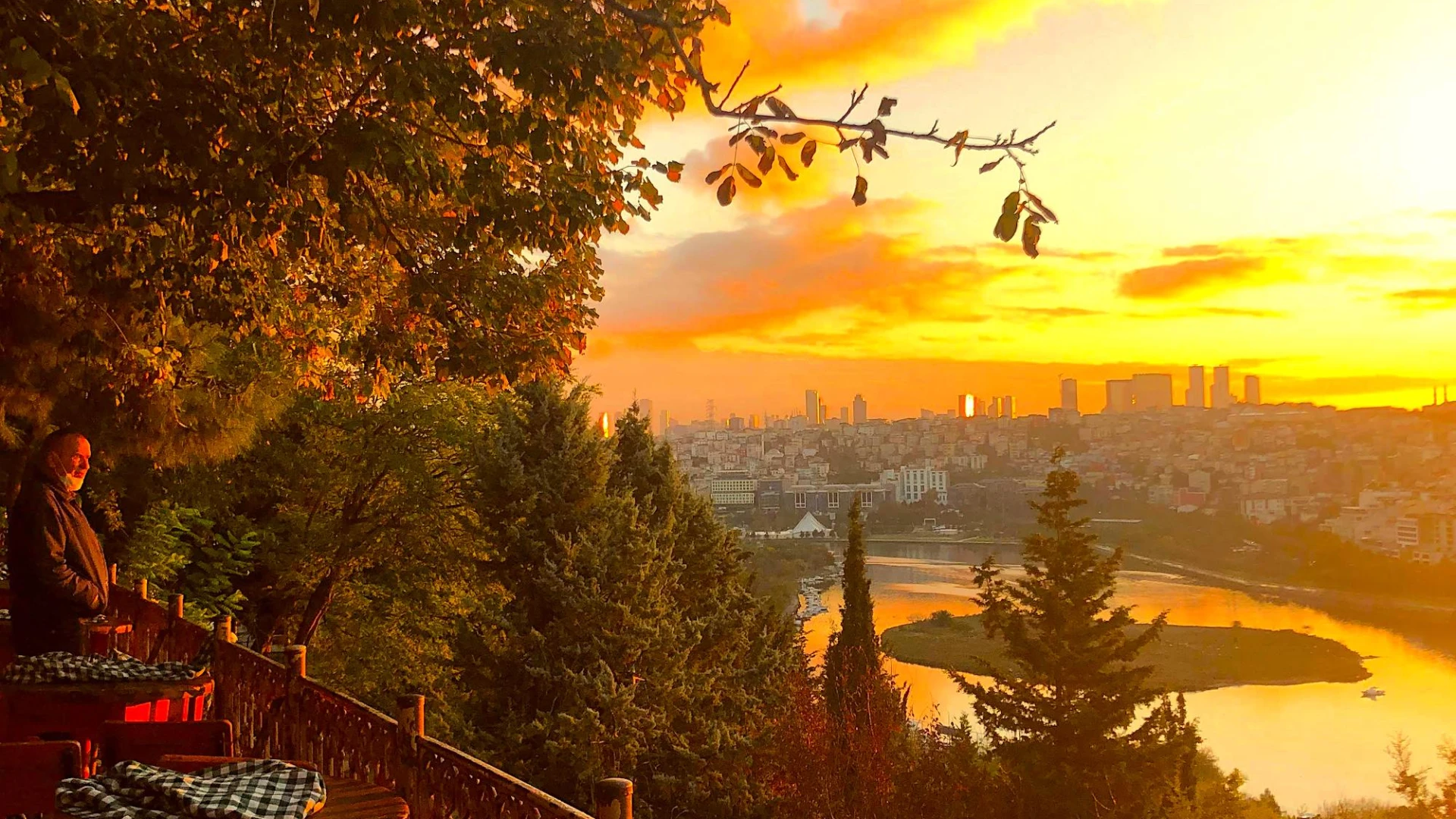
Pierre Loti Hill, located in the Eyüp district of Istanbul, is a popular spot known for its stunning views of the Golden Horn. Named after the French writer Pierre Loti, who was a frequent visitor and admirer of the city, the hill is home to cafés where visitors can relax and enjoy the panoramic scenery. The area is easily accessible by a short cable car ride or a scenic uphill walk through the Eyüp Cemetery. With its peaceful atmosphere and breathtaking views, Pierre Loti Hill offers a quiet escape from the city’s busy streets while providing a glimpse into Istanbul’s past and literary connections.
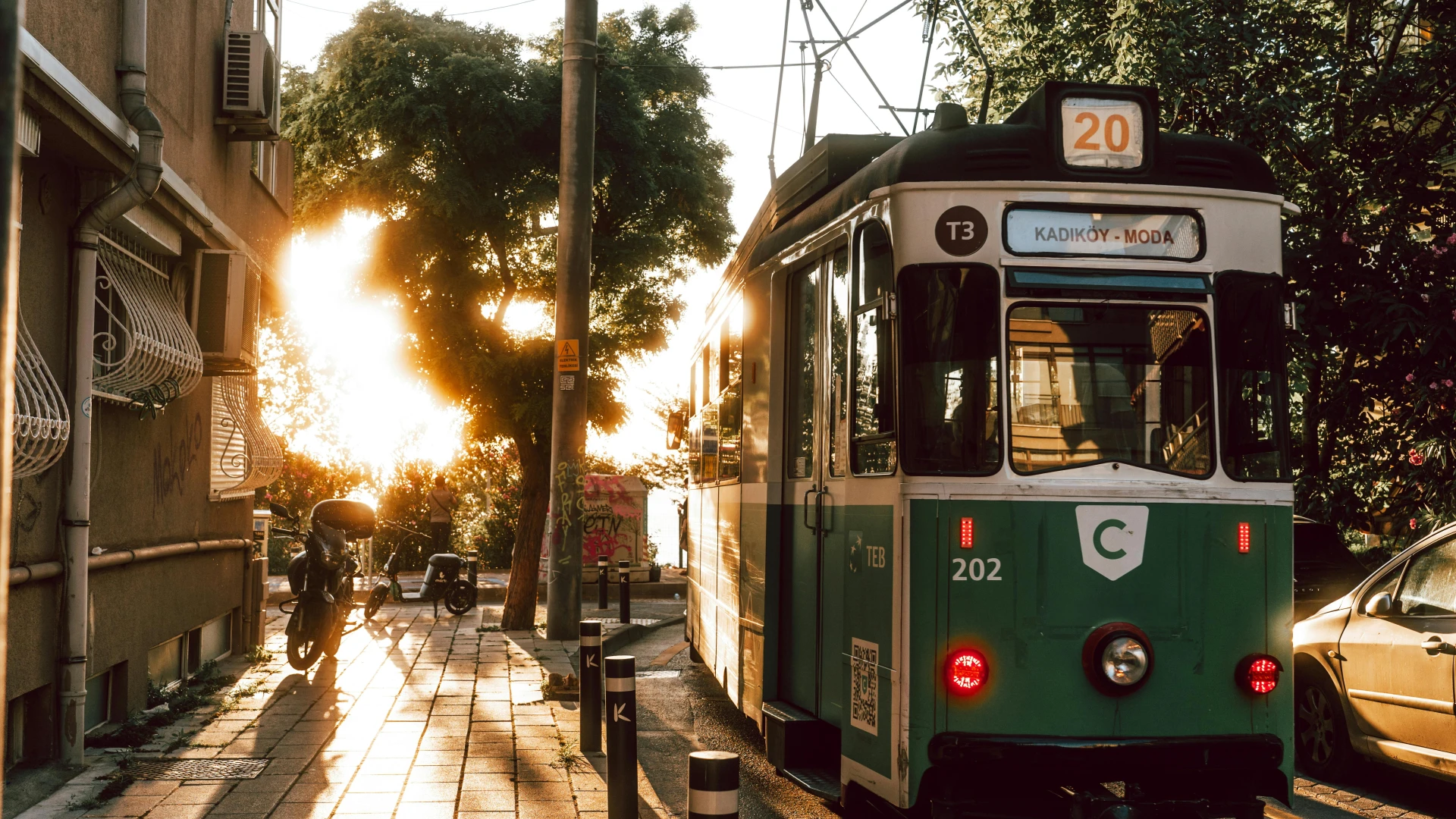
Kadıköy Çarşı, the vibrant heart of Kadıköy, is one of Istanbul’s most lively and historic marketplaces. Filled with traditional shops, modern boutiques, cafés, and street food stalls, it offers a mix of old and new. The market is famous for its fresh seafood, spice shops, artisanal bakeries, and local delicacies, making it a paradise for food lovers. Beyond shopping, the area is known for its street art, bookshops, and bustling nightlife, reflecting Kadıköy’s youthful and artistic spirit. Whether exploring its historic passageways or enjoying a meal at a meze restaurant, Kadıköy Çarşı captures the city’s energy in a unique, local atmosphere.
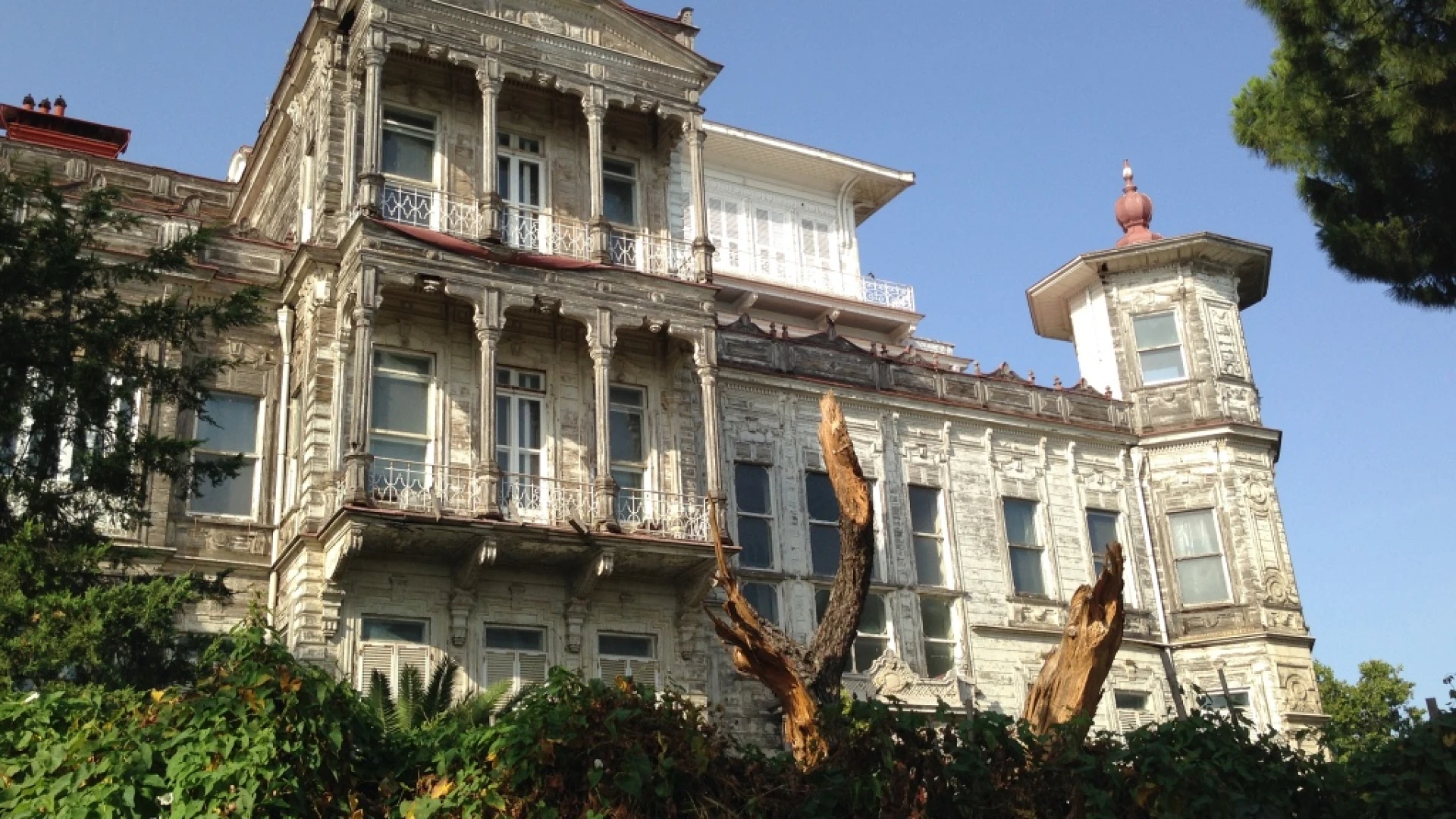
Bağdat Street, one of Istanbul’s most upscale and lively streets, stretches along the Asian side of the city, parallel to the Marmara Sea. Known for its luxury boutiques, high-end restaurants, and stylish cafés, it is a major shopping and social hub. The avenue also has a vibrant nightlife, with trendy bars and rooftop lounges. Beyond shopping and dining, Bağdat Street is popular for leisurely walks, jogging, and cycling, thanks to its wide sidewalks and tree-lined paths. With its mix of modern city life and relaxed seaside atmosphere, it remains one of Istanbul’s most fashionable and dynamic districts.
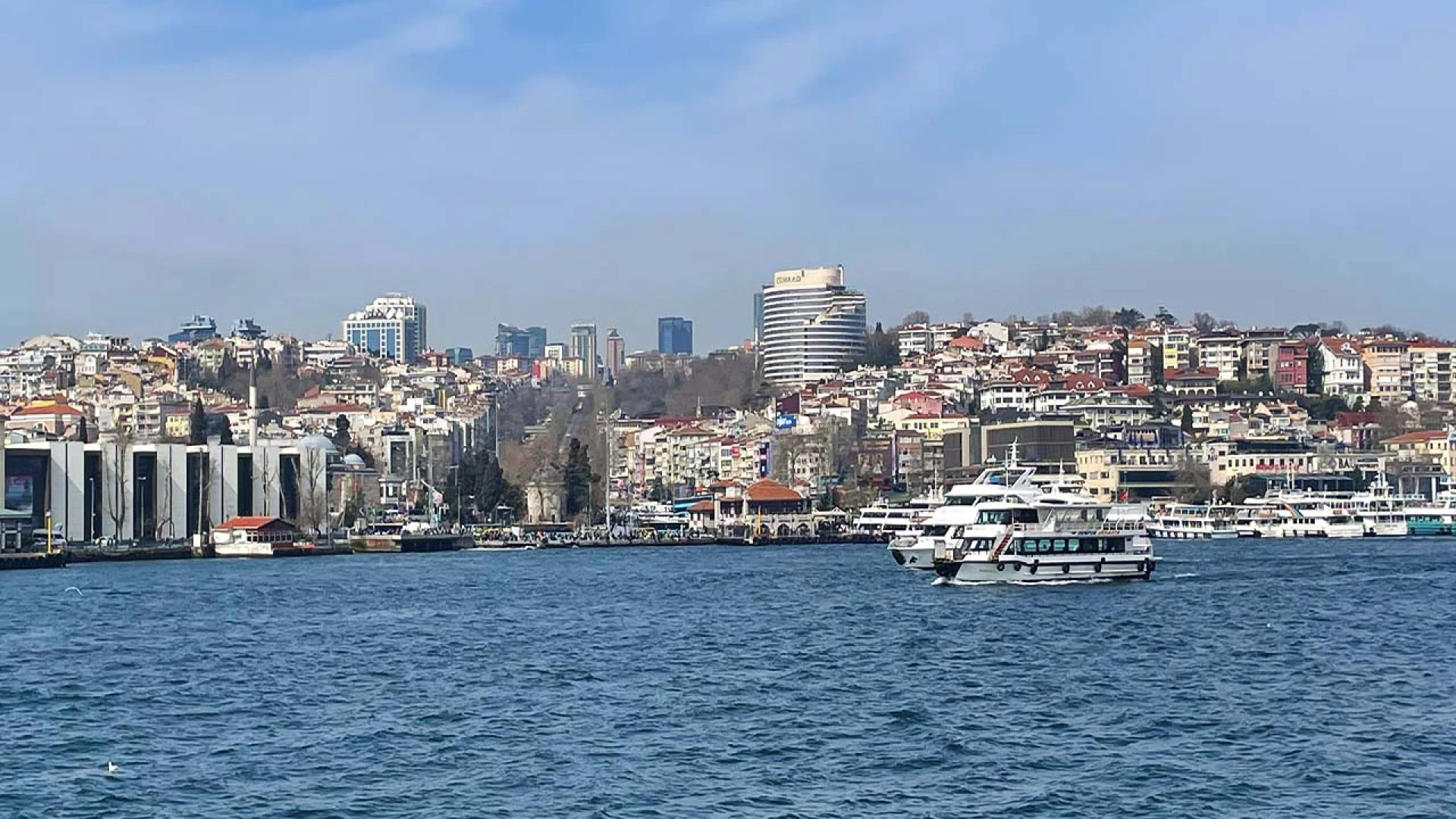
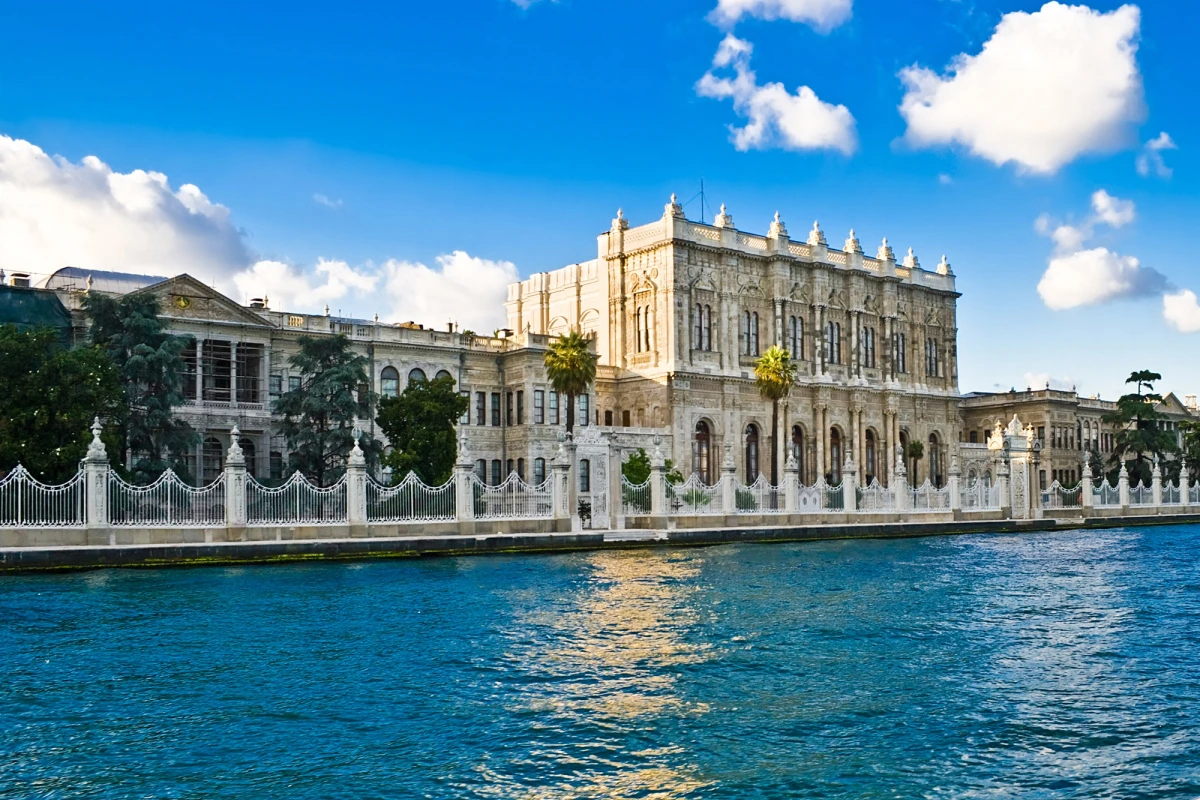
Beşiktaş Coast is one of the most vibrant waterfronts in the city, offering stunning Bosphorus views, historical landmarks, and a dynamic social atmosphere. As one of Istanbul’s oldest districts, Beşiktaş has been an important maritime and cultural hub for centuries, dating back to the Byzantine and Ottoman periods. The coastline is home to iconic landmarks such as the Dolmabahçe Palace, the Naval Museum, and the historic Barbaros Hayreddin Pasha Monument, honoring the legendary Ottoman admiral. The Beşiktaş Pier is a major transit point, connecting passengers to Üsküdar, Kadıköy, and the Princes’ Islands, making the area a bustling intersection of city life and sea travel. Beşiktaş Coast is also known for its lively parks, street performers, and cozy waterfront cafés, making it a popular gathering spot for locals and tourists alike. The famous Beşiktaş Square, just steps from the shore, is lined with traditional tea gardens, fish sandwich vendors, and modern coffee shops, creating a perfect blend of old and new Istanbul. Whether you’re taking a scenic ferry ride, enjoying a peaceful moment by the water, or immersing yourself in the district’s energetic atmosphere, Beşiktaş Coast is an unmissable stop for those looking to experience Istanbul’s Bosphorus charm.
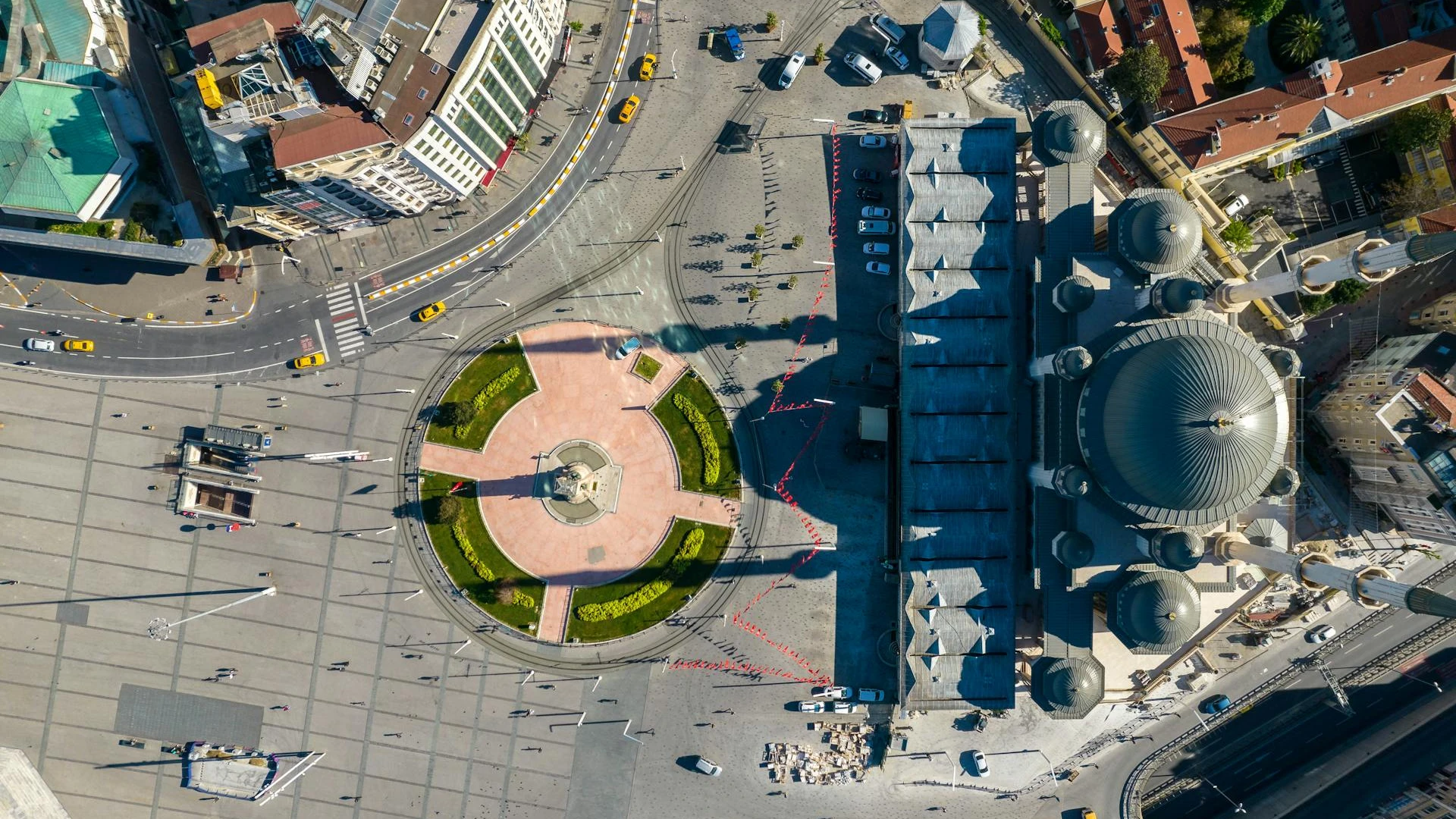
Taksim Square, Istanbul’s most iconic square, symbolizes modernity, culture, and public life. At its center, the Republic Monument, designed by Pietro Canonica in 1928, honors the Turkish Republic’s founding, featuring Mustafa Kemal Atatürk, İsmet İnönü, and Fevzi Çakmak. A site of national celebrations and civic gatherings, Taksim also hosts cultural landmarks like the Cumhuriyet Museum, the newly built Taksim Mosque, and the Atatürk Cultural Center. As the gateway to Istiklal Avenue, with its historic tramways, cafés, and theaters, Taksim Meydanı remains the vibrant heart of Istanbul, where history and modernity converge.
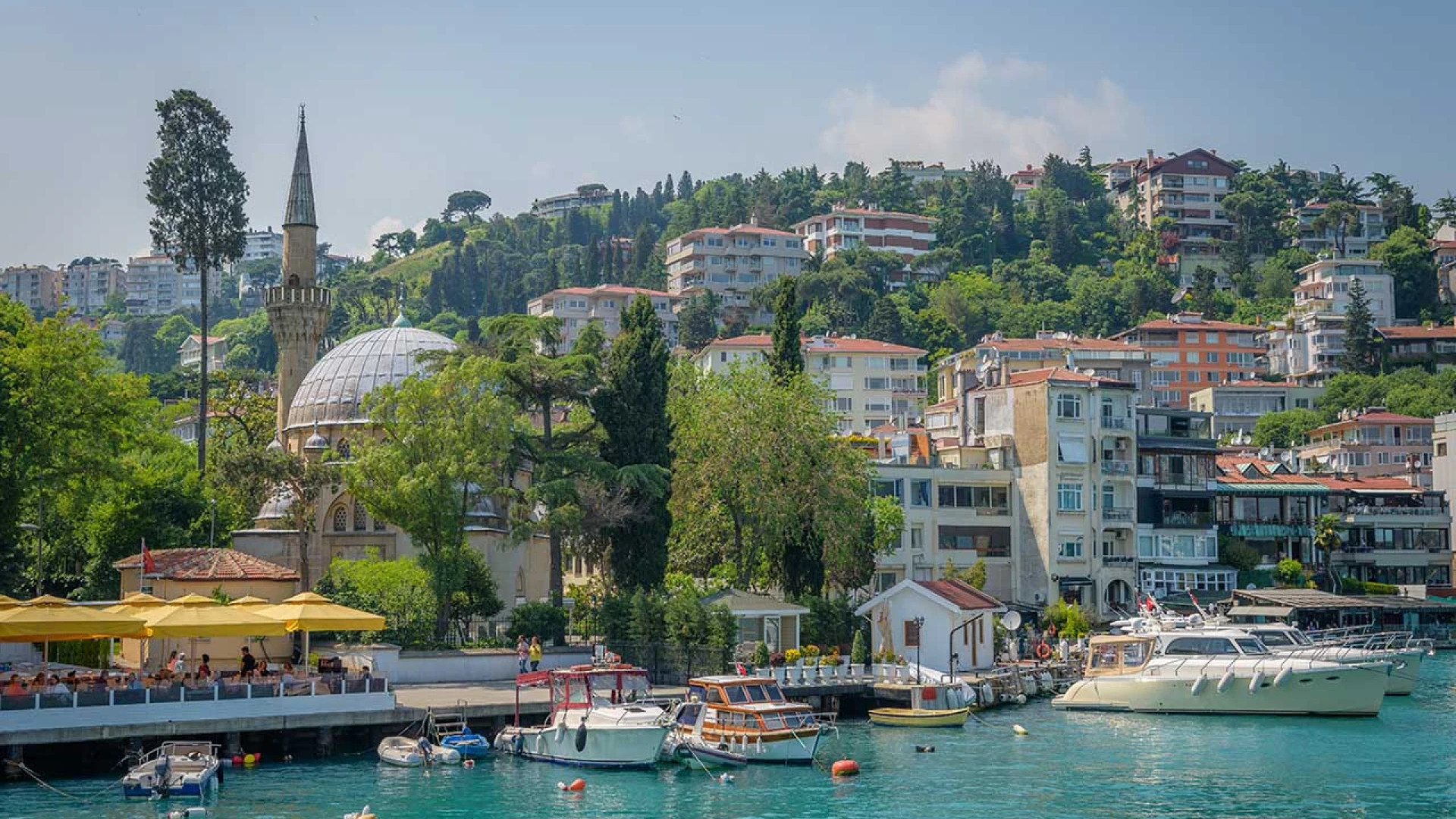
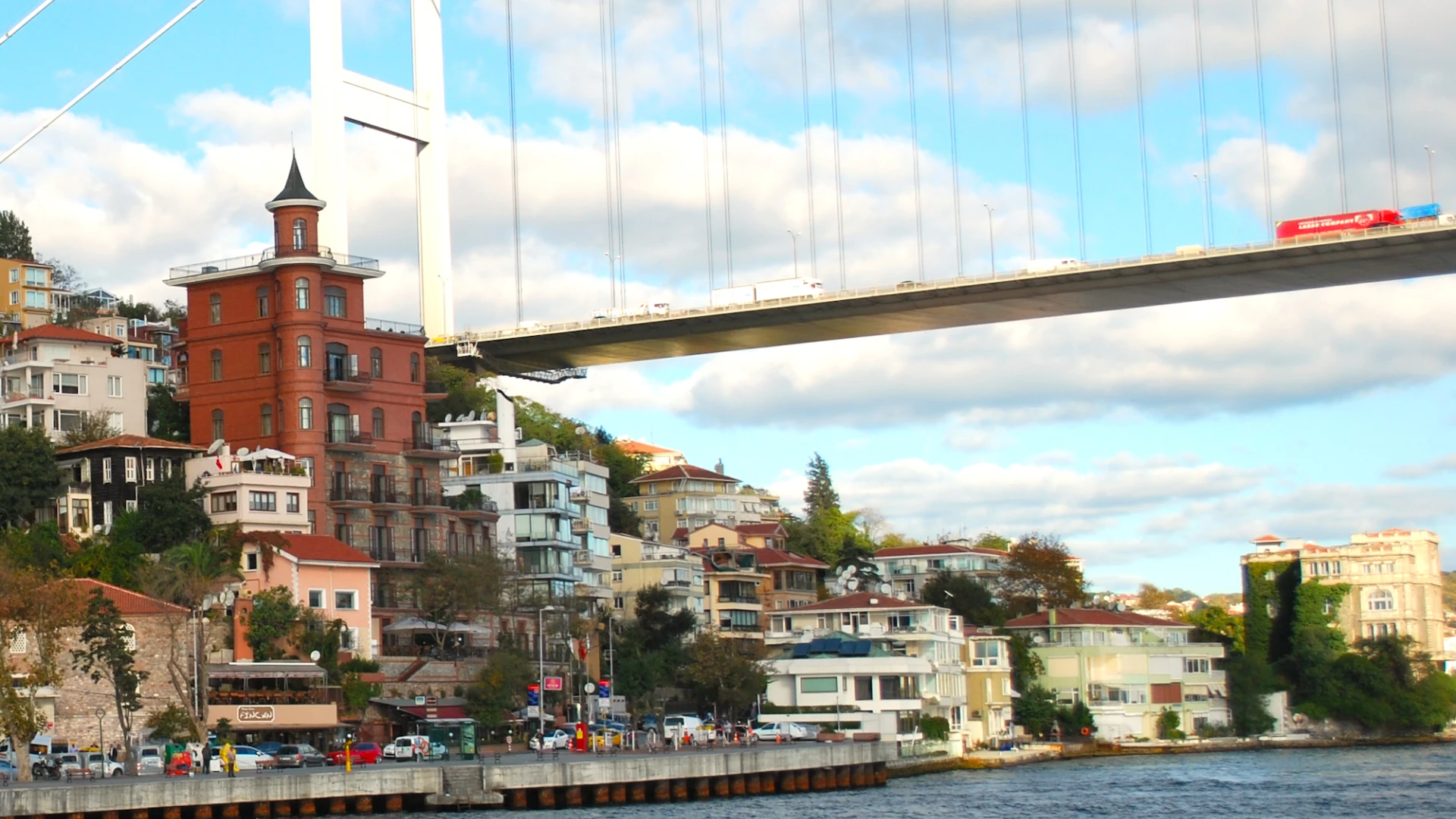
Located in one of Istanbul’s most upscale neighborhoods, Bebek Coast is a picturesque coastal promenade offering stunning Bosphorus views, a lively atmosphere, and a perfect blend of nature and city life. Popular among locals and tourists alike, this waterfront area is ideal for leisurely walks, jogging, or simply relaxing by the sea while watching the passing ferries and yachts. The well-maintained pathways, lined with lush trees and benches, provide a peaceful retreat for those looking to enjoy the serenity of the Bosphorus. Beyond its natural beauty, Bebek is home to historic mansions and embassies, including the Egyptian Consulate, a striking building once used as the summer residence of the Khedive of Egypt. Nearby, you’ll also find Boğaziçi University, one of Turkey’s most prestigious academic institutions, housed in a campus with breathtaking sea views. Bebek’s vibrant social scene includes seaside cafés, renowned seafood restaurants, and high-end boutiques, making it a favorite spot for both leisurely brunches and elegant evening outings. Whether you're here to sip Turkish coffee at a waterfront café, take a morning run, or explore the area's rich history, Bebek Coast offers a delightful mix of culture, relaxation, and scenic charm.
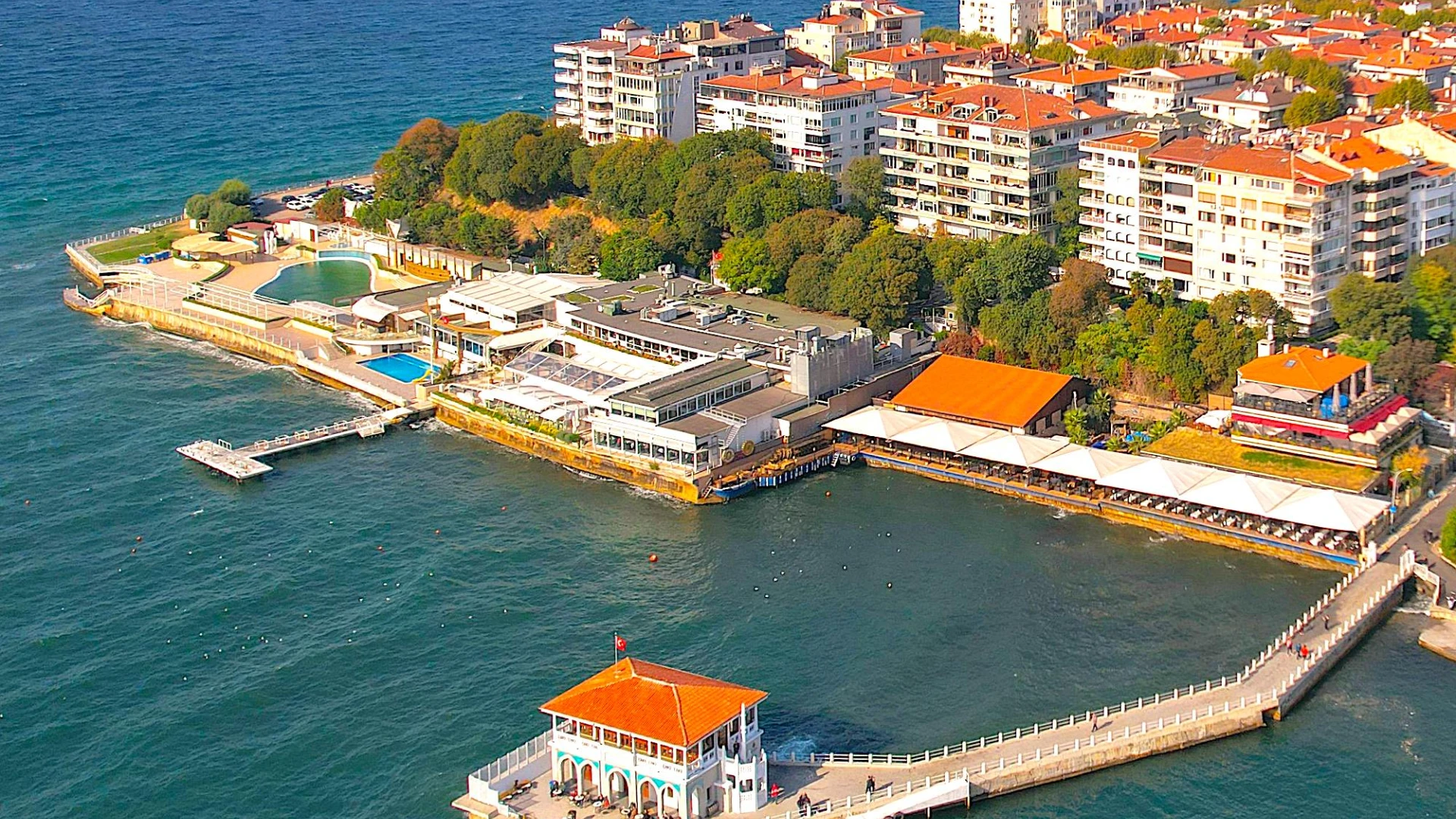
Moda Pier, a historic maritime landmark on the Kadıköy coast, was built in the 1930s during the First National Architecture movement, reflecting a blend of Ottoman and early Republican-era influences. While once an active ferry terminal, today it serves as a cultural and recreational space, offering a scenic seaside retreat. Visitors can enjoy panoramic Marmara Sea views, sip tea at the pier café, or watch ferries drift across the horizon, making it a beloved gathering spot in Kadıköy.
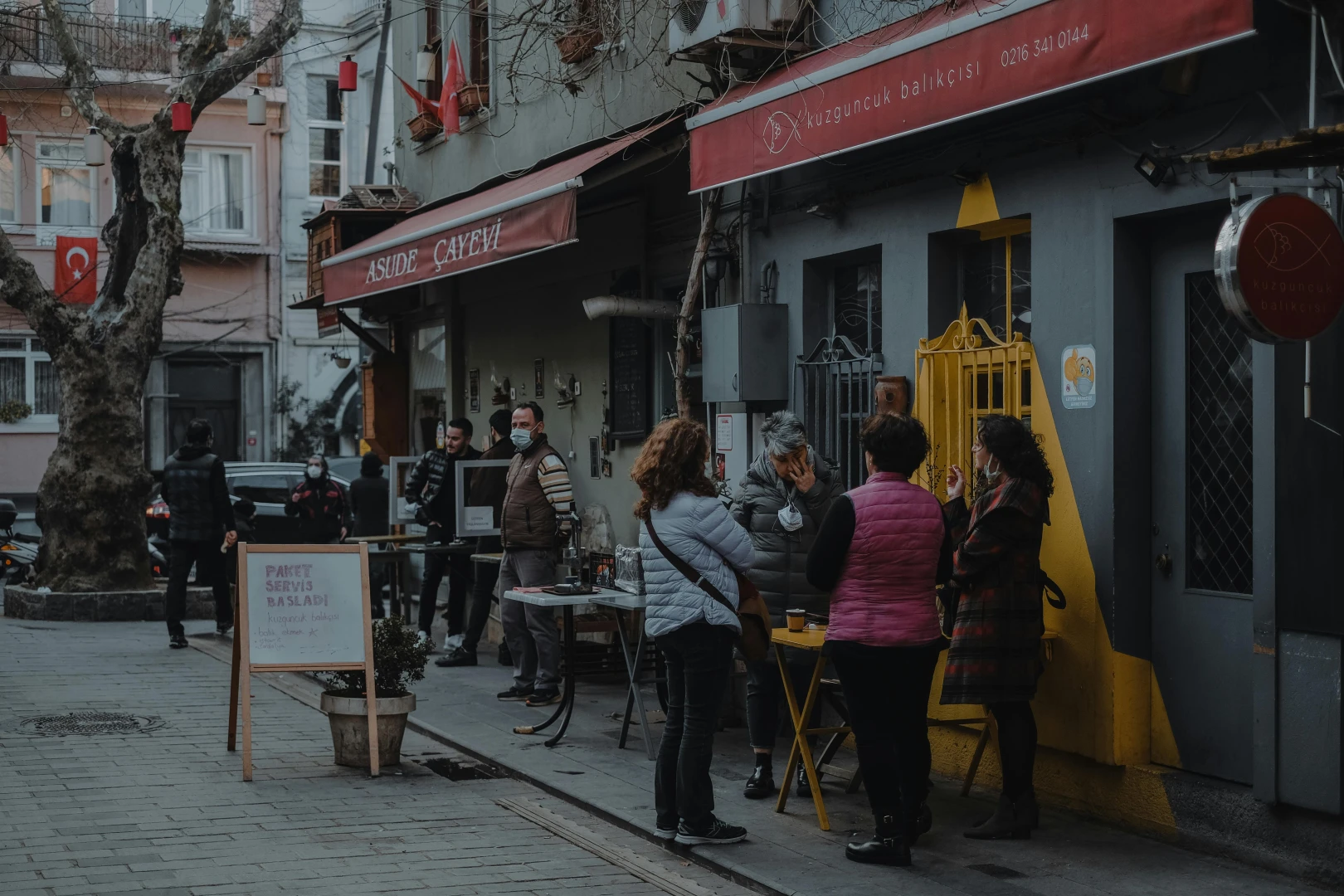
Kuzguncuk Bazaar is a charming and lively district on the Asian side of Istanbul, known for its multicultural heritage, colorful houses, and artistic atmosphere. Once home to a diverse community of Jews, Greeks, Armenians, and Turks, the neighborhood preserves its historic synagogues, churches, and mosques standing side by side. The market street is lined with boutique shops, artisan bakeries, and cozy cafés, offering a perfect blend of tradition and modern creativity. Visitors can explore local craft stores, taste homemade jams and pastries, or simply enjoy a leisurely walk under the shade of century-old trees. With its nostalgic ambiance and community spirit, Kuzguncuk Bazaar offers a unique glimpse into Istanbul’s diverse cultural fabric.
Make your Istanbul journey truly unforgettable with our licensed, professional local guides. From hidden gems to iconic landmarks, our experts provide personalized experiences that bring the city's history to life. If you would rather explore independently with skip-the-line tickets and an audio guide, see the Istanbul History Pass.
Find the perfect guide matching your language, interests, and budget through our smart guide finder system.
Verified reviews and professional profiles ensure you receive the highest quality service for your private or group tours.


Meet our experienced and professional guides who know Istanbul best.








Read our users' experiences and evaluations.
Signup for New Offers & Updates from Cogito Istanbul