
Contents


Istanbul (formerly Constaninople) was a capital city for Romans and Ottomans for more than 1500 years. That explains a lot about the reason why there are so many palaces in the city. Yet, how can you start your own itinerary?
Which Palace Should I Visit?
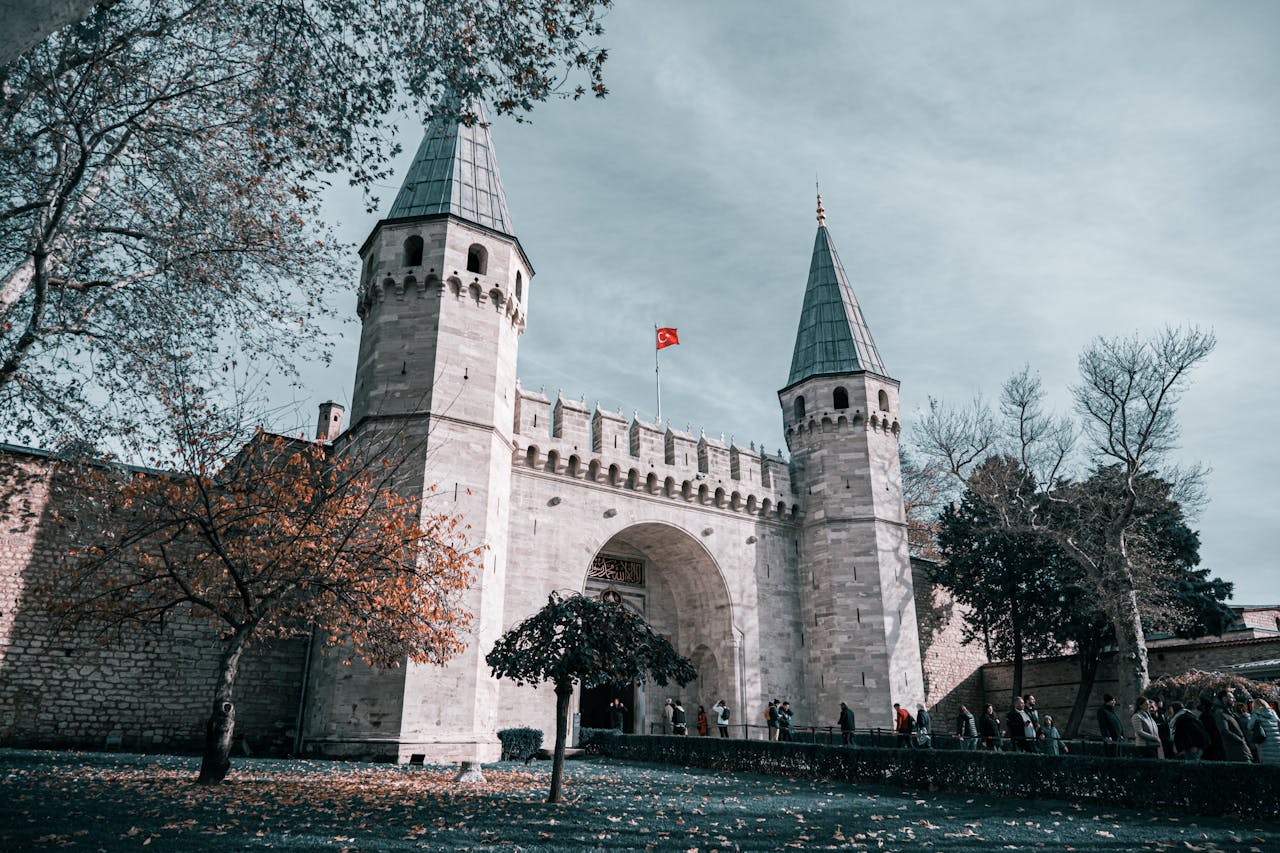
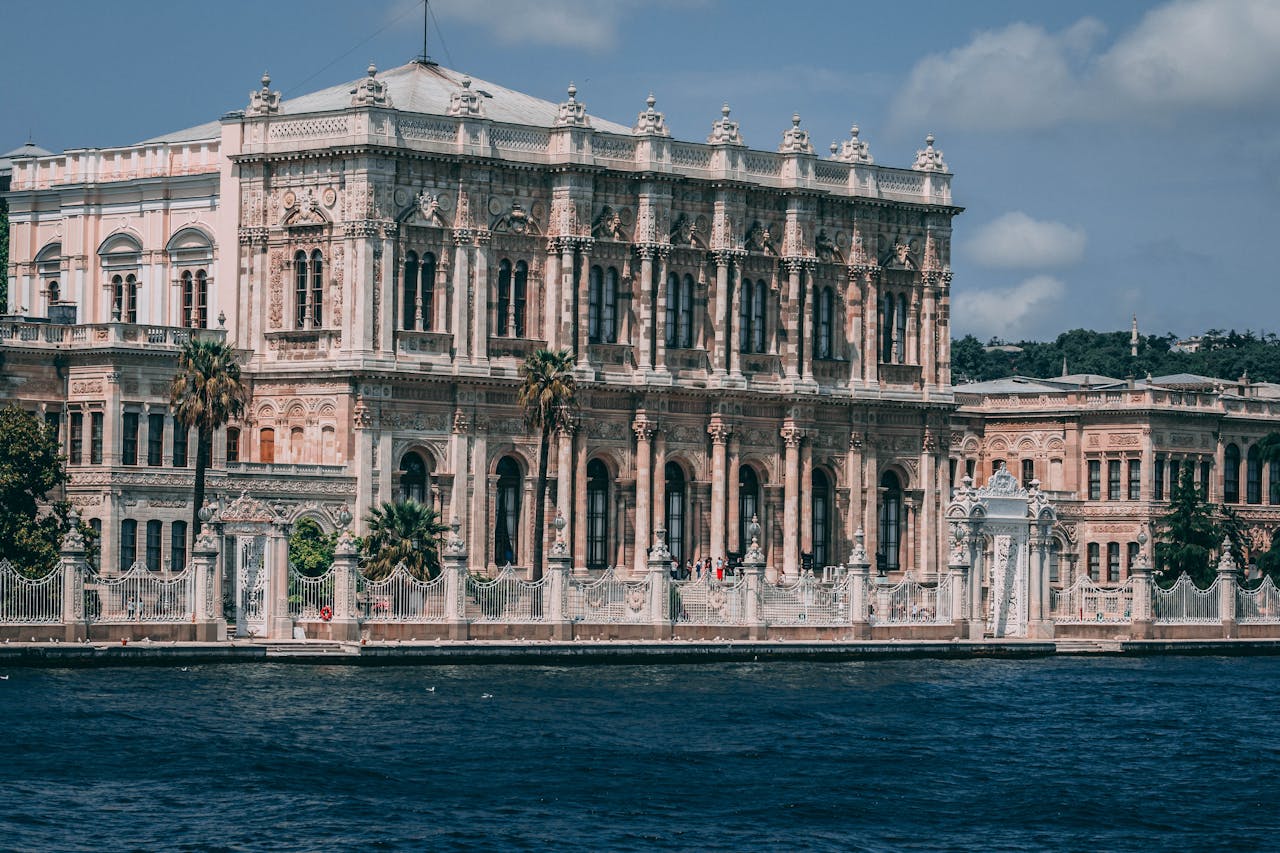
Most travelers know Topkapı and Dolmabahçe, yet they are only part of a much larger imperial story. Scattered across the Historic Peninsula and the Bosphorus are palaces where Byzantine emperors and Ottoman sultans ruled, welcomed foreign monarchs, and shaped the course of history. Each tells a different story through its architecture, location, and the lives of the rulers who once called it home. Click on the links below the table for each palace to learn more about their stories.
| Palace | Best For |
|---|---|
| Topkapı Palace | Classical Ottoman architecture and Islamic sacred relics |
| Dolmabahçe Palace | Ottoman Baroque with luxury interiors overlooking to the Bosphorus |
| Beylerbeyi Palace | An alternative for staying outside of the crowd with great Bosphorus view |
| Yıldız Palace | The final years of the Ottoman empire with an imperial park |
| Küçüksu Palace | A Bosphorus stop for elegant architecture and photography |
Constantinople: Byzantine Palaces
The story begins long before the Ottomans arrived. The historic peninsula had already served as the political center of the Eastern Roman (Byzantine) Empire for more than a thousand years. Byzantine emperors ruled from the nearby Great Palace of Constantinople, an immense ceremonial complex extending between Hagia Sophia and the Sea of Marmara. Although little of the palace survives today, visitors can still discover traces of this imperial landscape at the Great Palace Mosaic Museum and the recently restored Bukoleon Palace, whose monumental marble façade once greeted emperors arriving by sea.
Why did Sultans Keep Building New Palaces?
Instead of ruling from a single residence for centuries, Ottoman sultans built new palaces to reflect changing political priorities, lifestyles, and architectural tastes. Topkapı Palace served as the empire's administrative and ceremonial center after the conquest of Constantinople, but by the nineteenth century its medieval layout no longer matched the image the empire wished to project.
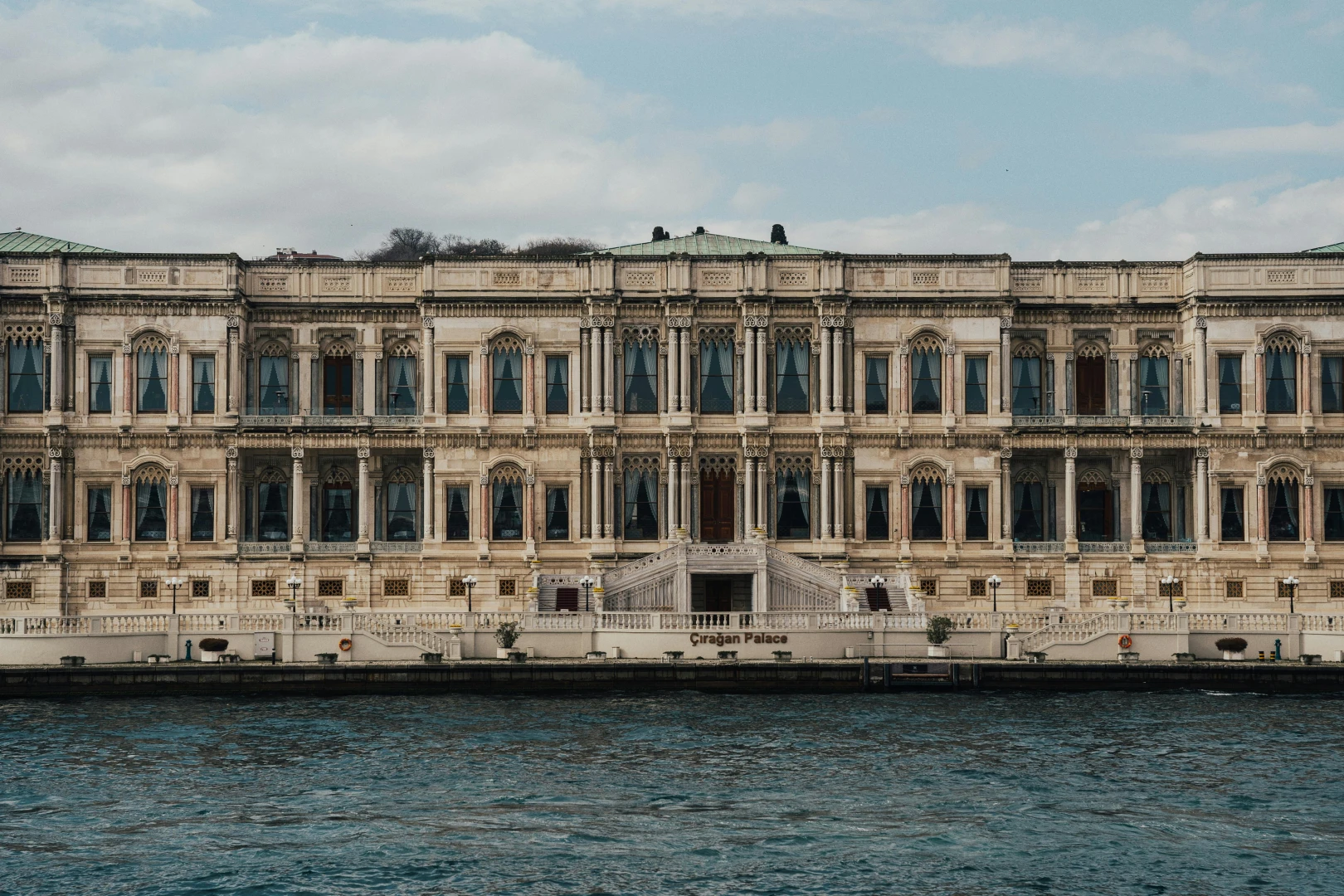
As the empire evolved, so did its palaces. By the nineteenth century, Ottoman rulers sought residences that reflected new political ambitions and closer relations with Europe. The result was a remarkable collection of waterfront palaces along the Bosphorus. Seeking to present the Ottoman state as a modern European power, Sultan Abdülmecid I commissioned Dolmabahçe Palace, a residence inspired by Baroque, Rococo, and Neoclassical architecture. Later rulers preferred the greater privacy and security of Yıldız Palace, while Beylerbeyi Palace became a luxurious summer residence overlooking the Bosphorus. Çırağan Palace, once an imperial residence, now stands as one of Istanbul's most iconic luxury hotels overlooking the Bosphorus. Rather than replacing one another, these palaces illustrate how the Ottomans adapted to nearly five centuries of political, cultural, and diplomatic change.
Curious about architecture and stories about palaces in Istanbul? Then check out our recent blog posts.