
Topkapı Palace
A royal world of power, secrets, and treasures.
🗓️ Book Now
Step Into the Heart of the Ottoman Empire
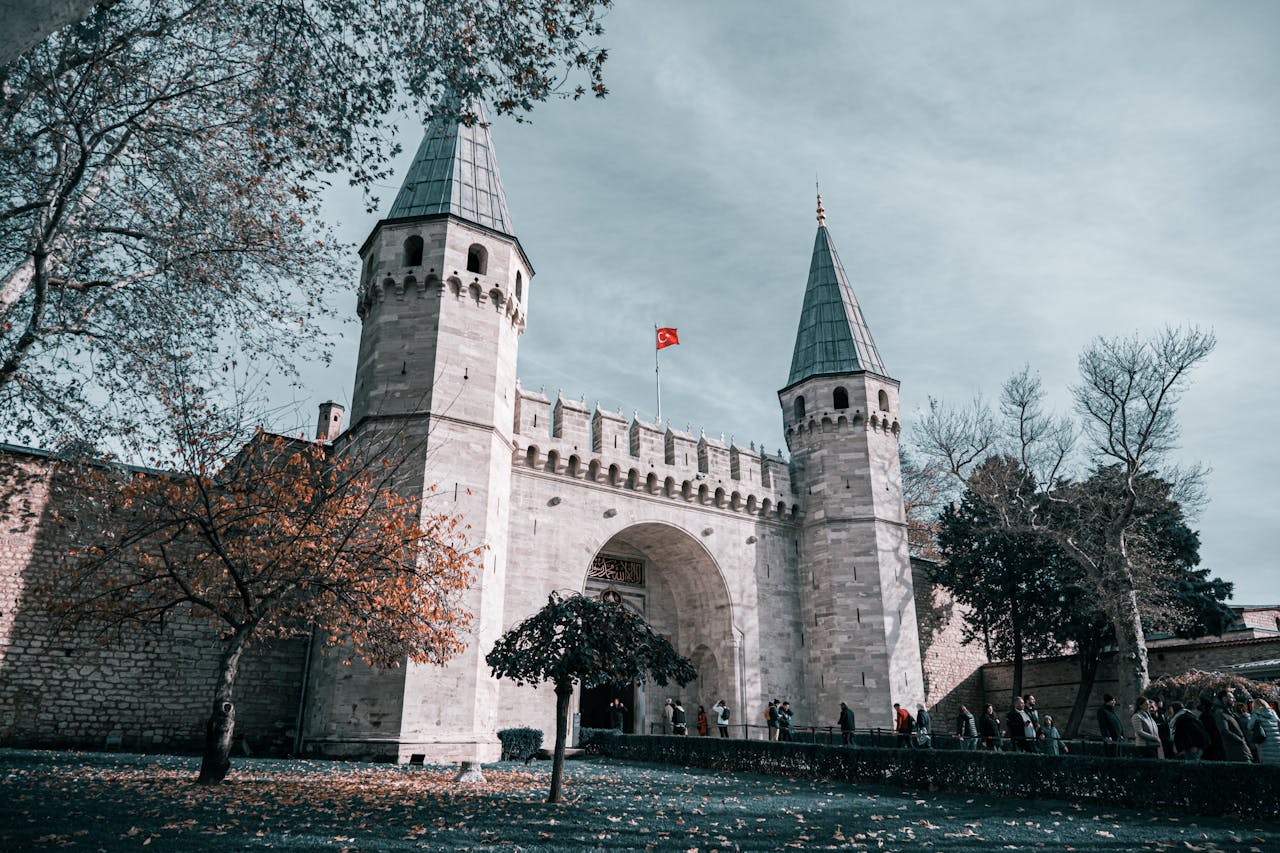
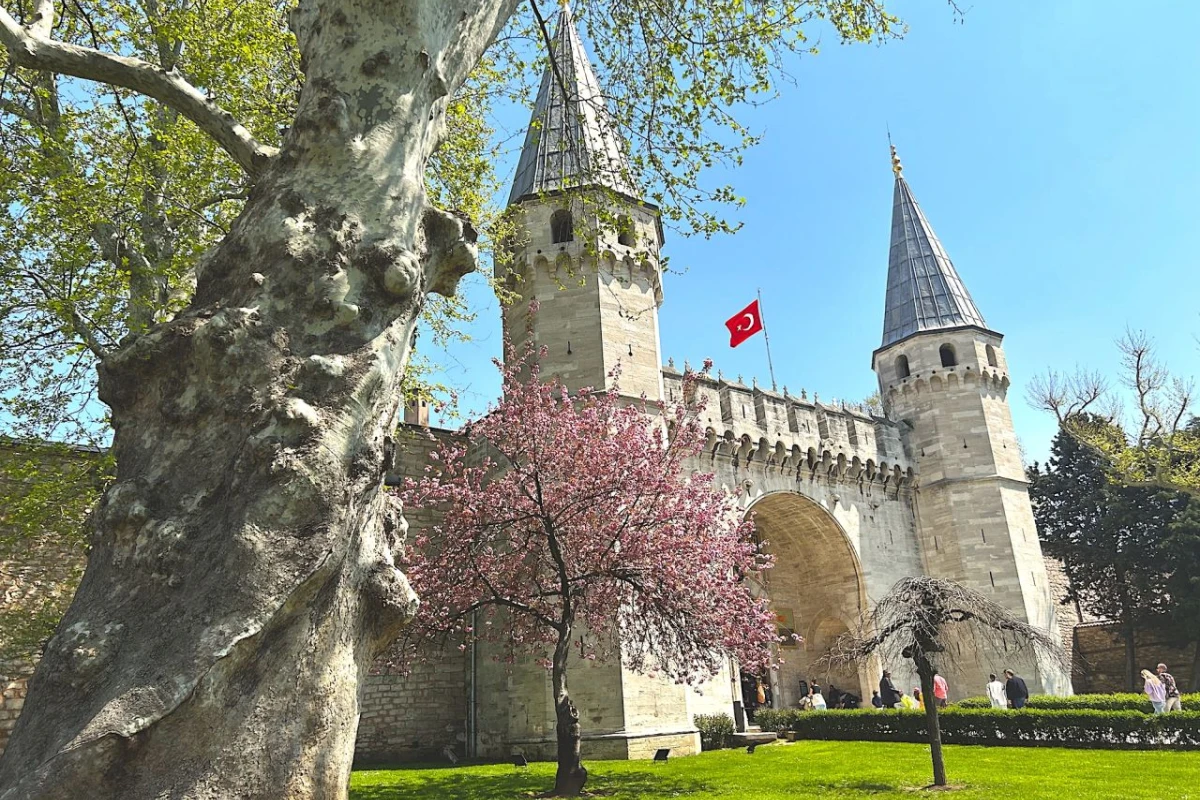
Just behind Hagia Sophia, through a grand stone gate, begins one of Istanbul’s most fascinating journeys. For over 400 years, Topkapı Palace was the center of the Ottoman Empire—a place where emperors ruled, royal families lived, and world-changing decisions were made.
Walking through its gardens and courtyards, you’ll feel like you’ve entered a different world—full of history, beauty, and mystery.
What You’ll Discover Inside the Topkapı Palace of Museum
The First Courtyard: This is the outermost courtyard of the palace, and it is free admission. It hosts the key buildings such as the Hagia Irene Church and Imperial Mint. In the First Courtyard, foreign ambassadors were deliberately left waiting under the open sky for hours—sometimes in the cold, sometimes under the blazing sun.But this wasn't a mistake.It was Ottoman diplomatic theater. The goal? To psychologically unnerve foreign envoys before they entered the Second Courtyard for formal negotiations.
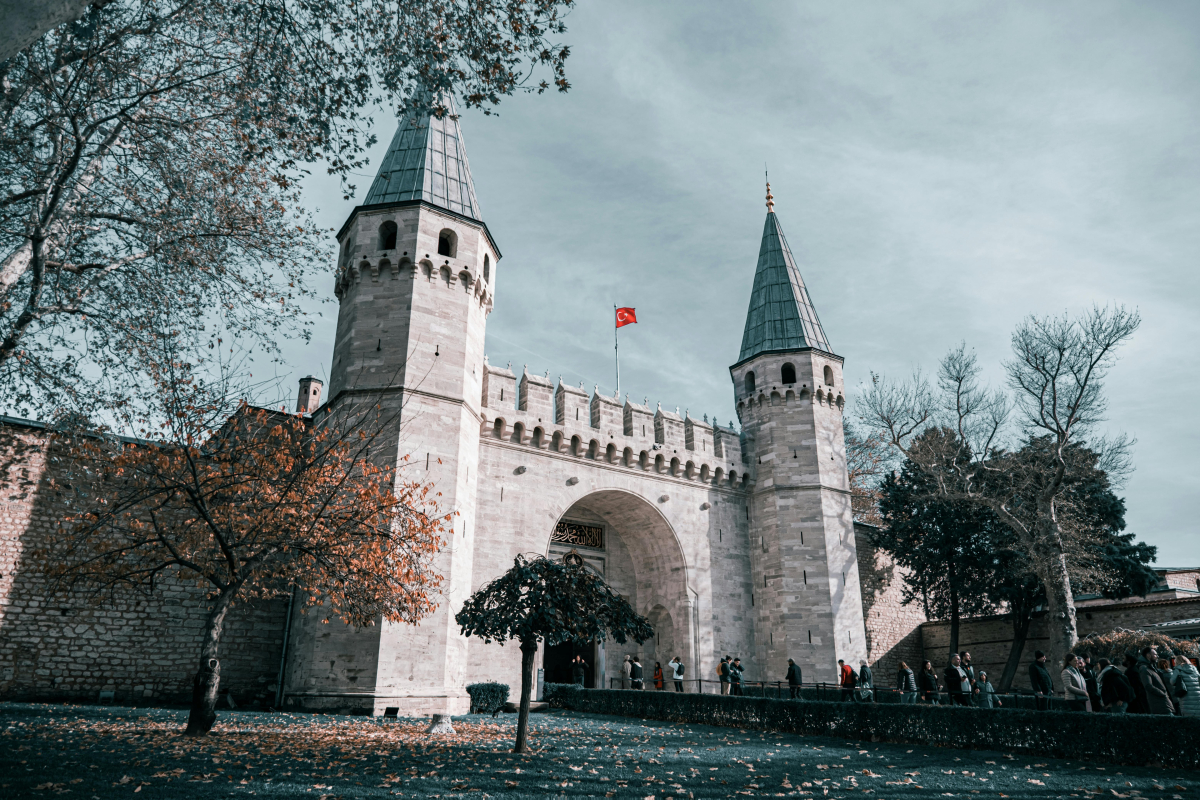 Bab-üs Selam (Second Gate)
The Justice Tower (Adalet Kulesi)
Positioned directly above the Imperial Council Hall (Divan-ı Hümayun) and facing the Second Courtyard (Enderun Avlusu), the tower's placement is deliberate. It towers over the palace complex not for military observation or royal grandeur, but to send a clear message: in the Ottoman Empire, justice was supreme. The grandeur of the tower is the most visible point of the palace, allowing even those outside the walls to recognize its symbolism.
Imperial Council Hall (Divan)
This is where the sultan’s top advisors met to discuss war, peace, and everything in between. The room is elegant but serious, just like the decisions made here. At the entrance, the Imperial Gate (Bab-ı Hümayun) welcomes you with its grand architecture. In fact, sultans passed through this gate only for religious and coronation holidays.
The Harem of the Topkapi Palace
A maze of rooms where the royal family and women of the court lived. It’s quiet, rich in color, and full of stories of love, politics, and palace life.
Hürrem Sultan, once a Christian slave, broke 300 years of Ottoman tradition by becoming the legal wife of Sultan Suleiman the Magnificent and gaining immense political power. She orchestrated the downfall and execution of Şehzade Mustafa to secure the throne for her son. Her rise in the palace changed the course of the empire and strengthened the power of the Harem.
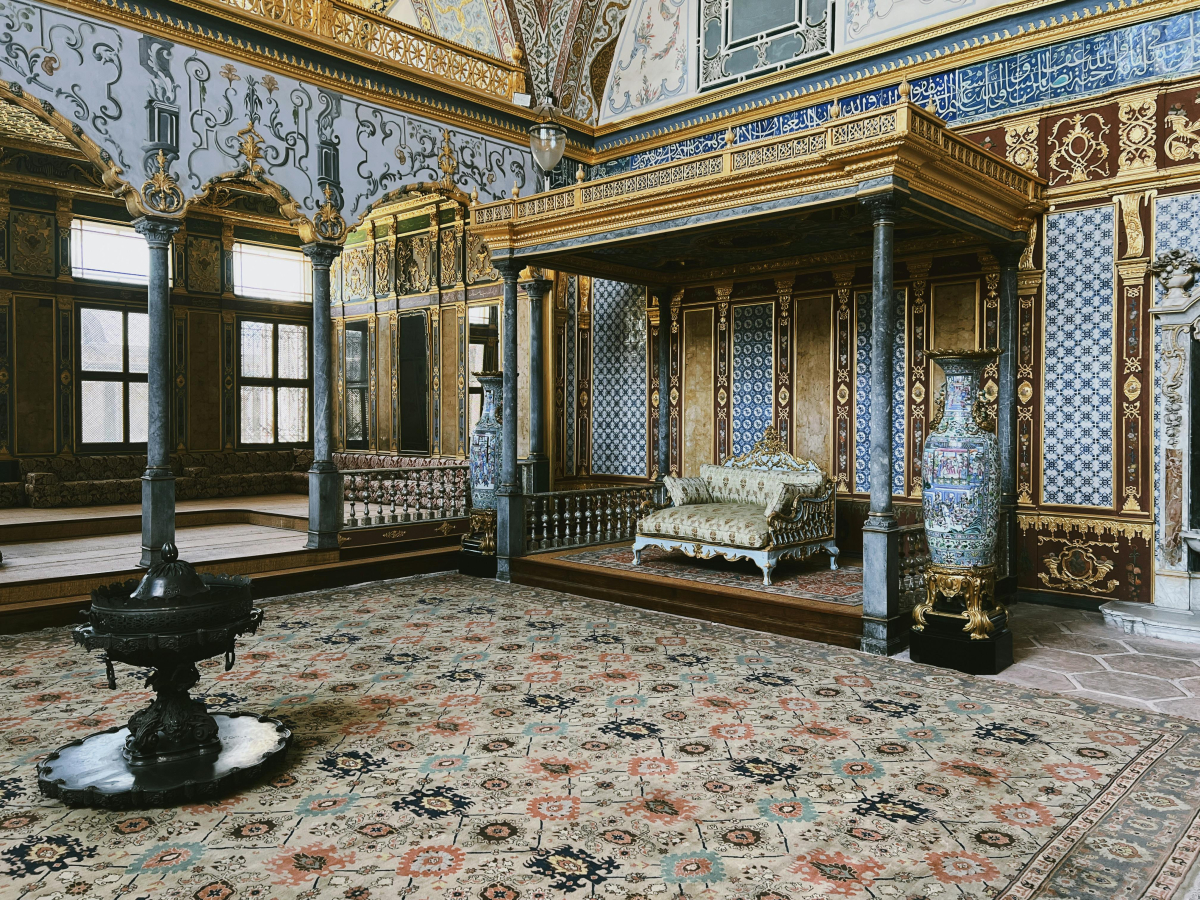 Imperial Ottoman throne room in Topkapı Palace, Harem Section.
The Treasury
Home to jaw-dropping objects like the Spoonmaker’s Diamond (one of the largest diamonds in the world) and the Topkapı Dagger, decorated with giant emeralds. In the late 18th century, it was made for the Shah of Persia, but he was assassinated before it arrived. The dagger stayed in Istanbul and became a symbol of Ottoman wealth. Many tried to steal it, unsuccessfully.
Holy Relics of Islam
The palace houses sacred relics of the Muslim world, including the cloak and sword of the Prophet Muhammad and the staff of Moses. For centuries, a Quran reciter read 24/7 beside these relics. During WWI, when the empire crumbled, some officers wanted to smuggle the relics abroad. One devout guard reportedly risked his life to hide them and preserve their sanctity.
Another significant relic is the Sacred Banner of Muhammad, Sancak-ı Şerif. It is claimed as the banner of Muhammed used by him or from his era. When Sultan Mehmed III won the Battle of Eger in the late 16th century, it became a symbol of victory in the Ottoman Empire.
How to Visit the Topkapı Palace in Istanbul
📍 Entrance: Come through the Imperial Gate just behind Hagia Sophia. From there, you’ll pass through four large courtyards, each one leading deeper into the palace.
🏛️ Layout Tip: Walk through the gardens of the Topkapi Palace until the end where you can see the terrace of the sultans looking over Bosphorus, then according to the time you have choose the collections and all around the courtyards. The most famous ones are the treasury, holy relics of Islam, Divan and the entire Harem Section of the Topkapi Palace.
Visitor Information for Topkapı Palace
🕒 Hours: Open from 09:00 to 18:00, closed on Tuesdays
🎟️ Tickets: As of June 1st 2025, the basic ticket price from the official ticket office is declared to be 2400 TL.
💡 Museum Pass: It is included but the coverage of the card might not be found sufficient because of not including other top sights like the Basilica Cistern or Hagia Sophia.
A Palace Full of Secrets and Splendor
Topkapı Palace isn’t just a museum—it’s a living memory of sultans, queens, soldiers, and scholars. While walking through its doors, you’re stepping into real stories that shaped empires. Whether it’s the sparkle of the jewels, the silence of the Harem, or the sacred air in the relics room, this palace leaves a mark on everyone who visits.
You can book a reservation with the most affordable prices from here.