Planning a trip to Istanbul (or anywhere else) is now simpler than ever. Many travelers use AI tools like ChatGPT, Gemini, or Claude to create itineraries, find restaurants, and learn about famous sights. What used to take hours of research can now be done in seconds. However, having a detailed itinerary on your screen does not always guarantee a great day exploring the city.
AI is an excellent travel planning tool. It can suggest attractions, compare neighborhoods, and help you organize your schedule. Yet, it cannot fully understand a city’s rhythm, adapt to surprising situations, or replace the experience of a tour guide who knows Istanbul firsthand.
In this blog, you’ll learn how to write better AI prompts to plan your Istanbul trip. You’ll also discover the places where AI falls short, so you’ll know when to rely on technology and when it’s best to turn to a local tour guide for a truly memorable experience.
Part 1: How to Get Better Results from AI
The quality of an AI response depends on the quality of any prompt. A few extra details can turn a generic answer into a personal travel plan. These three steps are critical to get a better response.
1. Give AI a Role
Begin by telling the AI what role it should take. Should it be a local tour guide, a travel agent, a food expert, or a historian? Giving the AI a role changes how it answers and what details it includes.
❌ Weak prompt
Tell me about the historical places in Sultanahmet.
✅ Better prompt
Act as a licensed Istanbul tour guide specializing in Byzantine and Ottoman history. Explain the historical importance of Sultanahmet Square and Hippodrome in a way that is engaging, easy to understand, and includes details that first-time visitors often miss.
2. Provide Context
AI can’t guess what you’re thinking. If you leave out key details, it will make assumptions to fill in the blanks.
Include information such as:
Context
Keywords
👥 Your Travel Group
Solo, family, couple, friends, colleagues, pet
📆 Number of Days
Daily, weekend trip, three days
💰Your Budget
Affordable, mid-range or luxury
🚊Your Preferred Transportation
Car, tram, metro, ferry or on foot
🏛️Your Interests
Byzantine history, Ottoman architecture
🏃➡️Your Walking Capacity
Accessible to a wheelchair, moderate-paced walking
🌯Food Preferences
Vegan, vegetarian, kosher, halal, gluten-free
The more information you share, the more helpful the recommendations will be. Only share details you feel comfortable providing, and avoid including sensitive personal information such as full names or financial data. If privacy is important to you, consider using general descriptions instead of specific ones when writing a prompt.
❌ Weak prompt
Suggest some places to eat in Istanbul.
✅ Better prompt
I’m visiting Istanbul for four days with my partner/family/pet. We’re staying near Sultanahmet/Galata/Kadıköy, love historic architecture/nature and authentic Turkish food, and prefer local restaurants. Our budget is around [your budget] per person, and we’re comfortable walking up to 15 minutes between attractions. Suggest restaurants having gluten-free options.
3. Clearly Describe the Task
Don’t simply ask AI to “make an itinerary.” Tell it exactly what you want.
Use action words such as group, prioritize, compare, rank, categorize, or map. This helps AI organize its response to match your exact needs.
❌ Weak prompt
Make me a three-day itinerary for Istanbul.
✅ Better prompt
Create a three-day itinerary for Istanbul. Group attractions by neighborhood to reduce travel time. Prioritize history and local food experiences, include one hour of free time every afternoon, and recommend the best transportation between locations.
Better prompts lead to better itineraries, but even the best-written prompt has its limits. This brings us to the next important question: when is AI not enough, and where does human expertise make the difference?
Part 2: Where AI Still Falls Short
1. It Can’t Always Keep Up with Real Life
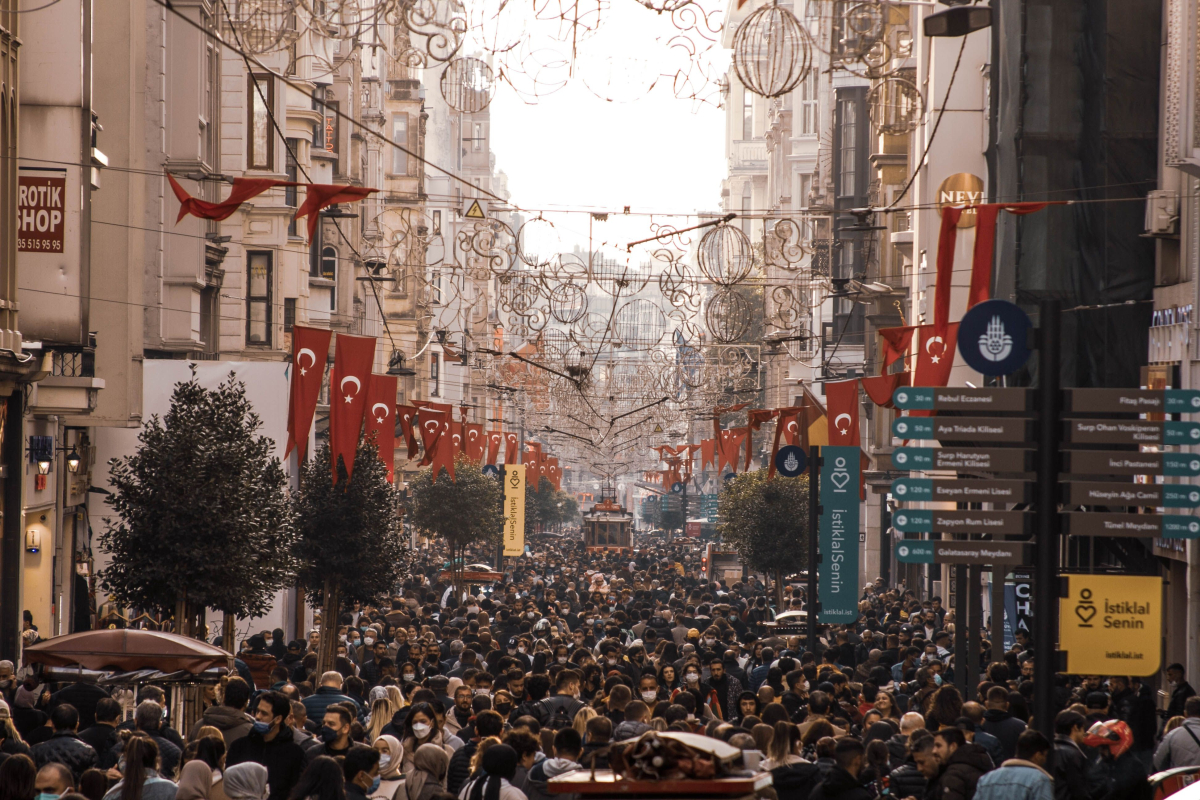
Cities change every day, and Istanbul is no exception.
A museum may close for restoration, a ferry may be delayed because of bad weather, or a local festival may make a normally quiet neighborhood much busier than expected.
Traffic is another challenge. A taxi ride from Sultanahmet to Galata might take 20 minutes in the morning but over an hour during evening rush hour. AI can recommend a route, but it cannot always predict what you’ll experience when you arrive.
Before following an AI-generated itinerary, it’s always worth checking opening hours, transportation updates, and local news. To make sure your information is accurate, consult official museum and attraction websites, use city transportation apps like Istanbulkart, and check for updates on local news sites or the Istanbul Metropolitan Municipality website. For restaurant choices, look at recent reviews on trusted platforms such as Google Maps or Tripadvisor. This way, you can catch changes or closures that AI might have missed and enjoy a smoother trip.
2. It Doesn’t Understand Istanbul Like a Local
AI understands maps, but it doesn’t truly understand what it’s like to move through the city.
Istanbul is built on hills and connected by ferries, trams, metro lines, and narrow streets. Two attractions may appear close together on a map, yet the walk between them can be surprisingly challenging.
For example, walking from Karaköy to Galata Tower involves a steep uphill climb that many first-time visitors underestimate, especially during the summer. A local guide might recommend taking the historic Tünel funicular or choosing a shaded route instead.
These small decisions can make your day far more enjoyable.
3. Personalization Depends on What You Share
AI only knows what you tell it.
If you want a truly personalized itinerary, you’ll need to share details such as your budget, interests, hotel location, walking limits, travel companions, and transportation preferences.
Some travelers are happy to provide this information. Others prefer to keep certain data private. Finding the right balance is a personal choice.
4. AI Can’t Guess Your Hidden Needs
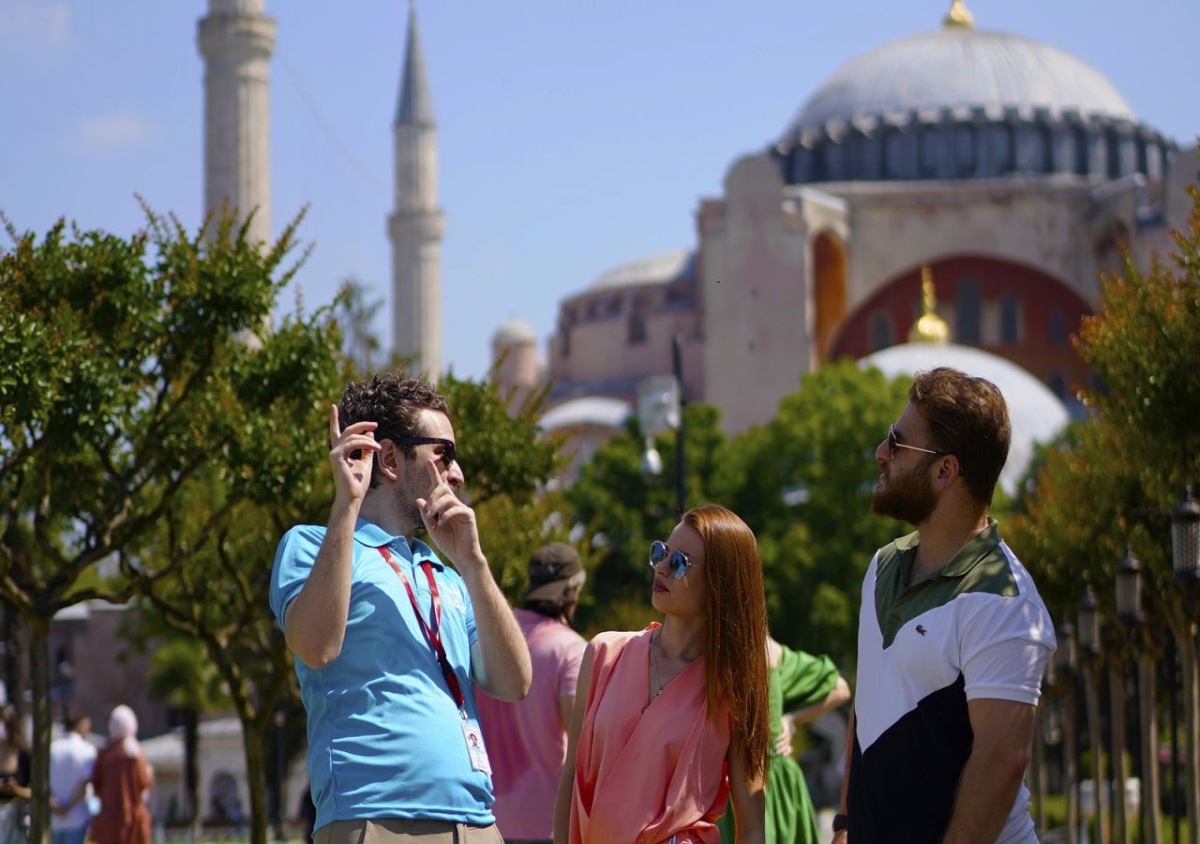
Experienced tour guides naturally plan around people, not simply places.
They know when it’s time for a coffee break, where to find clean restrooms, and how much sightseeing most visitors can comfortably fit into one day.
AI, on the other hand, may schedule museums, markets, and attractions back-to-back without leaving enough time to relax, enjoy lunch, or simply sit by the Bosphorus and take in the view.
An itinerary that looks efficient on paper can quickly become exhausting.
5. AI Sometimes Gets Things Wrong (Pretty Much)
AI is designed to generate helpful answers, but it is not perfect.
It can recommend a restaurant that has permanently closed, provide outdated opening hours, confuse historical facts, or even invent information that sounds believable.
For this reason, always verify important details such as ticket prices, opening hours, transportation schedules, and reservation requirements before your trip.
As we’ve seen, while AI can be a powerful partner in planning your trip, it’s not infallible. That’s why combining AI with real, local expertise gives you the best of both worlds.
Final Thoughts
AI has become an excellent tool for planning a trip, including Istanbul. It can organize information, compare attractions, and help you build a personalized itinerary in minutes. Writing better prompts will almost always lead to better recommendations.
At the same time, AI has clear limits. It cannot fully understand the atmosphere of a neighborhood, adjust your plans when something unexpected happens, or know which small local café serves the best breakfast after a morning at Topkapı Palace. Those insights come from experience, not algorithms.
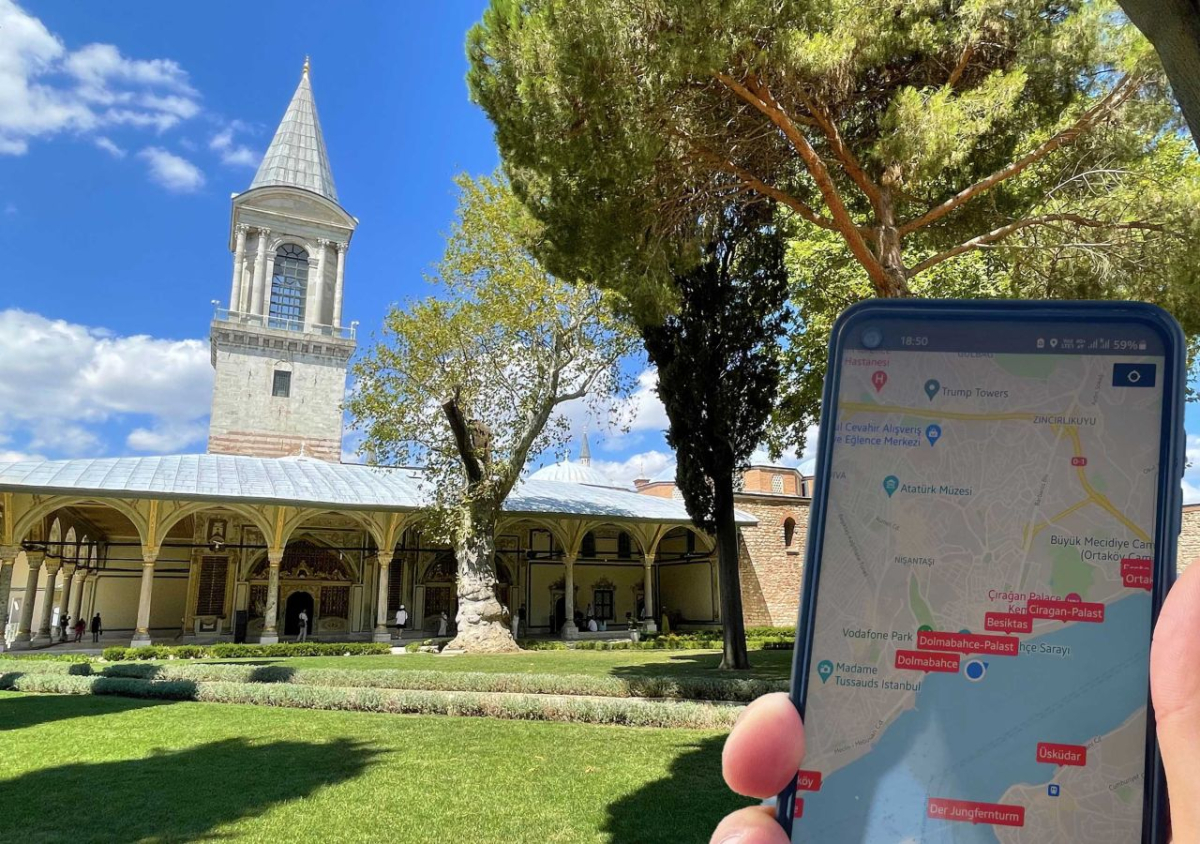
The best method is to use both. Let AI help you organize your ideas and build the first version of your itinerary. Then refine that plan with up-to-date local advice from our tour guides. And now, take your travel planning one step further with our Istanbul City Guide app: available in 9 languages on both Google Play and the App Store. Access up-to-date attractions, insider tips, self-guided walking tours, and essential local information right from your phone.
Ready to make the most of your visit? Start by using AI to shape your plans, then reach out to our experienced local guides for personalized recommendations and insider tips. Book a guided tour with us to discover the hidden gems of Istanbul that even the smartest AI can't reveal. Your adventure is just a conversation away: Download our app or contact us today to create an unforgettable Istanbul experience.