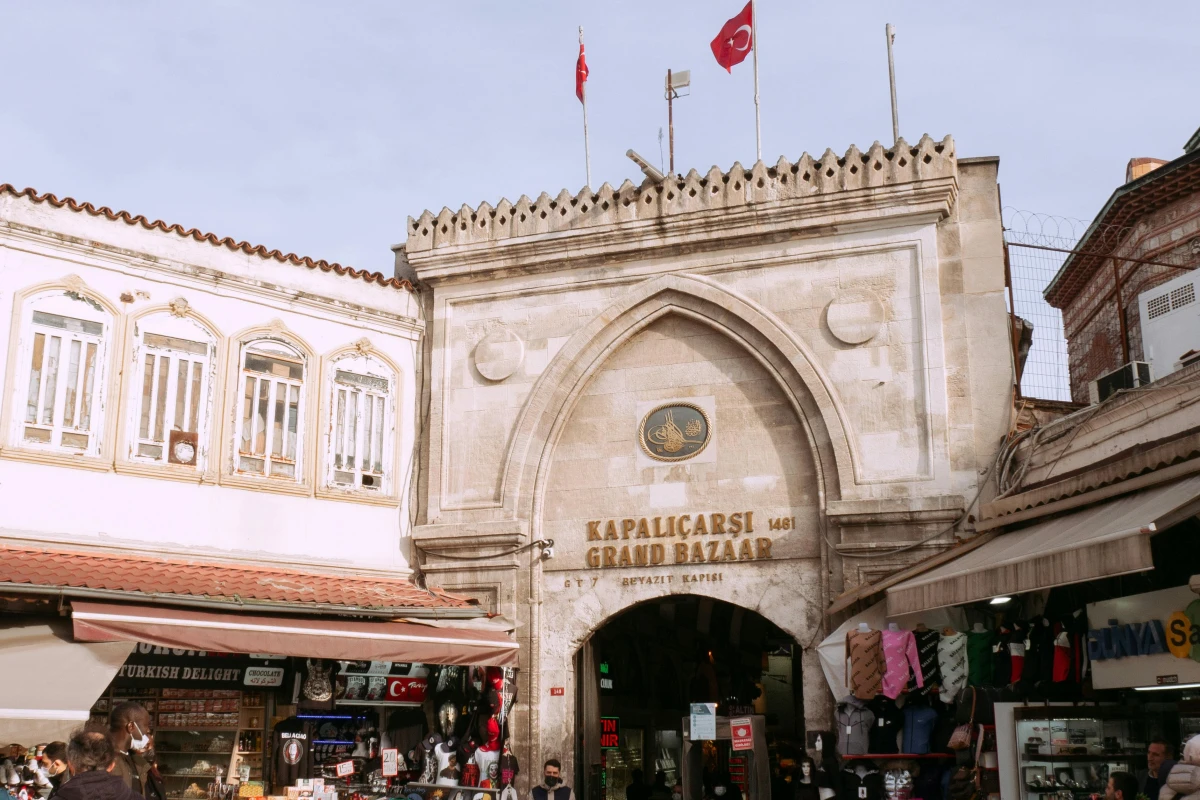

Why has the Grand Bazaar (Kapalı Çarşı) remained a financial center at the heart of Istanbul for more than five centuries? Few places in the world have survived such dramatic change while keeping the original purpose. Pretty long and wild history: It has witnessed the rise and decline of the Ottoman Empire, shifting global trade routes from Mediterranean to the Atlantic Ocean, devastating fires, earthquakes, a World War, and a fierce competition with modern shopping malls in Istanbul. Yet its streets continue to attract merchants, craftsmen, and millions of visitors each year.
The remarkable success of the bazaar is no coincidence. Location, architecture and the generous support of the sultans boosted the trade and city life in an area that currently hosts more than 4,000 shops. Standing at the crossroads of the civilizations, Istanbul inherited the Roman and Byzantine heritage of trade. Ottomans developed the level of trade by transforming this place into a center of commercial hub and major gateway to Europe.
1- Location
"Location, location, location." The famous saying is usually associated with real estate, but it also explains why the Grand Bazaar stands where it does today. Long before its domes and vaulted streets were built, this part of Istanbul had already become one of the world's great crossroads of trade in Roman times: a jackpot for a bazaar.
Architecture begins with the landscape. The terrain shapes a place as much as the buildings that occupy it. Set on Istanbul's Historic Peninsula, the Grand Bazaar occupies a strategic position between the Golden Horn and the Sea of Marmara, where the city's main routes naturally converge.
Its greatest advantage, however, was its connection to the wider world. For centuries, Constantinople served as the western gateway of the Silk Road, linking the wealth of China, Central Asia, and the Middle East with the markets of Europe. Silk, spices, porcelain, precious stones, and countless other goods arrived by caravan and ship before continuing their journey across the continent. The nearby ports turned the city into one of the Mediterranean's busiest trading hubs, while the surrounding streets became the heart of commercial life.
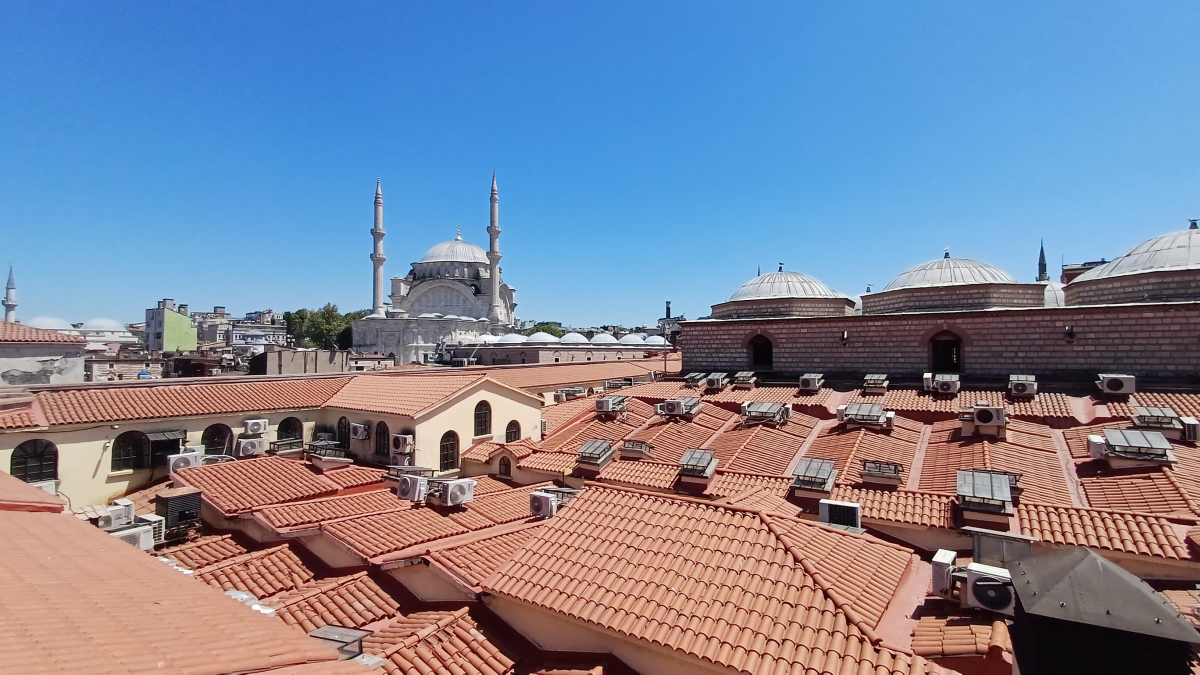
When the Ottomans conquered Constantinople in 1453, they inherited this thriving network rather than creating it from scratch. Sultan Mehmed II reinforced the district's commercial importance by building the Cevahir Bedesten at its center, allowing the Grand Bazaar to grow upon foundations that had already connected continents for centuries. Once the bazaar was roofed over, voilà; it got its current name in Turkish: Kapalı Çarşı (Covered Bazaar).
Walking through the Grand Bazaar today, you are following the paths once taken by merchants traveling between East and West. The caravans have disappeared, but the city's role as a bridge between cultures, and between Asia and Europe, remains unmistakable.
2- Architecture
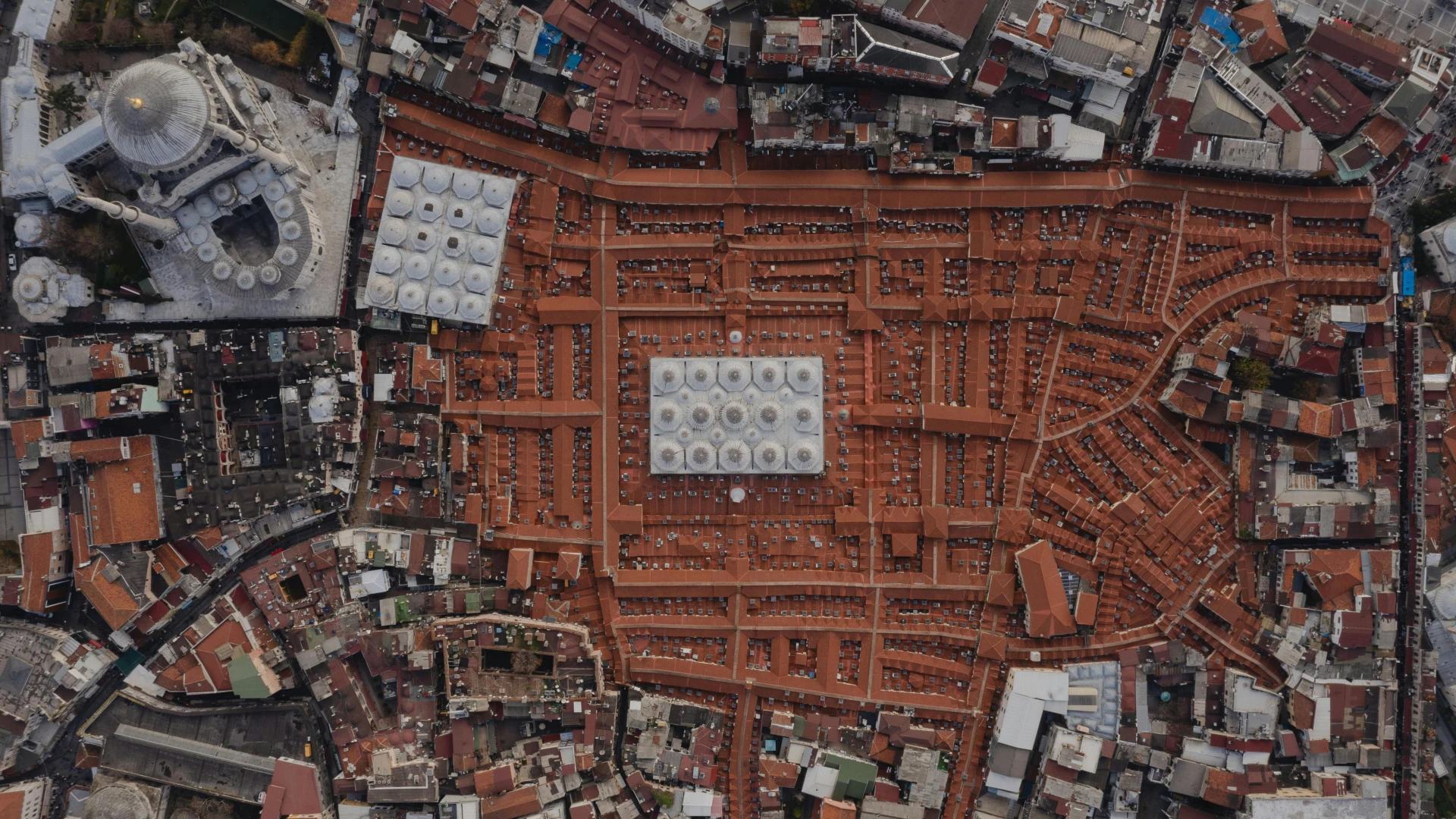
The Turkish word çarşı (bazaar) is thought to derive from the Persian words for "four" and "sides," referring to the four main entrances that traditionally led into the Bedesten: the secure, domed heart of the bazaar. From this central point, streets branched outward, creating the maze-like marketplace that still defines Istanbul's Grand Bazaar today.
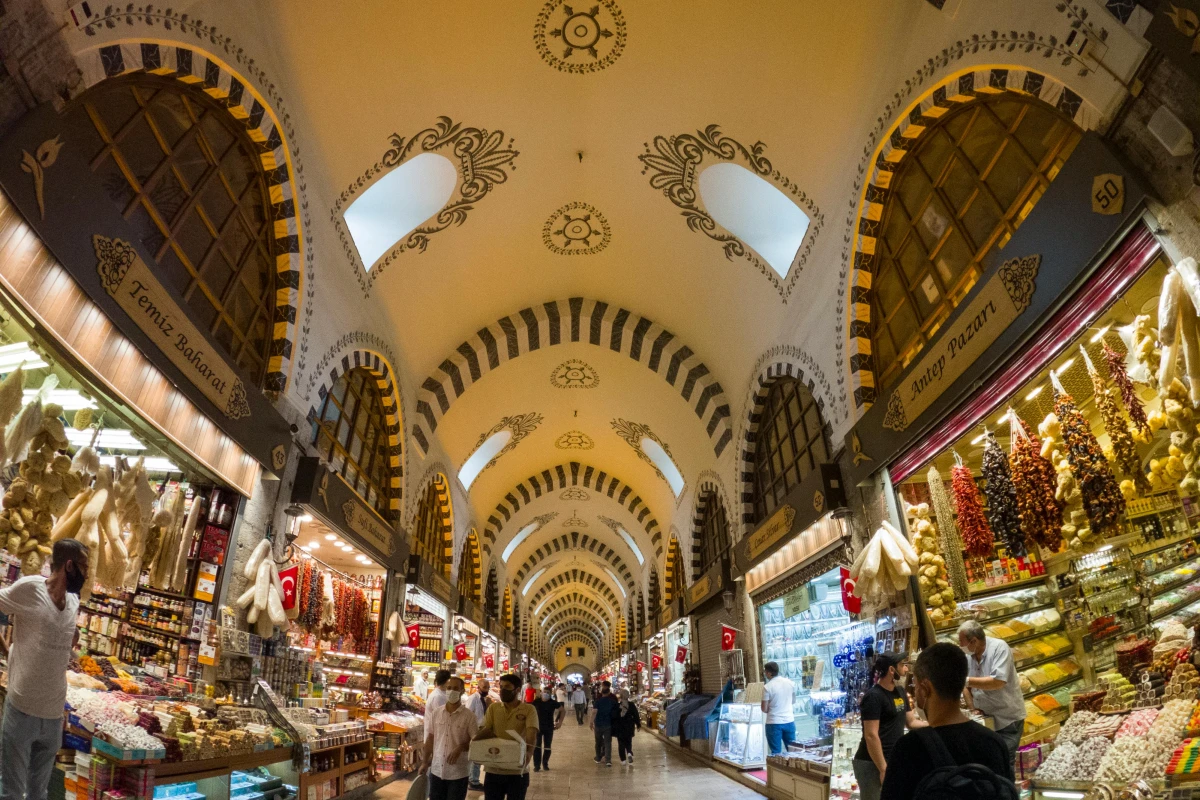
Lining these streets are dükkâns (shops), whose open-front design blurs the boundary between the merchant and the passerby. Without display windows, customers could immediately see, touch, and inspect the goods: a simple but effective feature that encourages trust and trade among people.
This is what makes the Grand Bazaar more than a shopping destination. As the Italian author Edmondo de Amicis wrote in the late 18th century, it is a city within a city: a network of interconnected streets where every lane specializes in a different craft such as Capmakers (Kalpakçılar) or Carpet Sellers (Halıcılar). Walking through it feels like moving between markets, hans, cafés, and restaurants all at once, with every turn revealing another corridor, another workshop, and another story.
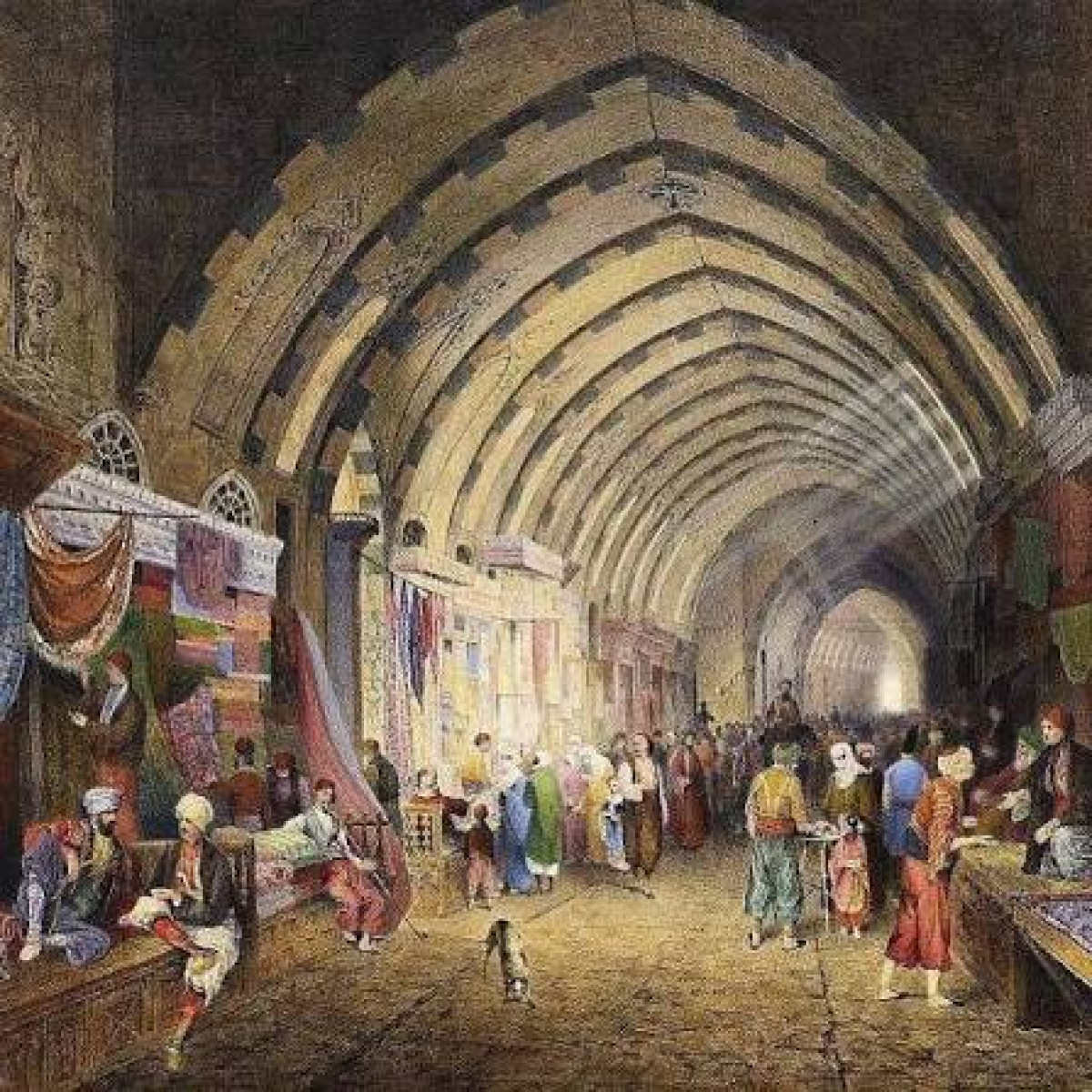
The layout of Istanbul's historic bazaars was no accident: it reflected the value of the goods being traded. At the heart stood the Bedesten, a heavily built, secure hall where precious items from international trade were bought and sold. Surrounding it were the Hans, where merchants stored and traded regional goods such as silk, cotton, wheat, and salt. Farther out, streets lined with workshops and shops sold locally made crafts, fresh produce, and everyday essentials, while open marketplaces occupied the edges of the commercial district.
This layered arrangement created a clear commercial hierarchy: the more valuable the goods, the closer they were to the Bedesten. But the bazaar's form was shaped by more than trade alone. Roads, city gates, the Friday mosque, the terrain, and even nearby rivers all influenced its layout. As a result, every Ottoman bazaar followed the same basic principles while developing a character unique to its city. Walking through Istanbul's historic bazaar today is, in many ways, walking through the logic of a centuries-old trading system. (Akar, 2024).
3- Politics of Ottoman Empire
The Grand Bazaar was not built by chance. It reflected the Ottoman vision of transforming Istanbul into the empire's commercial and cultural center. After conquering Constantinople in 1453, Sultan Mehmed II invited Turkish, Greek, Armenian, and Jewish communities to settle in the city, bringing together skilled merchants and artisans from across the empire. His goal was not only to revive the economy but also to encourage cooperation among different communities, allowing them to exchange knowledge, skills, and traditions. (İnalcık, 1994)
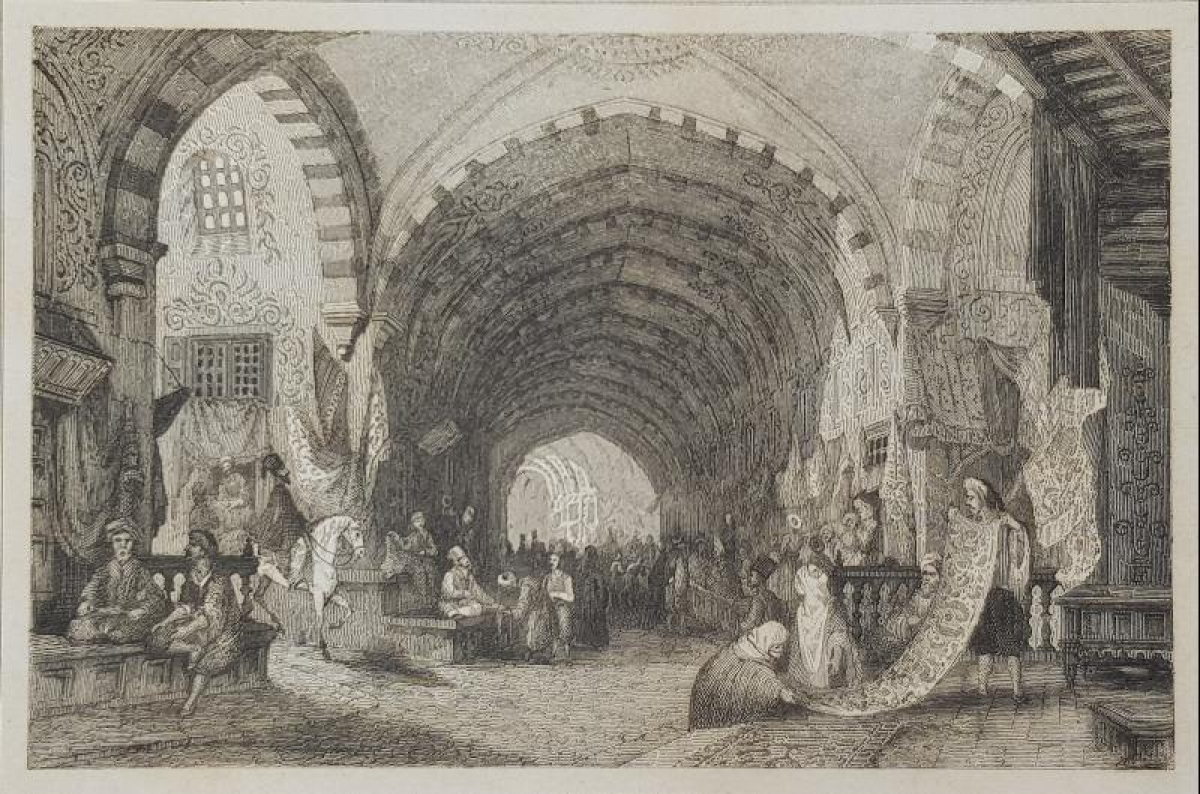
This spirit of exchange still defines the Grand Bazaar today. More than a marketplace, it became a meeting place where commerce and culture developed side by side. As merchants traded goods, they also shared ideas, techniques, and customs, shaping the cosmopolitan character that has made Istanbul one of the world's great trading cities for centuries.
4- The Center of Gold Trade
A first-time visitor to Istanbul may step into the Grand Bazaar expecting to wander around antique shops, fabric merchants, or colorful carpet stores. Yet for Turks, the bazaar represents something far more significant: Gold trade.
Turks do not buy gold simply because they admire its beauty or enjoy showing off with them on a family dinner. For generations, they have relied on gold as one of the country's most trusted ways to preserve their wealth and years of work. At the heart of this tradition stands the Grand Bazaar, the most important gold market. Even today, when the Central Bank needs to increase its gold reserves, it turns to the dealers in the Grand Bazaar. Together, the hundreds of gold shops hidden within its narrow streets hold an estimated quarter of Turkey's privately owned gold. As a result, traders across the country still look to the Grand Bazaar when setting the price of physical gold.
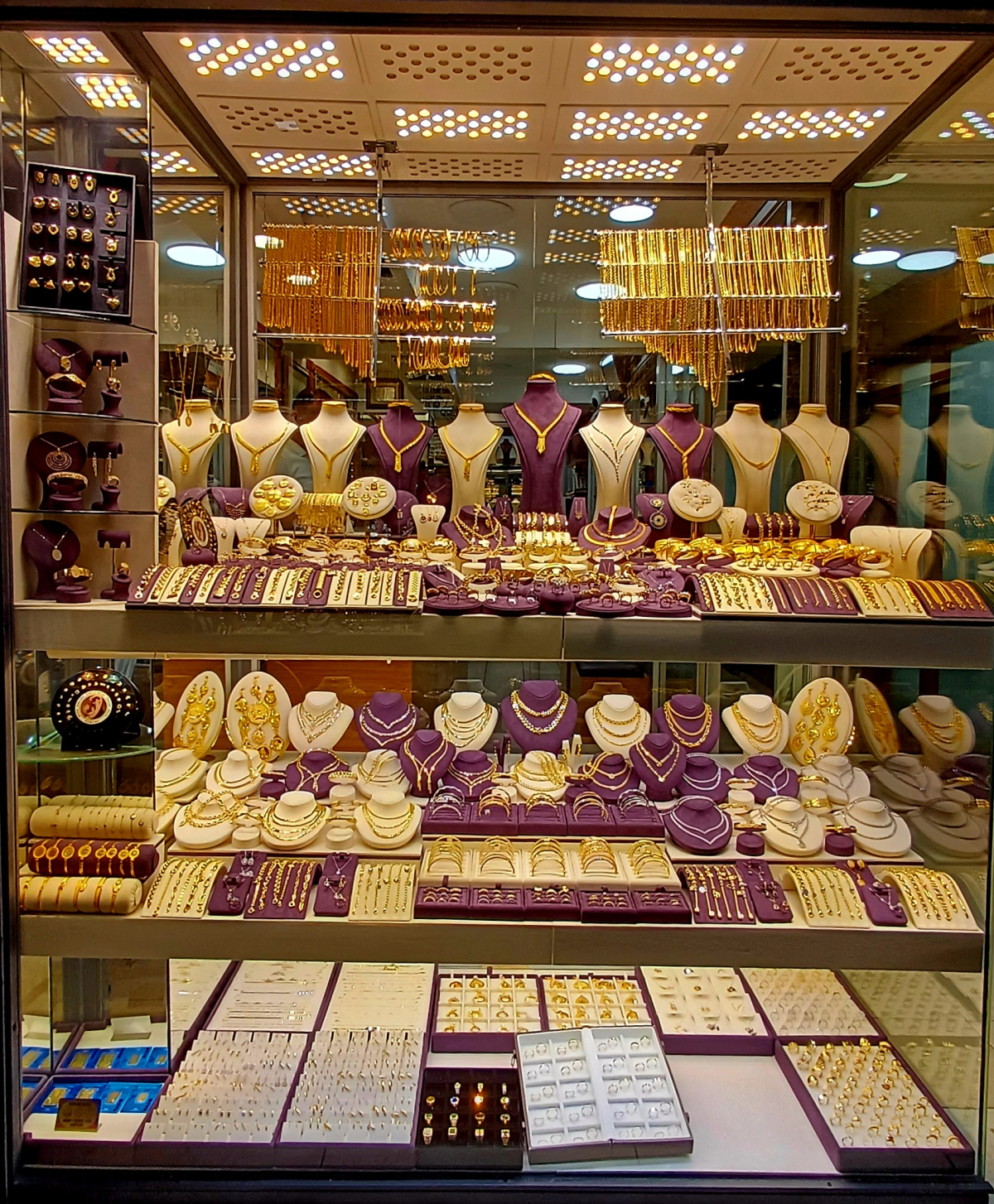
For Turks, however, gold means much more than an investment or a commodity. It plays a central role in family life and major celebrations. Families give gold coins as gifts at weddings, celebrations for newborn babies, and boys' circumcision ceremonies. This tradition does more than celebrate an important milestone: It also creates an informal system of social and financial support, especially for women.
For generations, many women in Türkiye dedicated themselves to unpaid household work and earned little or no independent income. Gold jewelry and gold coins that family members and guests gave them became personal savings that they could own and control. During periods of high inflation or economic uncertainty, these savings helped families protect their purchasing power and gave women greater financial security. That is why many Turkish parents still insist on telling their children, "Buy a quarter gold coin whenever you can. It's the best way to save."
In Türkiye, gold (and the Grand Bazaar) does more than symbolize wealth. It preserves savings, strengthens family ties, and quietly passes financial support from one generation to the next.
REFERENCES
Akar, T. (2024). Ottoman Bazaars in Anatolia and the Balkans. Prostor. https://doi.org/10.31522/p.32.1(67).12
Amicis, ED. (1877). Constantinople. Croydon: CPI Group, 2010, p. 53.
Cezar, M. (1983). Typical Commercial Buildings of the Ottoman Classical Period and The Ottoman Construction System. İstanbul: Türkiye İş Bankası Cultural Publications.
Işın, E. (2008). Everyday Life in İstanbul. İstanbul: Yapı Kredi Publications.
İnalcık, H. (1994). An Economic and Social History of the Ottoman Empire. Cambridge: Cambridge University Press.
Demirel, E., & Goudarzi, S. M. (2023). Prospective Aspect of Topography: The Example of The Grand Bazaar (Kapalı Çarşı) in Istanbul. Iconarp International J. of Architecture and Planning. https://doi.org/10.15320/iconarp.2023.240