
Turkish coffee is more than just a drink; it’s a centuries-old ritual that brings people together. Often called a conversation starter, it has long played a role in strengthening social bonds. As the Turkish saying goes,
“A cup of coffee is remembered for forty years.”
The Turkish coffee has a breathtaking history that parallels societal change, and let’s explore it in detail!
Introduction of Coffee from Yemen to the Spice Bazaar
Coffee first arrived in Istanbul at the Spice Bazaar during the reign of Sultan Suleiman the Magnificent, carried from Yemen through the Red Sea trade routes. In 1555, two Syrian merchants opened the city’s first coffeehouses in Tahtakale, transforming Istanbul’s social life.
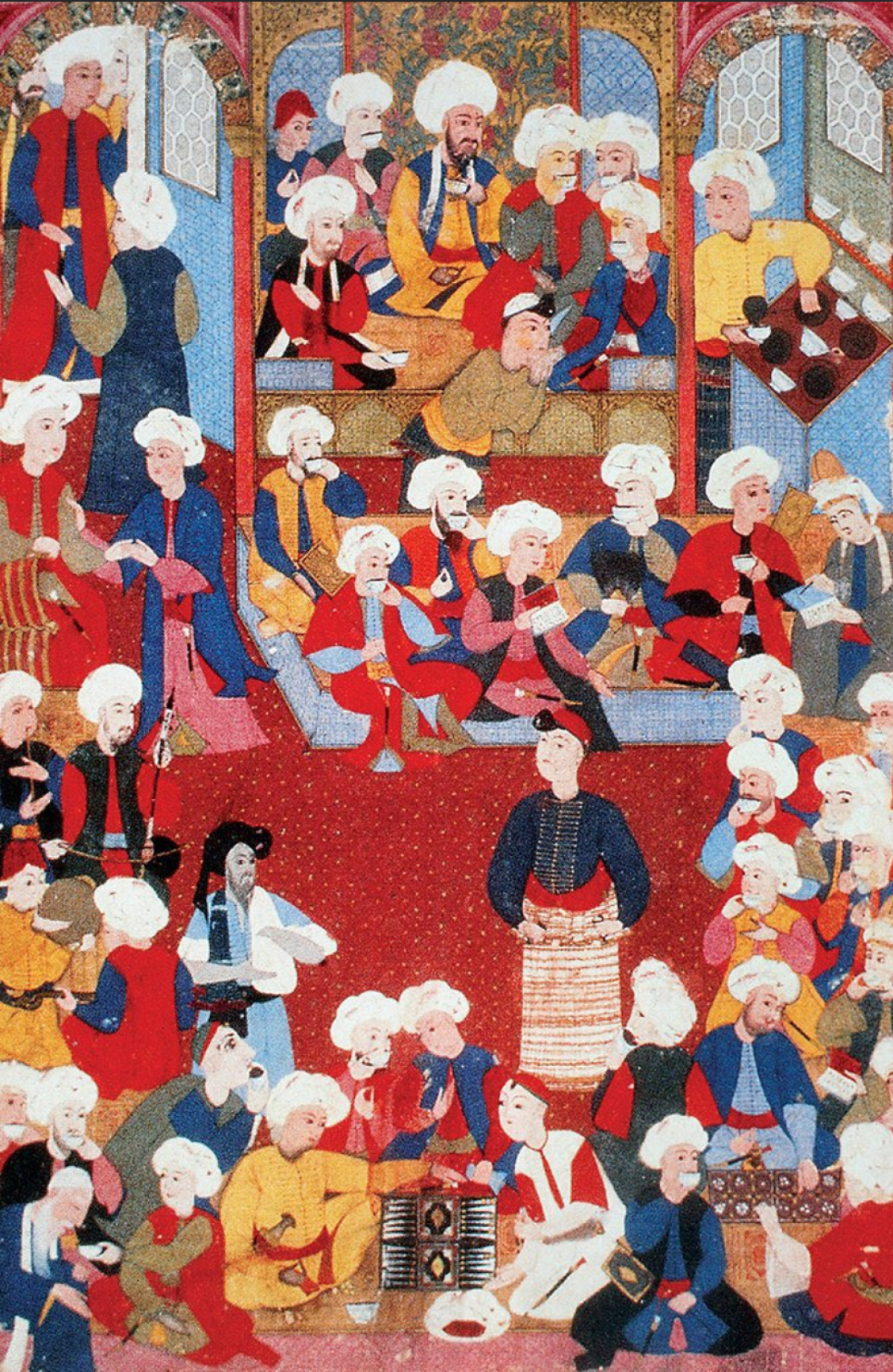
These “kahvehaneler” soon became centers of conversation, poetry, backgammon, and storytelling. For the first time, people gathered not for prayer or trade but for leisure and the exchange of ideas.
The aroma of freshly roasted beans filled the air of bazaars, and the Ottoman capital became one of the earliest cities in the world where coffee created a public culture of dialogue and reflection.
Coffeehouses and the Conflicts: Banned by the Sultans
By the 17th century, coffeehouses had multiplied into hundreds across Istanbul, attracting a cross-section of urban society, most notably, the Janissaries, who used them as meeting points.
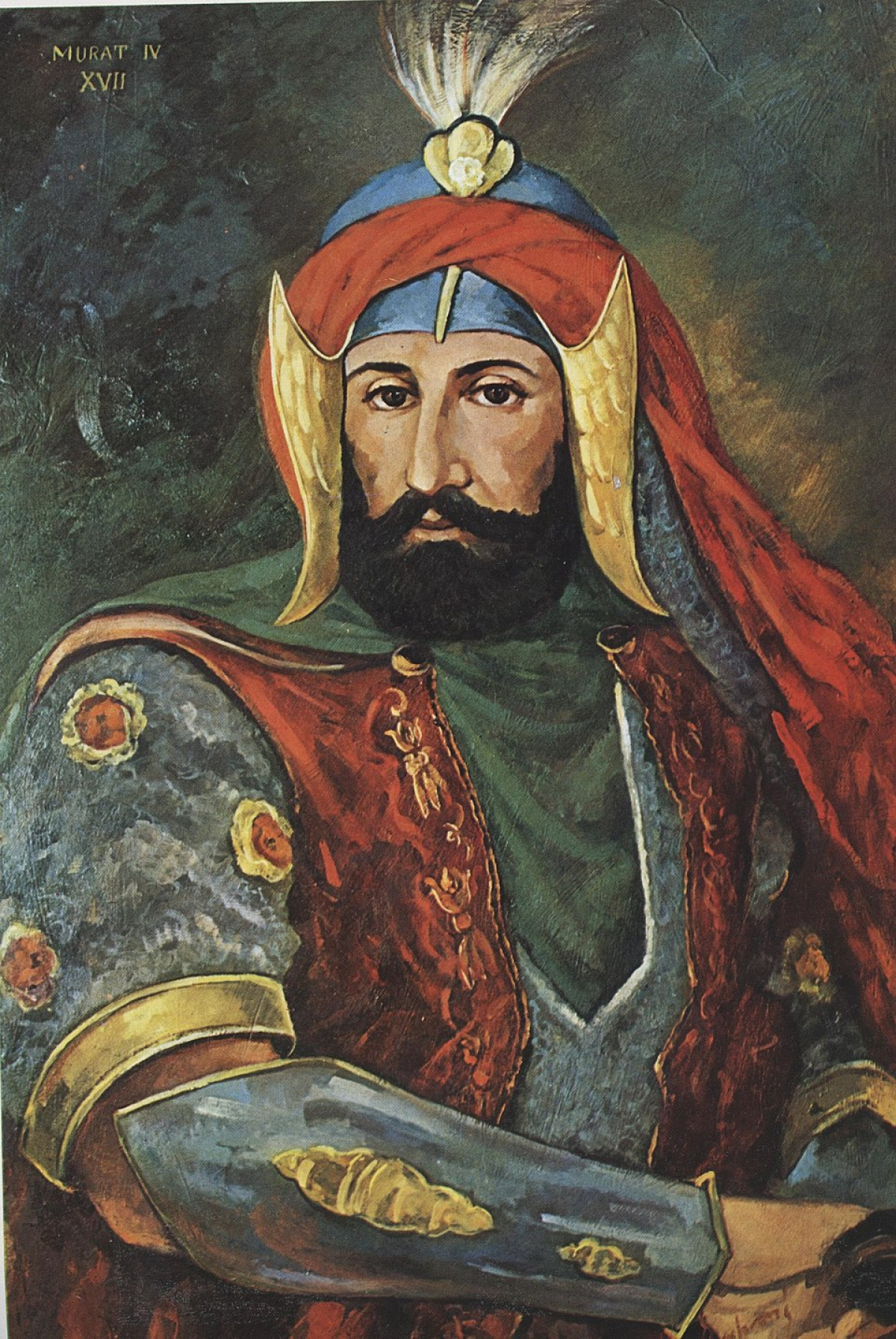
Their political discussions and satirical plays made rulers uneasy. Sultan Murad IV, viewing these gatherings as breeding grounds for dissent, famously banned coffee along with tobacco and alcohol.
He closed many establishments and punished violators harshly. Yet the ban only pushed the habit underground; people brewed coffee secretly, reaffirming its hold on Ottoman life.
Flourishing of Coffeehouses in the 19th century
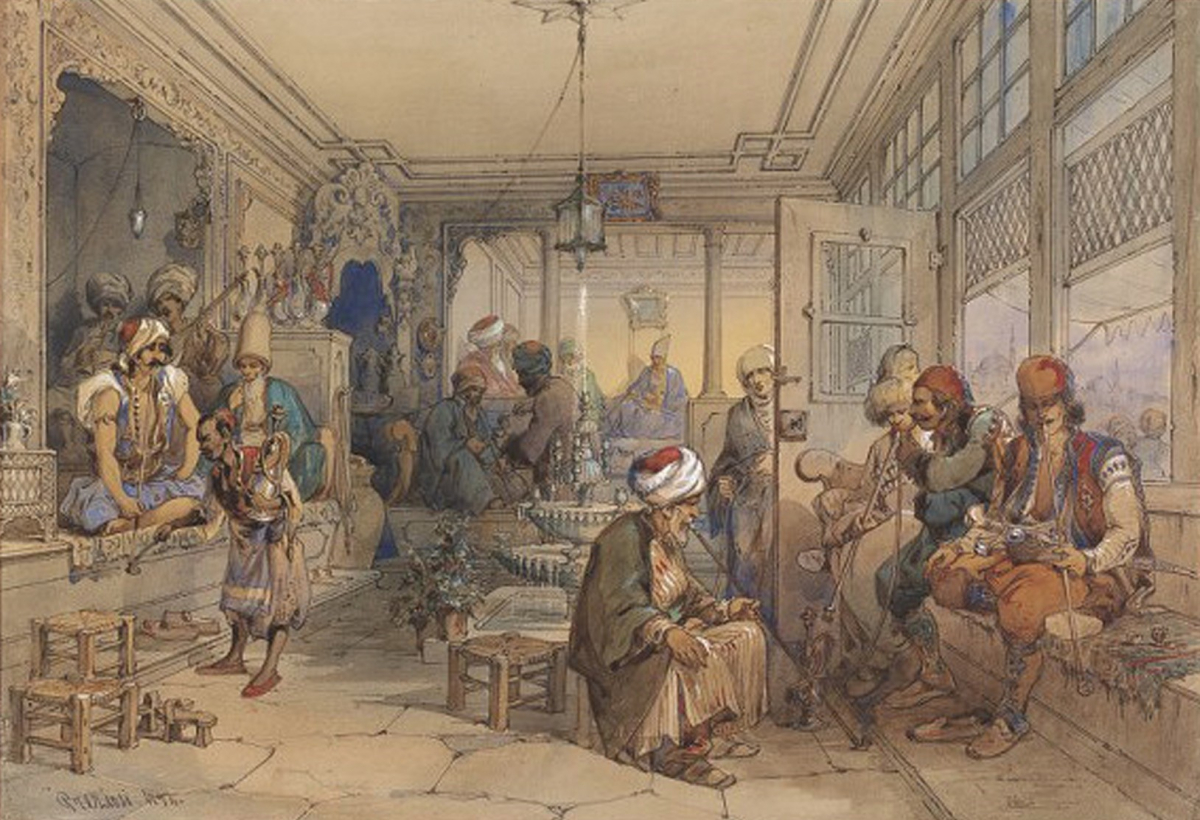
After the prohibitions faded, coffeehouses returned stronger than ever. They became neighborhood landmarks, often adorned with marble fountains and calligraphic tiles.
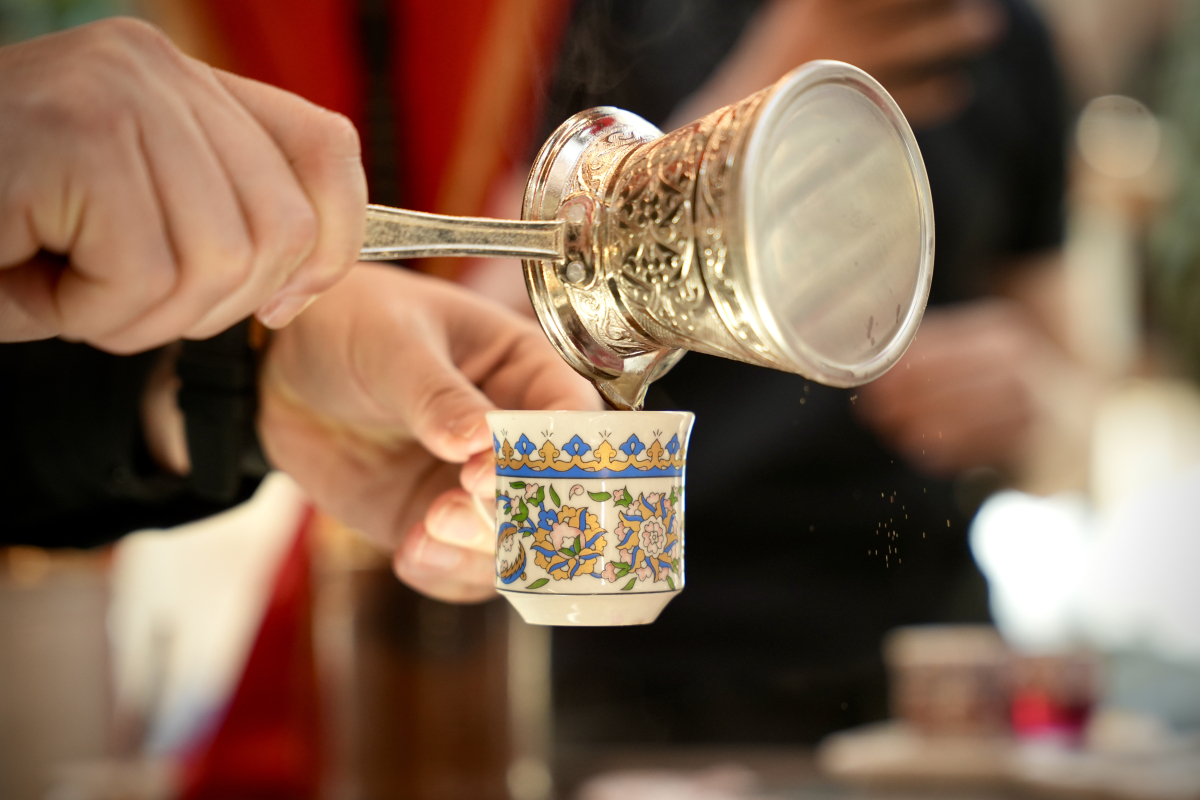
Storytellers (meddahs) entertained crowds, musicians played traditional tunes, and Turkish coffee, served thick and unfiltered in small porcelain cups, became a symbol of hospitality.
Over time, the drink entered domestic rituals, offered to guests or brides’ families during marriage visits. Istanbul’s coffeehouses evolved into microcosms of Ottoman society: a meeting ground of classes, professions, and ethnicities.
The Republican Era: The Rivalry between Tea and Coffee
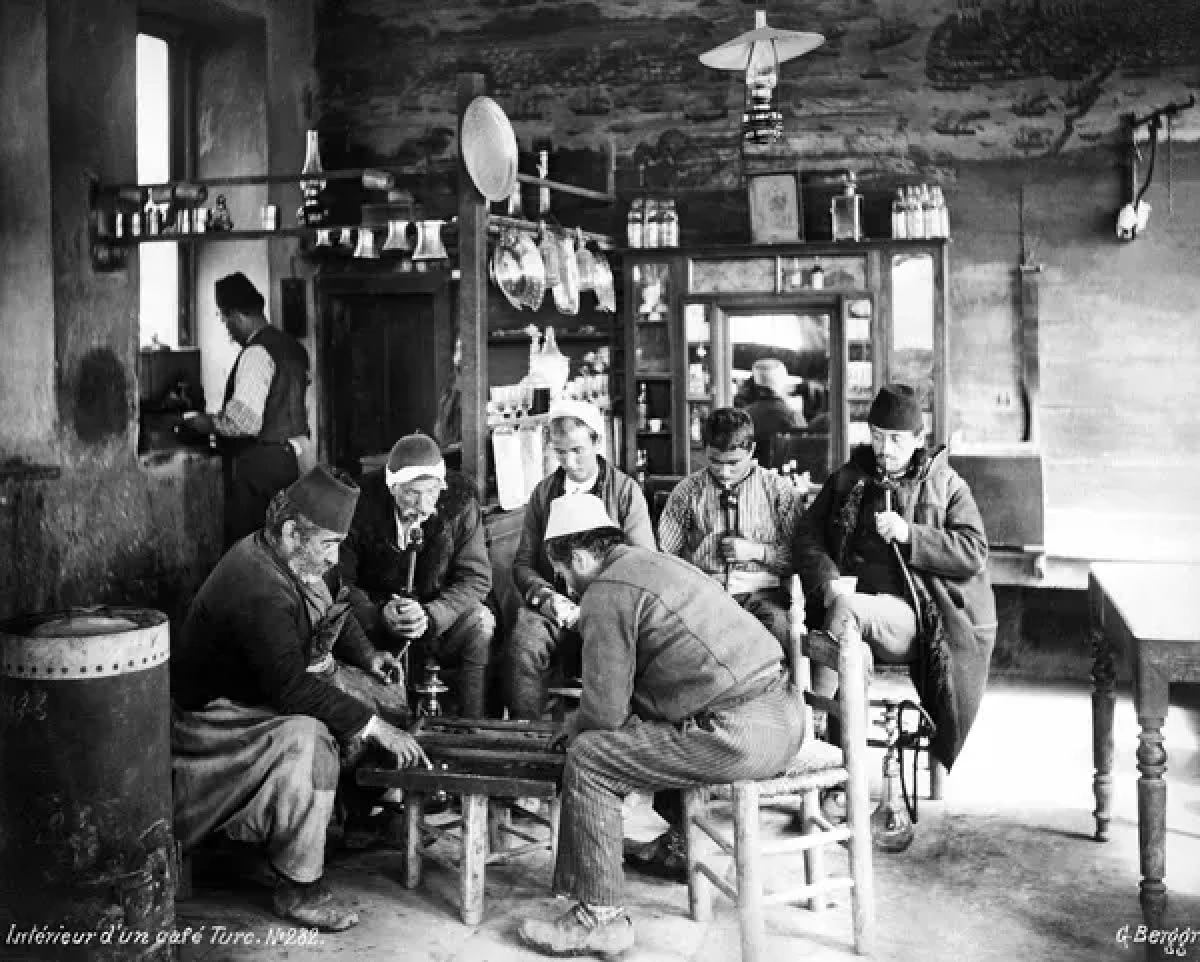
With the birth of the Turkish Republic came a desire to craft a new national identity: modern, self-sufficient, and distinct from the Ottoman past
One of the statesmen, called Zihni Derin, had a revolutionary idea: importing tea seeds from Georgia. Now, Turkey is the country with the most tea consumers in the world, a status that has proven effective.
This did not decrease the value of Turkish coffee, but Turkish tea is still the most popular alternative for daily occasions or as a complement with meals, especially for breakfast.
Modern Coffeeshops and the Young Vibe of Istanbul
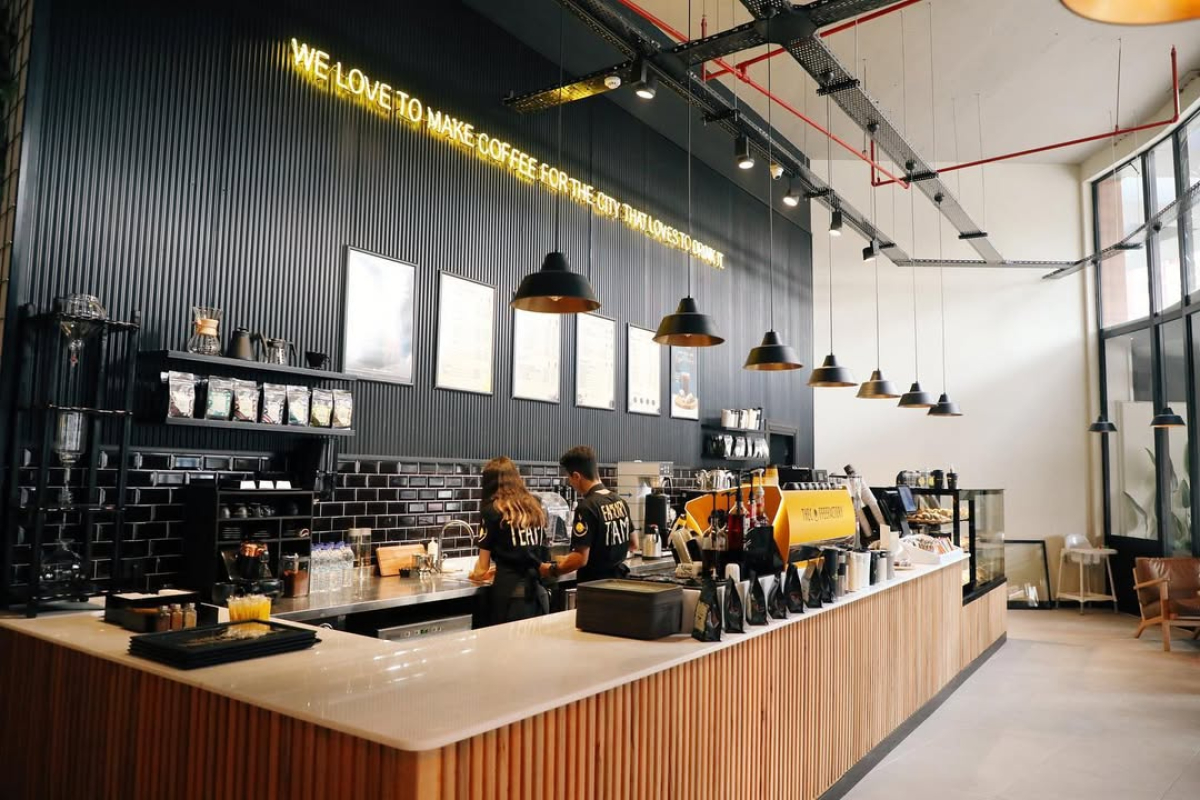
In the 21st century, coffeehouses have changed their vision and they are instead part of the popular meeting spaces of students, young professionals, or a bunch of people who want to gossip, an integral part of the Mediterranean culture.
Istanbul is a densely populated city, so unlike its counterparts, such as London, there are few public outdoor spaces or parks.
This increases the demand for public spaces where locals can avoid being disturbed by guides waiting for orders: Voila, the third-generation cafés with many cats around, of course!
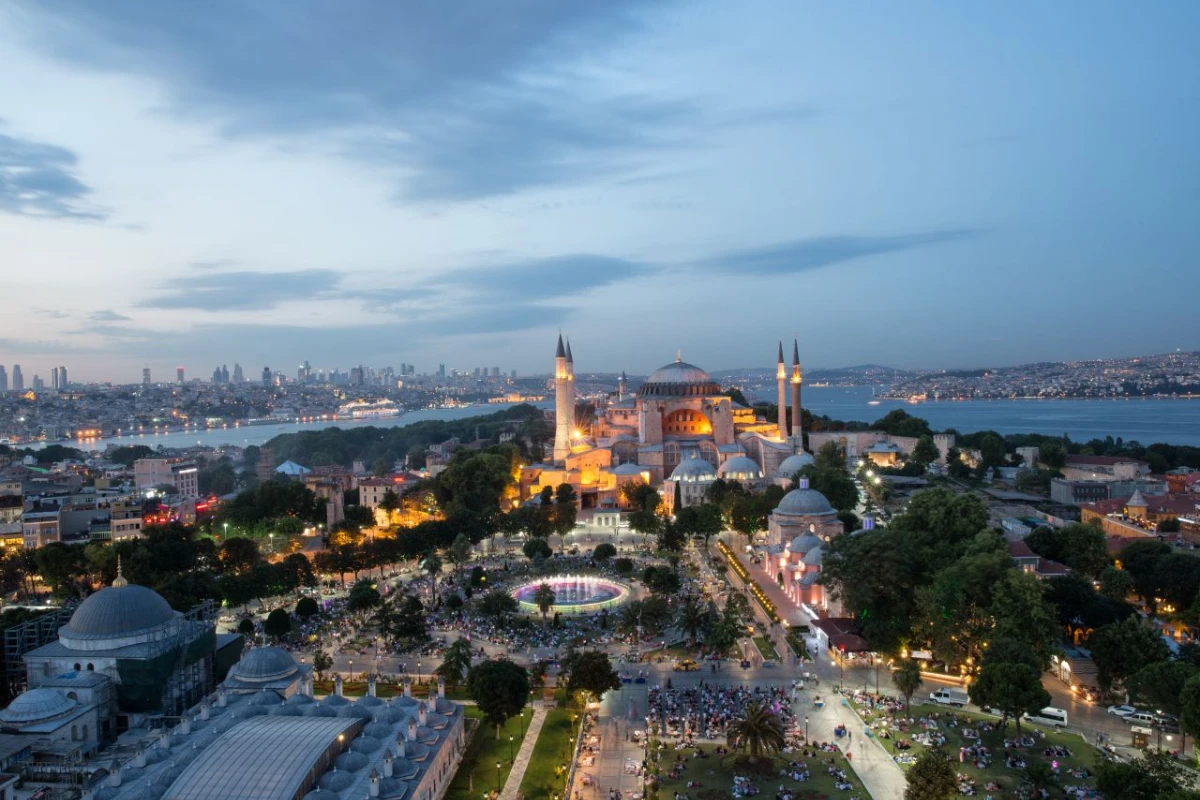
Cogito Experience: Learn more about the Coffee culture just next to Hagia Sophia
Step into Beta Han, a beautifully restored Ottoman inn in Istanbul’s Eminönü district, just a few steps from the Spice Bazaar. Once a resting place for merchants on the old spice routes between India and Europe, this historic han, known in the past as Tahmis Han and Hasırcılar Han, now welcomes visitors into a tranquil courtyard filled with the aroma of freshly roasted coffee.
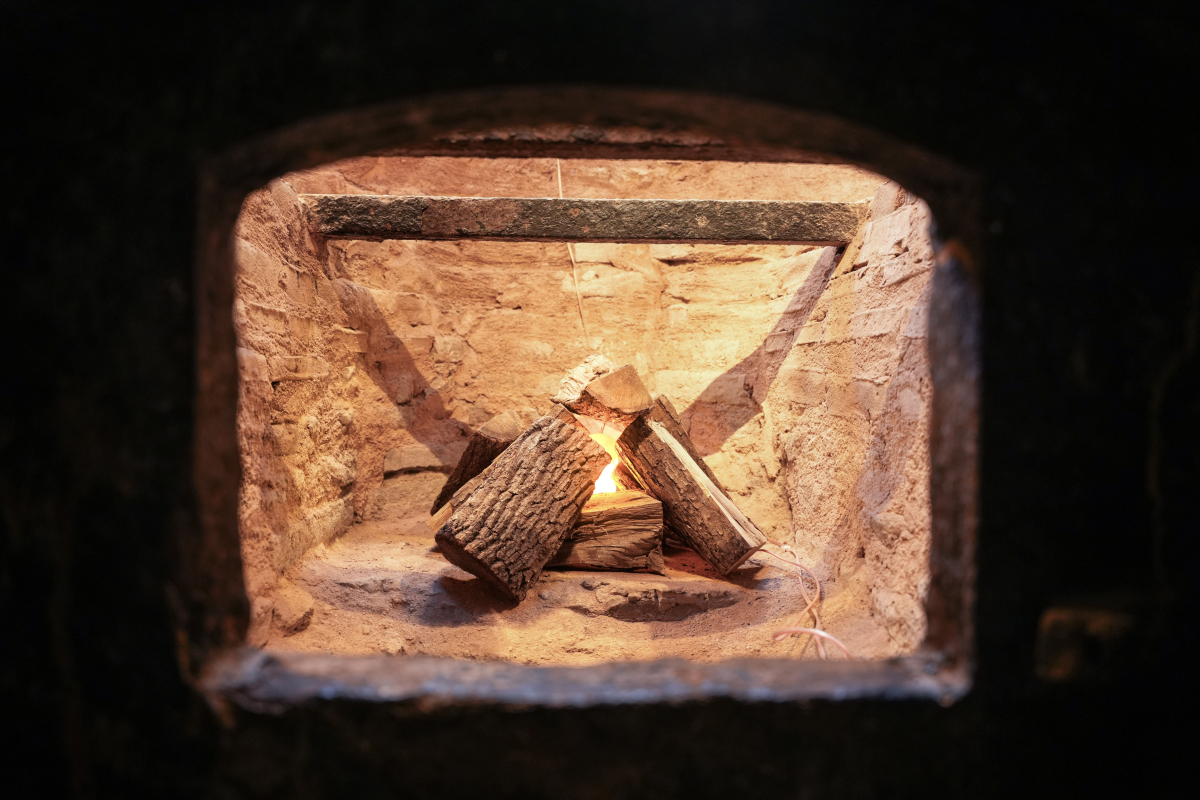
Inside the Coffee Museum, you’ll journey through the story of Turkish coffee, from its Ottoman origins to its role in modern life. Watch as your guide brews coffee over heated sand (kahve kumu), revealing the centuries-old technique that creates its rich flavor and signature foam.
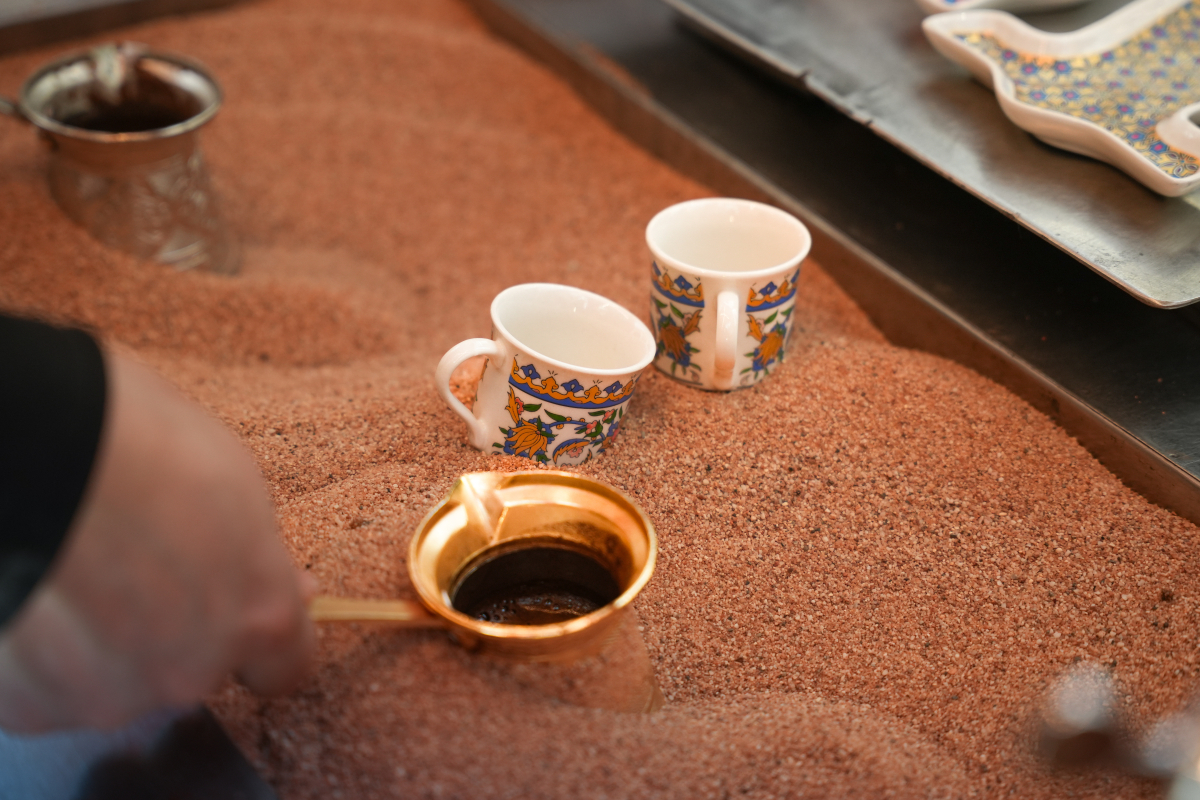
Enjoy your cup in this peaceful setting, surrounded by elegant arches and echoes of Istanbul’s trading past. Just beside Hagia Sophia, the Cogito Experience invites you to taste, learn, and feel how coffee continues to connect this city, one cup at a time.
Book your spot from the calendar below!