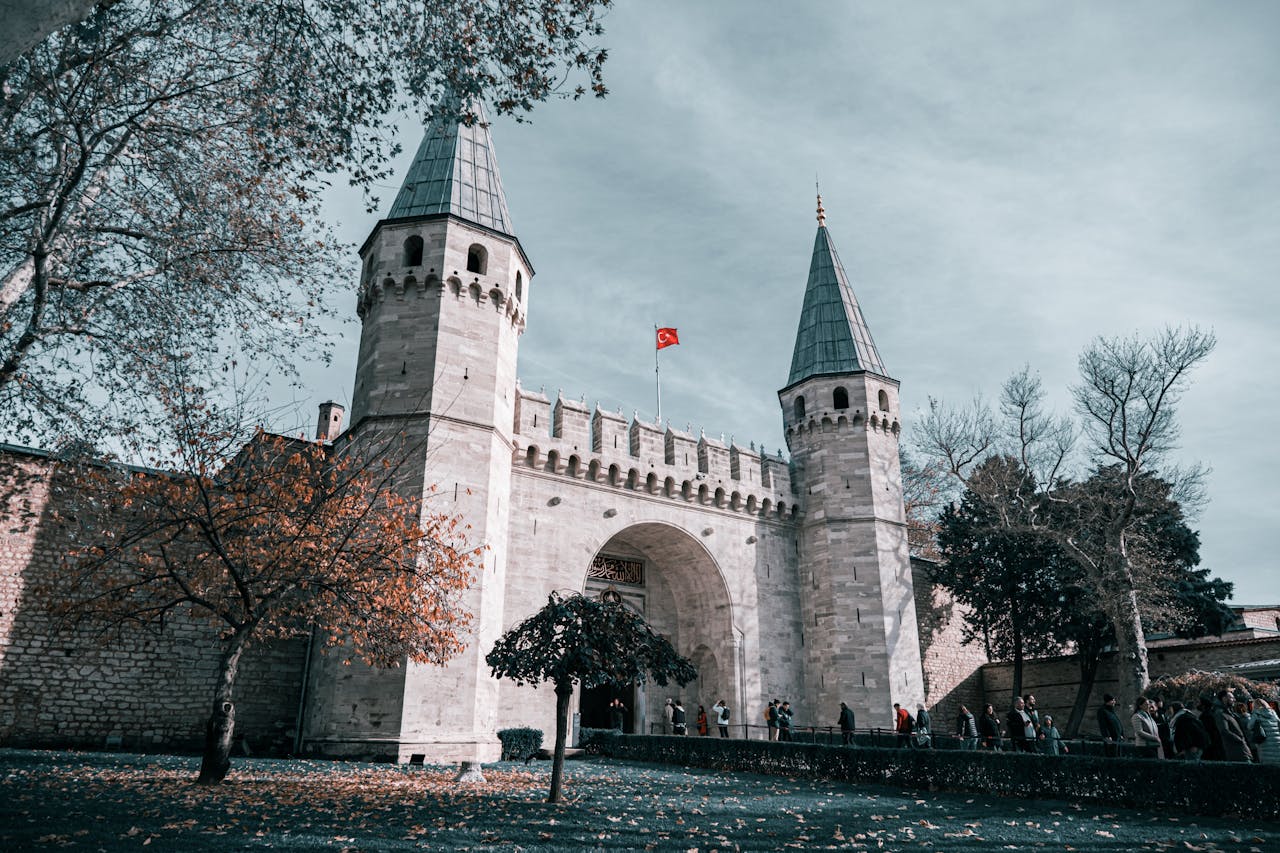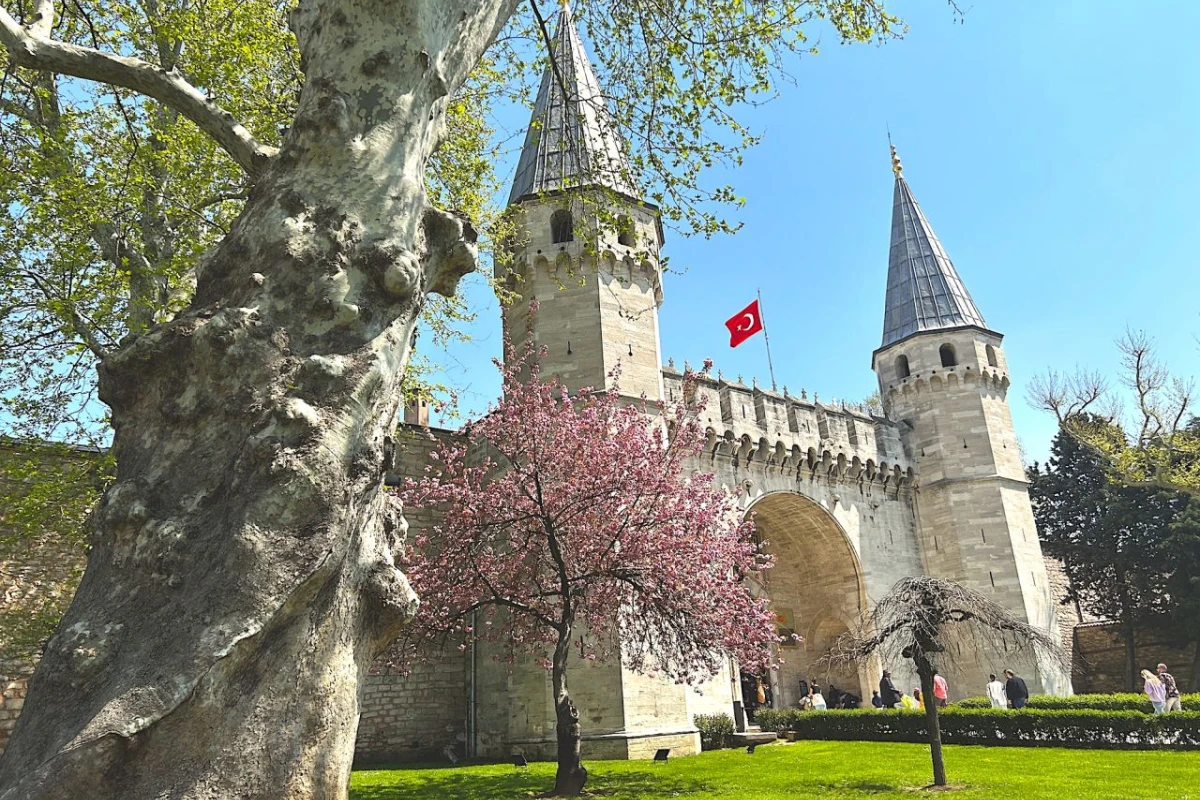

There's actually something quite exciting happening at Topkapi Palace this week. Five new museums are about to open to the public on October 25th, following an official ceremony attended by the Turkish president.
What's particularly interesting is their location. They'll be housed in the former Imperial Mint, known as Darphane-i Amire, right in the First Courtyard of the palace.
The restored complex brings together five distinct collections covering Ottoman art, military history, calligraphy, cartography and industrial heritage with more than 10,000 artifacts.
What Are the Five New Museums at Topkapi Palace?
1- Porcelain Museum
The museum will showcase more than 5,000 porcelain objects. This gives visitors an idea on how the palace life was like with artistic tastes and centuries of decorative tradition.
Insider Tip: Did you know that Ottoman sultans were passionate collectors of Chinese porcelain? Long before modern global trade, luxury ceramics traveled thousands of kilometers from China to Istanbul. Every piece tells a story of international connections.
2- Ottoman Calligraphy Museum
Explore the beauty of Ottoman calligraphy through a remarkable collection of around 2,000 works. Visitors will discover how skilled calligraphers transformed written words into elaborate works of art, reflecting the important role of calligraphy in Ottoman religious, cultural and artistic life.
Insider Tip: Look out for the tughra, the elaborate official emblem of an Ottoman sultan. It combines the ruler's name and titles in an artistic design. Think of it as an imperial signature turned into a masterpiece
3- Imperial Weapons Museum:
Step into the military world of the Ottoman Empire and discover approximately 2,500 historical weapons. The collection offers a fascinating perspective on the empire's military heritage, highlighting the evolution of weaponry and the craftsmanship involved in producing arms for warfare and ceremonial purposes.
Insider Tip: Not every weapon was made for battle. Some Ottoman weapons were designed to show off rather than fight. Elaborate decoration, precious metals and fine craftsmanship could turn a sword or dagger into a symbol of rank and authority
4- Imperial Mint and Industrial Tools Museum:
Ever wondered how the Ottoman Empire produced its coins and developed the tools that kept its economy running? This museum offers a fascinating look behind the scenes, with around 500 historical tools and industrial objects revealing the craftsmanship, technology and production methods of the past.
Insider Tip: The building is part of the new exhibition. This is a place where Ottoman coins were actually produced. Take a moment to appreciate the historic buildings themselves.
5- Historical Maps Museum
See how people understood and represented the world through a collection of approximately 110 historical maps. The museum invites visitors to explore the development of geographical knowledge and cartography, offering a window into the ways territories, cities and landscapes were documented throughout history. Those who is interested in geography, this is going to be a gold mine.
Insider tip: Don't be surprised if some historical maps look upside down! North wasn't always placed at the top, and different cartographic traditions used different orientations. When examining an old map, try to identify which direction is at the top before looking for familiar places.
Where Are the New Museums Located?
The five museums are situated within the historic Imperial Mint complex, known in Turkish as Darphane-i Amire, in the First Courtyard of Topkapi Palace.
Originally associated with the Ottoman state's coin production, this historic complex has undergone extensive restoration and has been transformed into a new cultural destination.
For visitors exploring Topkapi Palace, the museums promise an additional opportunity to discover the Ottoman Empire beyond the palace's famous Harem, Imperial Treasury and ceremonial courtyards.
When Will the New Museums Open?
The official inauguration ceremony is scheduled for October 24, 2026, with public access announced for October 25.
What are the opening hours of the new museums?
The individual opening hours of the five new museums have not yet been officially confirmed. Topkapi Palace generally opens at 9:00 AM, with ticket offices closing at 5:00 PM, and is closed on Tuesdays. The new museums may follow a similar schedule, but visitors should verify the arrangements before their visit.
What is Darphane-i Amire at Topkapi Palace?
Darphane-i Amire, meaning the Imperial Mint, was an important Ottoman coin-production complex situated in the First Courtyard of Topkapi Palace. It played a role in producing currency for the empire. The restored buildings will now house five specialist museums, giving the historic complex a new cultural purpose.
Are the new Topkapi Palace museums worth visiting?
They are certainly worth considering, particularly for visitors interested in Ottoman history beyond the palace's royal apartments and ceremonial spaces. The new collections will explore subjects such as calligraphy, cartography, military craftsmanship and industrial production, making them an appealing addition to a Topkapi Palace itinerary.
Can I visit the new museums and the Harem on the same day?
A combined visit should be possible if the museums' operating hours and admission arrangements allow it. We recommend exploring the new museums in the First Courtyard before continuing into the main palace complex and the Harem. Allow approximately four to five hours for a relaxed visit covering the major palace attractions and the new exhibitions.