
Dolmabahçe Palace Istanbul

Published

22 Apr 2025

Dolmabahçe Palace Museum

A place of beauty, power, and memories by the Bosphorus.

Walking into Ottoman Splendor

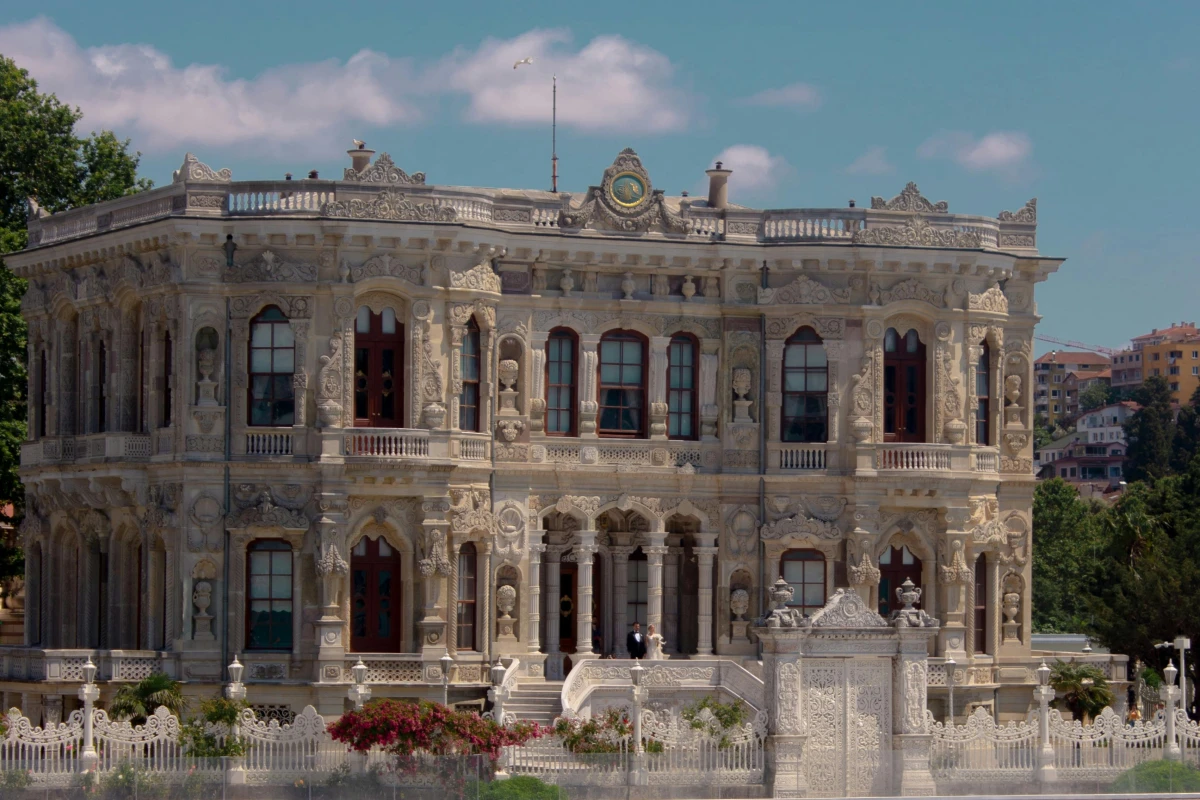
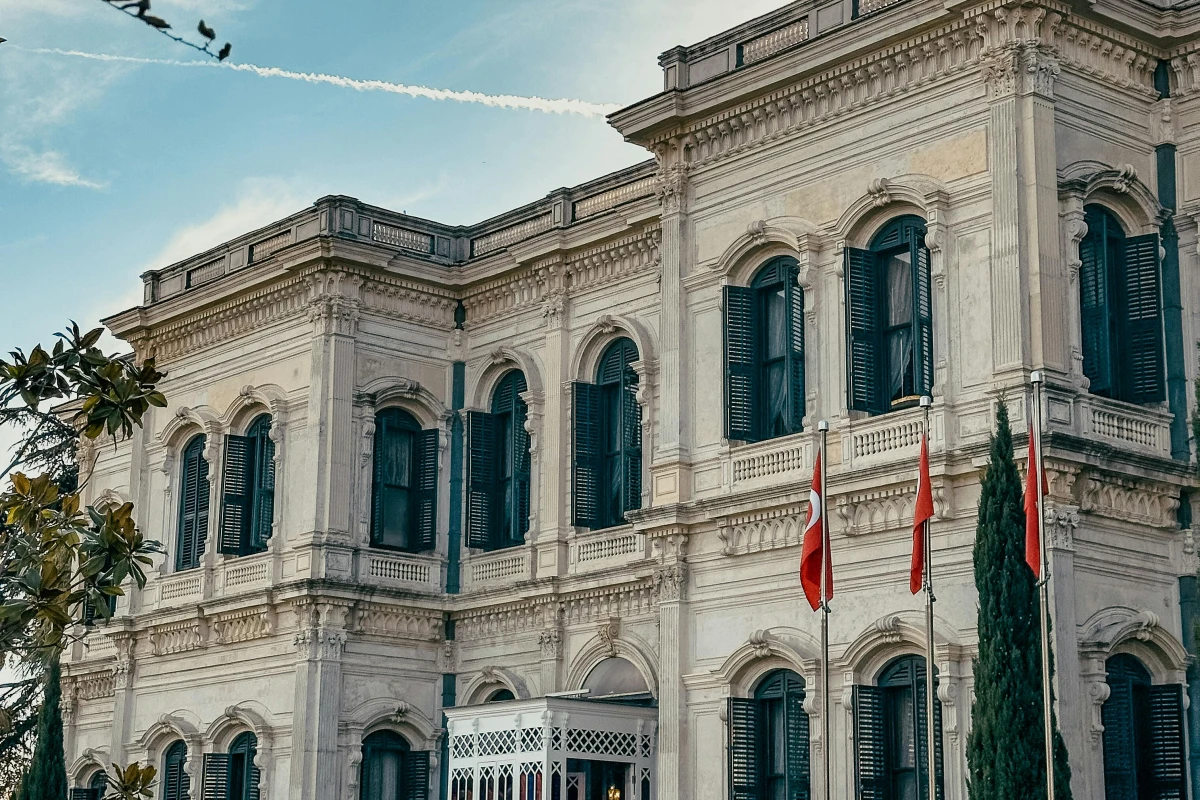
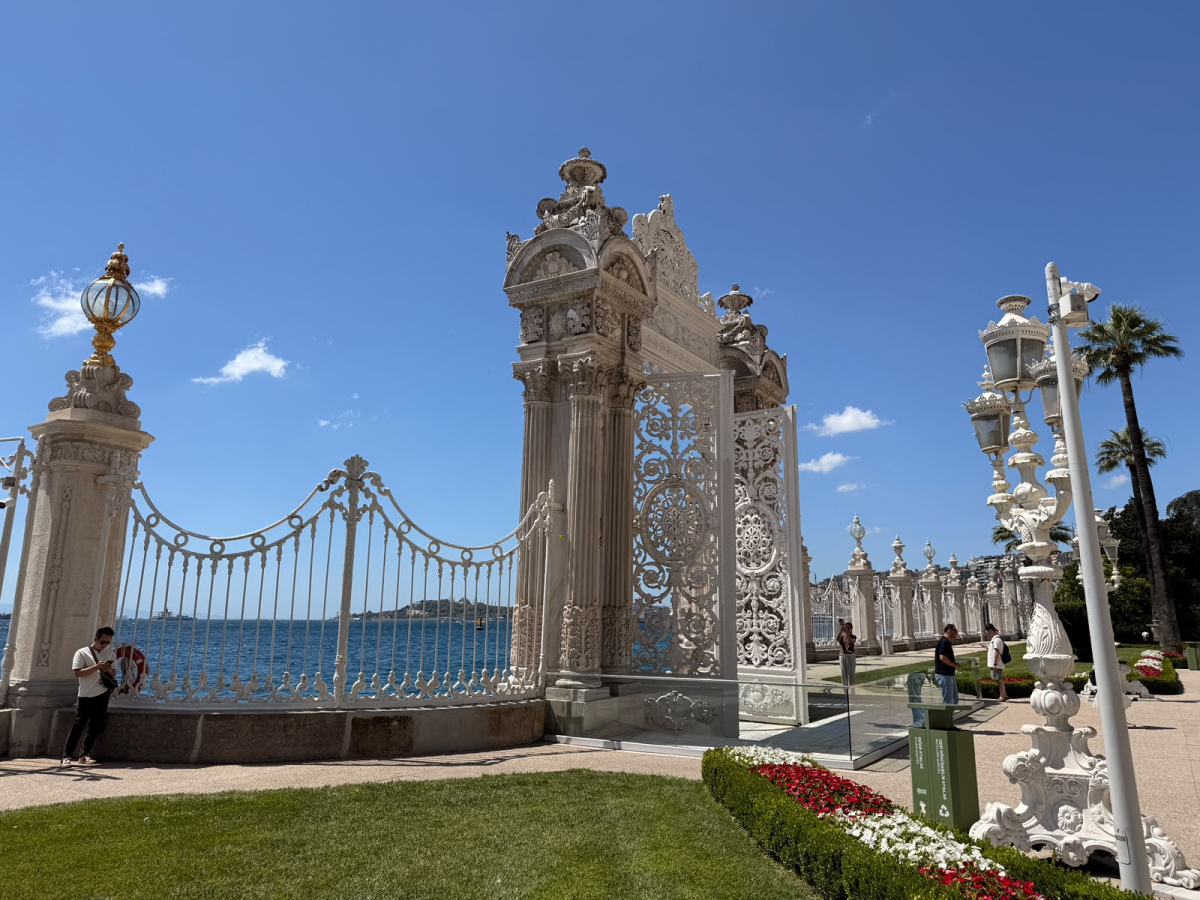
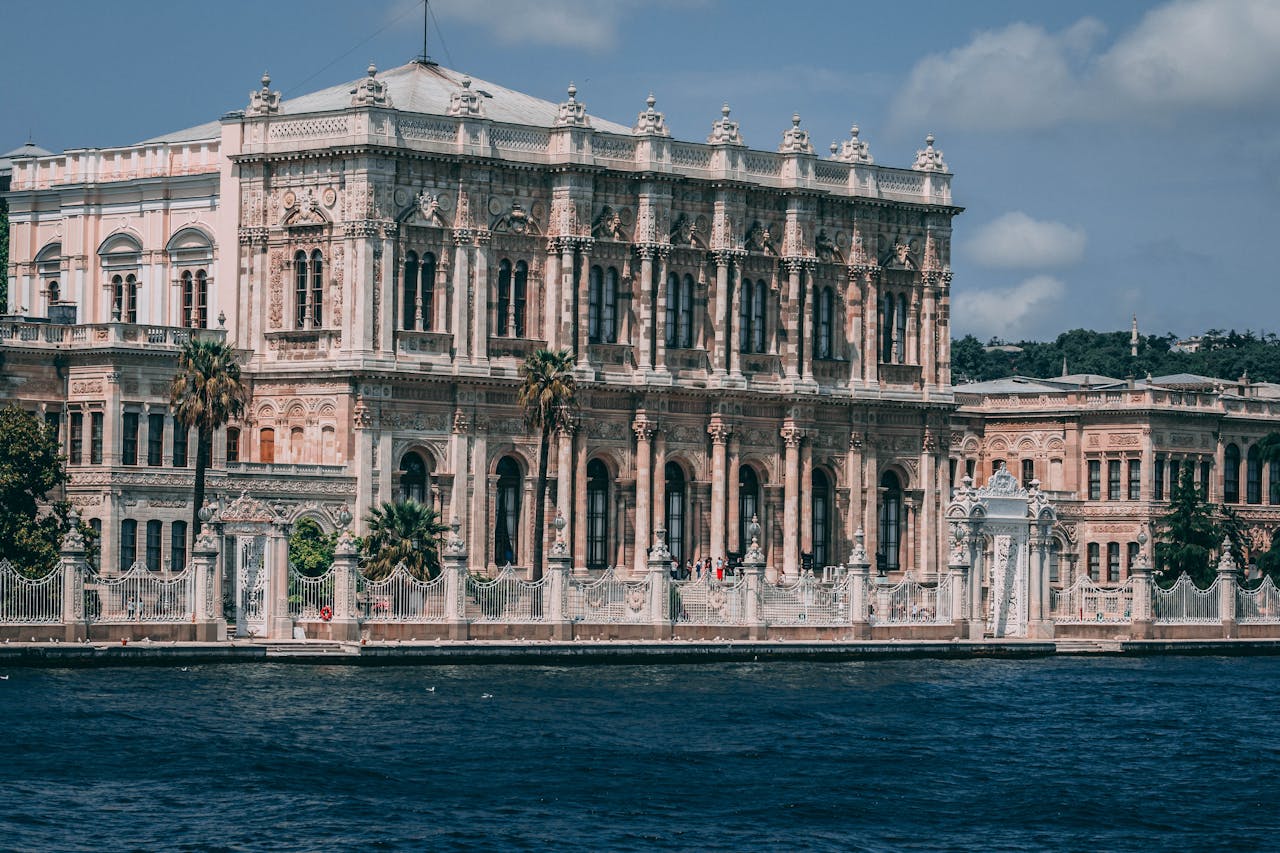
As you walk along the edge of the Bosphorus in Beşiktaş, a grand white palace appears—Dolmabahçe Palace, one of the last symbols of the Ottoman Empire’s power and love for beauty. Built between 1843 and 1856, this palace feels more like something from a fairy tale than real life.

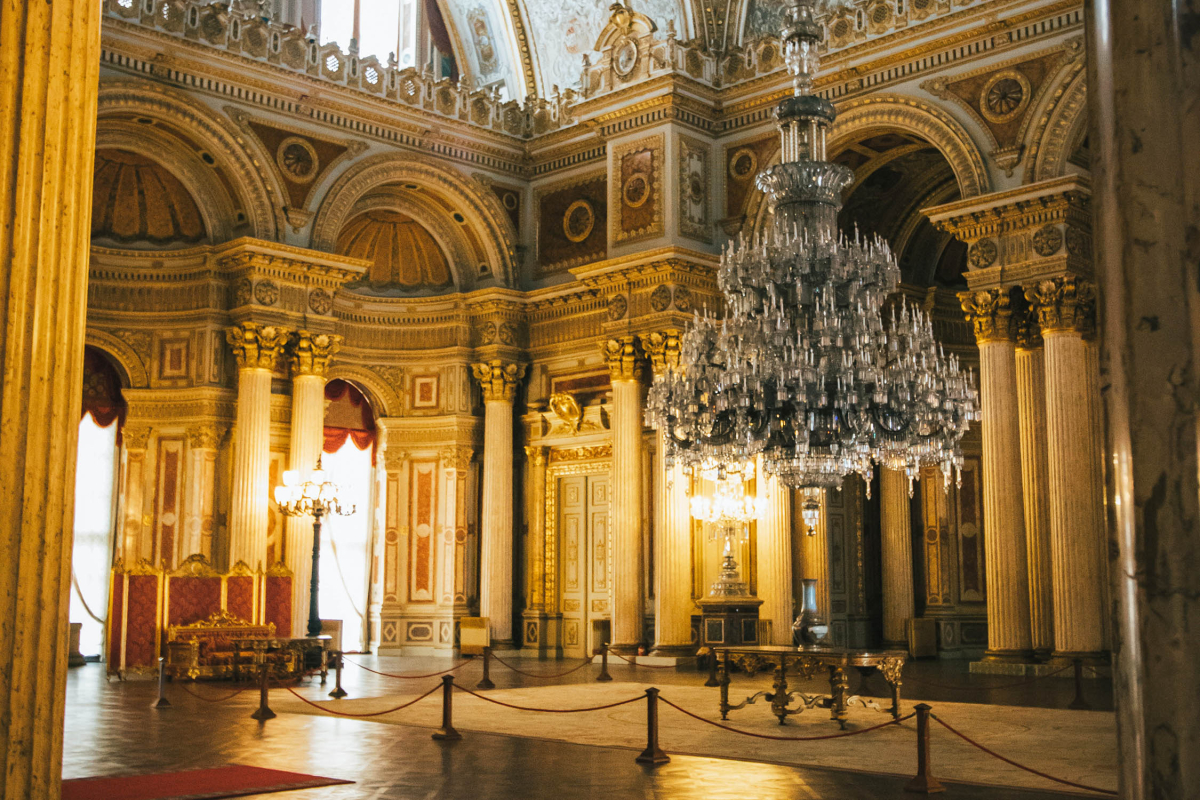
With its European-style design, shiny crystal chandeliers, gold-covered ceilings, and soft carpets, the palace gives you a taste of how the Ottoman sultans lived during their final years in power.
What You’ll Experience Inside

Ceremonial Hall: This room is breathtaking. It has the largest crystal chandelier in the world, and the whole hall sparkles with light. It’s where important guests were welcomed with style.

Harem (Private Quarters): This was the private area of the palace, where the sultan’s family lived. It’s quieter and more personal, with bedrooms, sitting rooms, and a warm family feel.

Atatürk’s Room: The room where Mustafa Kemal Atatürk, the founder of modern Turkey, spent his final days in 1938. It has been kept just as it was.

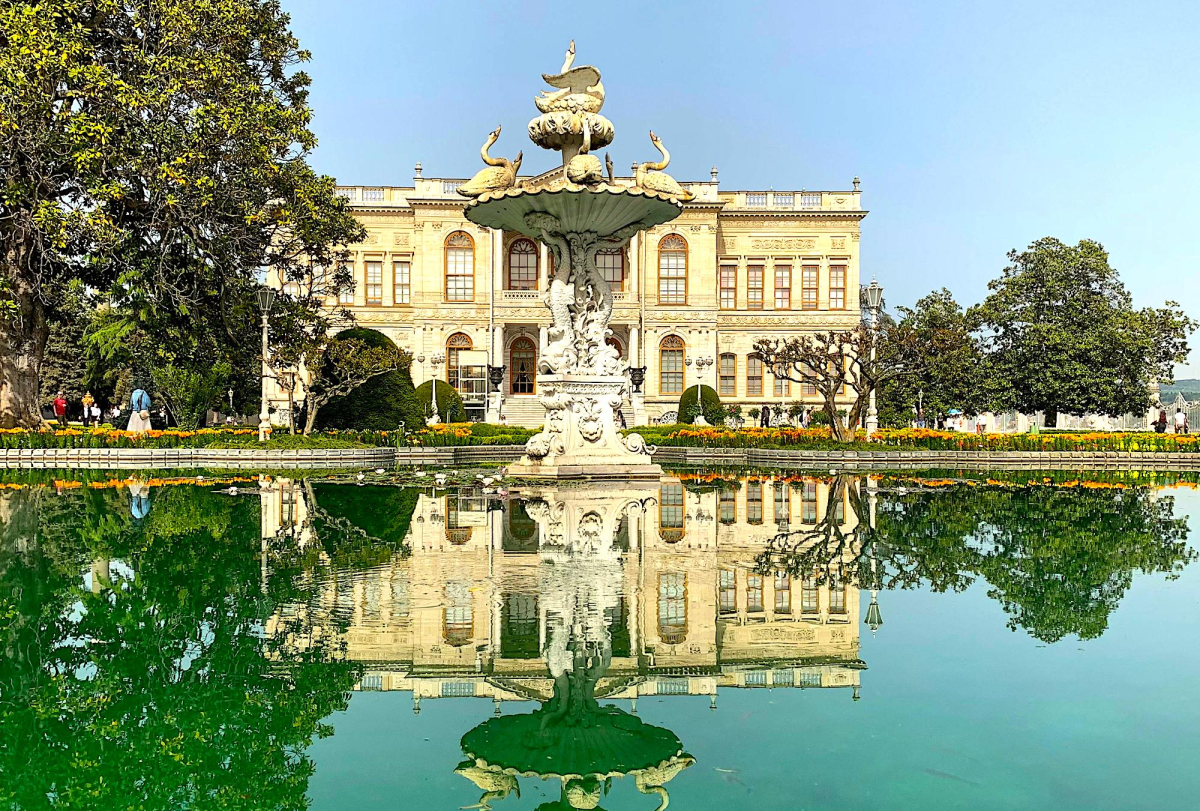
Gardens and Clock Tower: After the rooms, walk outside to enjoy the peaceful gardens and see the elegant clock tower by the water. The view of the Bosphorus here is unforgettable.
Where and How to Visit

📍 Location: Right on the Bosphorus, in the Beşiktaş district of Istanbul.

🎟️ Ticket Info: The palace has two main sections: the Selamlık (official section) and the Harem (private section). You’ll need separate tickets for each, or a combined ticket for both.

📸 Tips: No photography is allowed inside the palace rooms, so be sure to take mental pictures of all the beauty around you!

Useful Information

🕒 Hours: Open daily from 09:00 to 17:30 (Closed on Mondays)

🎫 Tickets: Full entry (Selamlık + Harem) costs 1,050 TL

💡 Extra Tip: Go early in the morning to avoid crowds and enjoy the peaceful garden views by the water.

Buy your ticket from the calendar below. 

A Place That Feels Like a Dream

Dolmabahçe is more than just a museum—it’s a step into the past. You’ll feel the elegance of the sultans, the sadness of an empire’s last days, and the deep respect for Atatürk’s memory. It’s a place where history, beauty, and emotion all come together.
Location Details

Dolmabahçe Palace

Vişnezade, Dolmabahçe Cd., 34357 Beşiktaş/İstanbul, Türkiye

<div style="-webkit-text-stroke-width:0px;caret-color:rgb(0, 0, 0);color:rgb(0, 0, 0);font-style:normal;font-variant-caps:normal;font-weight:400;letter-spacing:normal;margin-bottom:0.5em;margin-top:0.5em;orphans:2;text-align:left;text-decoration-line:none;text-decoration-style:solid;text-decoration-thickness:auto;text-indent:0px;text-transform:none;white-space:normal;widows:2;word-spacing:0px;">Dolmabahçe Palace, a grand neoclassical masterpiece on the Bosphorus, served as the administrative center of the Ottoman Empire in the late 19th and early 20th centuries. Built by the Armenian Balyan family, the palace reflects Western-style luxury with its ornate interiors and extravagant design. The palace marks the beginning of the empire's financial decline as a great example of decadence, with construction costs amounting to a quarter of the empire's yearly revenue. Its most iconic feature is the high-ceilinged main hall, an architectural marvel showcasing the empire’s opulence.</div><div style="-webkit-text-stroke-width:0px;caret-color:rgb(0, 0, 0);color:rgb(0, 0, 0);font-style:normal;font-variant-caps:normal;font-weight:400;letter-spacing:normal;margin-bottom:0.5em;margin-top:0.5em;orphans:2;text-align:left;text-decoration-line:none;text-decoration-style:solid;text-decoration-thickness:auto;text-indent:0px;text-transform:none;white-space:normal;widows:2;word-spacing:0px;">The design of Istanbul’s palaces, especially those from the 19th century like Dolmabahçe and Beylerbeyi, reflects a blend of Ottoman tradition and Western influence. Elements of Neoclassical, Baroque, and Rococo styles appear in their grand facades, ornate interiors, and elaborate stucco and gilded decoration. One of the most striking examples of these Western influences can be found in the Mabeyn Salonu, or the State Hall, located in the administrative section of Dolmabahçe Palace. This grand hall, situated on the palace’s main floor near the entrance reserved for official state affairs, features lavish crystal chandeliers imported from Europe, luxurious French and Italian furnishings, and ballrooms that mirror the opulence of European royal residences.</div><div style="-webkit-text-stroke-width:0px;caret-color:rgb(0, 0, 0);color:rgb(0, 0, 0);font-style:normal;font-variant-caps:normal;font-weight:400;letter-spacing:normal;margin-bottom:0.5em;margin-top:0.5em;orphans:2;text-align:left;text-decoration-line:none;text-decoration-style:solid;text-decoration-thickness:auto;text-indent:0px;text-transform:none;white-space:normal;widows:2;word-spacing:0px;">Ceiling frescoes and wall murals inspired by Western art distinguish these palaces from earlier Ottoman architecture. The palace gardens were designed in the style of French and English landscapes, with geometric layouts and decorative fountains. These Western influences highlight the cosmopolitan character of Istanbul’s architecture during the Ottoman Empire’s later era.</div><div style="-webkit-text-stroke-width:0px;caret-color:rgb(0, 0, 0);color:rgb(0, 0, 0);font-style:normal;font-variant-caps:normal;font-weight:400;letter-spacing:normal;margin-bottom:0.5em;margin-top:0.5em;orphans:2;text-align:left;text-decoration-line:none;text-decoration-style:solid;text-decoration-thickness:auto;text-indent:0px;text-transform:none;white-space:normal;widows:2;word-spacing:0px;">Today, Dolmabahçe functions as a museum, with part of it dedicated to a painting collection, offering visitors a glimpse into the palace’s artistic and historical grandeur.</div>