
Palaces
Bayezid Mosque
Beyazıt Camii, Beyazıt, Yeniçeriler Caddesi, Fatih/İstanbul, Türkiye
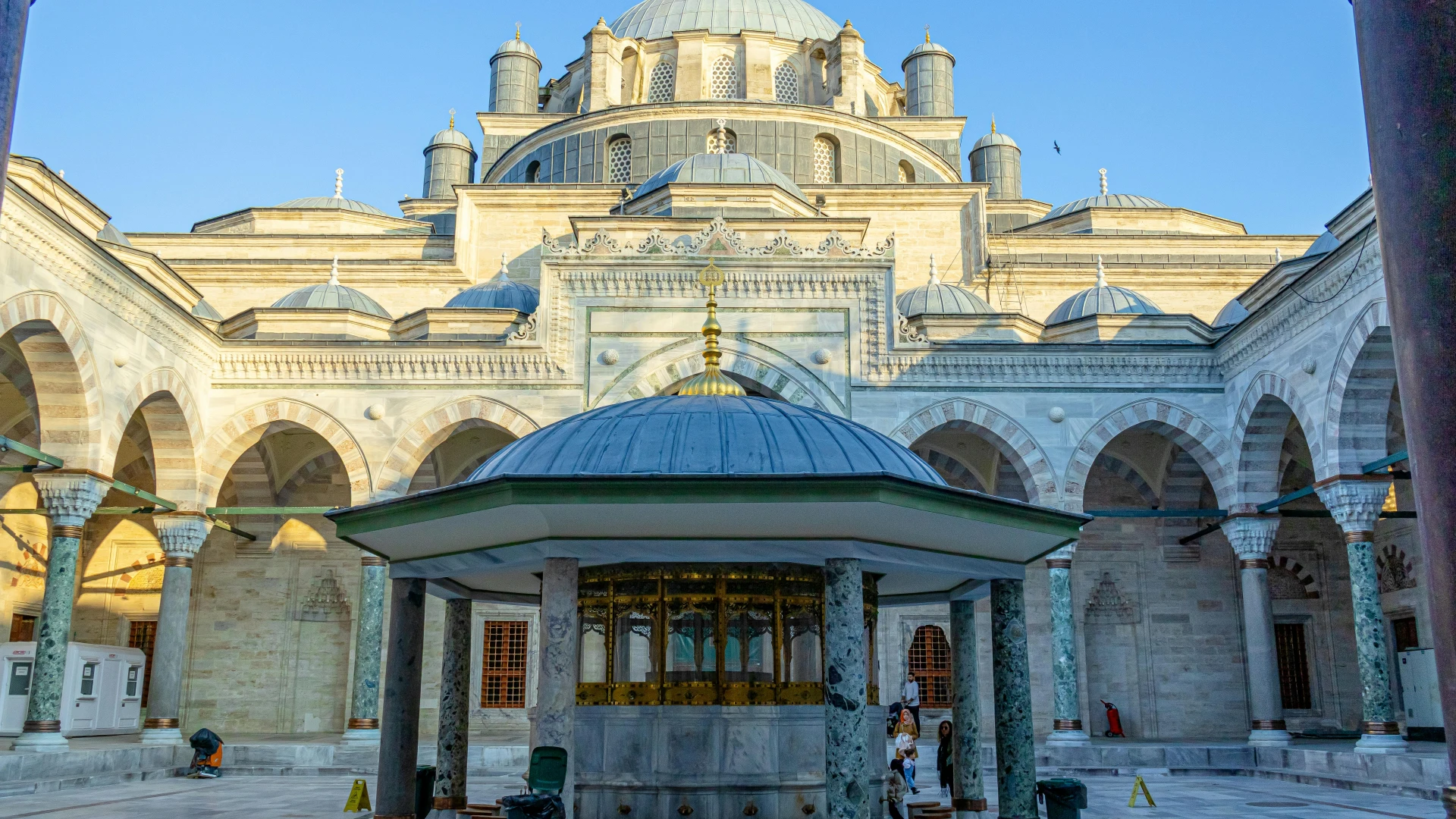
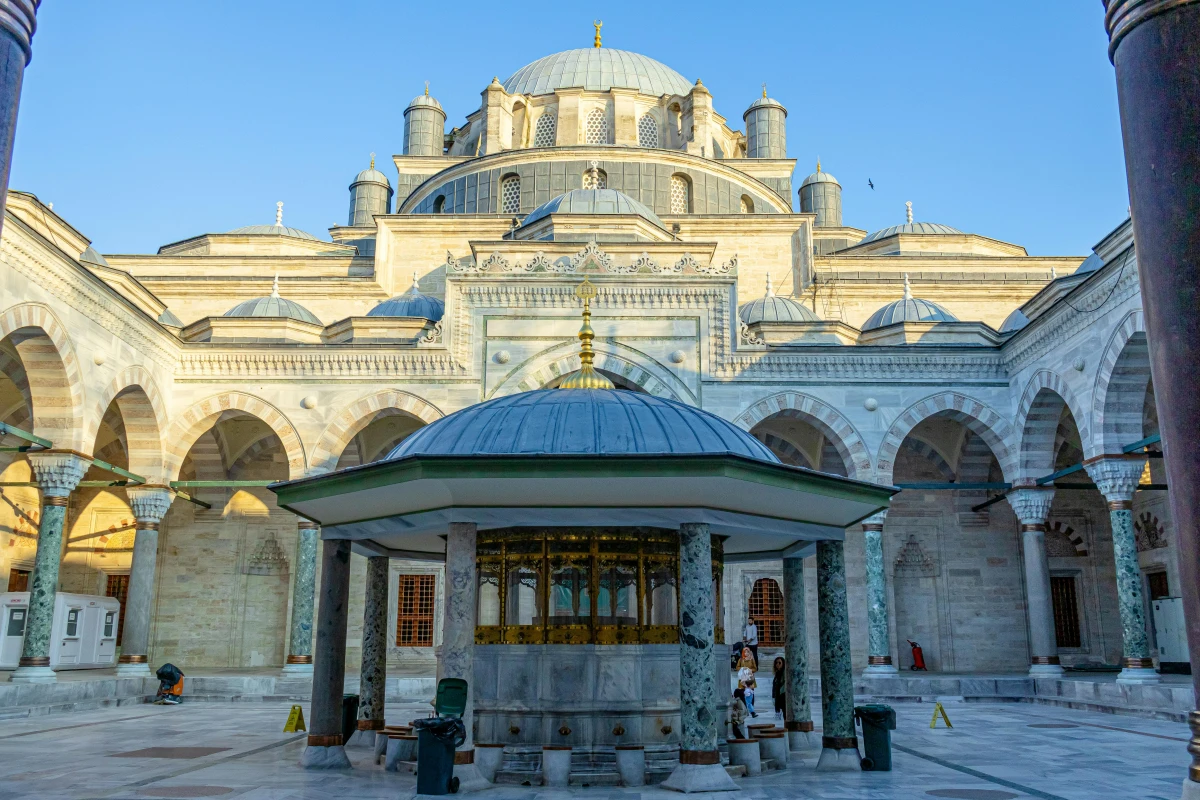
The Beyazıd Mosque, built 520 years ago, stands on what was once the Byzantine Forum Theodosiacum in Istanbul. It’s a beautiful example of classical Ottoman architecture, inspired by Hagia Sophia, with a central dome and surrounding half-domes. Unlike its predecessor, the mosque is more structurally resilient and features a unique innovation: arcaded porticos, called revaks, around its courtyard. The entrance is through the main courtyard. The mosque is usually open to the public except during prayer times.
The main dome is over sixteen meters wide and makes the interior feel open and bright. The mosque is famous for its strong structure and survived the 1509 earthquakes, called the "Little Doomsday," which damaged parts of the dome and led to repairs of the arches.
When you enter the central courtyard, you’ll notice its balanced design and the sense of Ottoman imperial heritage. At the main entrance, look for the deep purple-red stone slabs. This stone, called porphyry, was highly valued in Byzantine times and once decorated emperors’ palaces. The Ottomans used it here on purpose to show they respected the city’s past and claimed their place as its rulers. By including Byzantine porphyry, they showed a link between old and new empires, letting everyone know that Ottoman rule continued and built on earlier traditions. Take a moment to see how the porphyry is set into the entrance, connecting history and the present through this special stone. In this way, the building itself expresses both political legitimacy and cultural blending.
The Bayezid Mosque gives its name to the square where it stands. Beyazıd Square has long been a central spot in Istanbul. It was once called the Forum of Theodosius in Byzantine times and later became an important public space during the Ottoman era. Over the years, the square has seen imperial ceremonies, public gatherings, and many key events in the city’s history. Today, it offers a calm, less crowded alternative to the busy Hippodrome of Constantinople, so visitors can experience different layers of Istanbul’s past.
Related Contents
Reviews

No Reviews Yet
Be the first to review this location!