
Contents


How does Istanbul became a bridge between the East and the West? Long before shopping malls and department stores, Istanbul stood at the crossroads of Europe and Asia, where merchants from Venice to Central Asia exchanged silk, spices, carpets, ceramics, precious metals, and countless other goods. As the capital of both the Byzantine and Ottoman Empire, the city developed an extraordinary network of covered bazaars, open-air markets, neighborhood food markets, and specialized trading districts, many of which continue to thrive today.
What are the most famous bazaars of Istanbul?
Each market tells a different story. The Grand Bazaar preserves more than five centuries of commercial tradition through its labyrinth of historic streets and artisan workshops. The Spice Bazaar introduces visitors to the aromas of saffron, Turkish delight, dried fruits, and herbal teas that once arrived through international trade routes. Local markets offer fresh produce, antiques, textiles, handmade crafts, vintage treasures, and regional delicacies, providing a glimpse into everyday life beyond the city's famous monuments.
1-Grand Bazaar
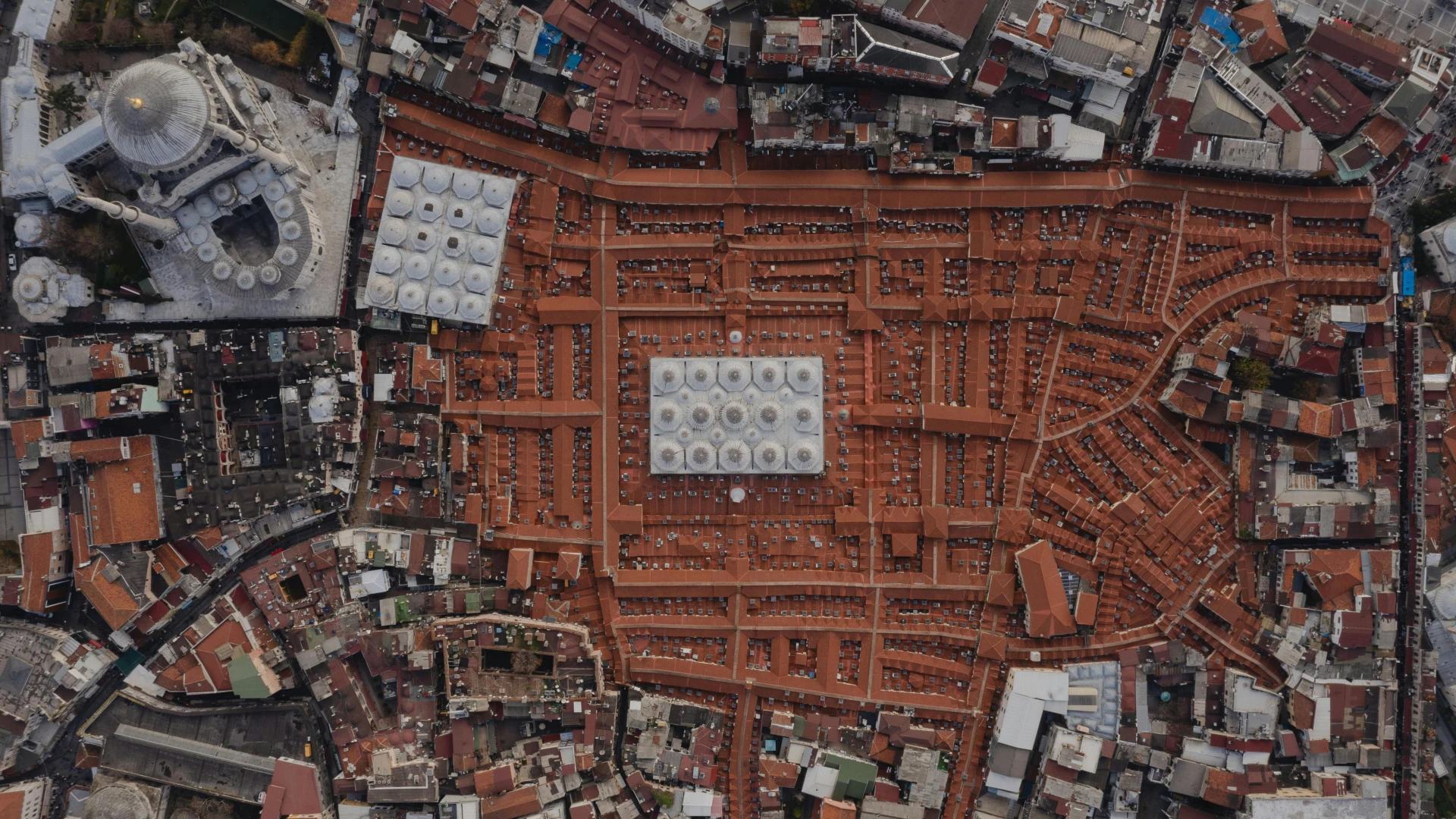
At the heart of Istanbul's Historic Peninsula, the Grand Bazaar has welcomed merchants and travelers since 1461, when Sultan Mehmed II commissioned the first covered market shortly after the conquest of Constantinople. Over the following centuries, it expanded into a bustling commercial district of more than 4,000 shops connected by over 60 covered streets, where traders still sell carpets, İznik ceramics, gold jewelry, leather goods, textiles, spices, and Turkish delight. Today, the bazaar remains free to enter and is open Monday to Saturday from 09:00 to 19:00, although individual shops may keep slightly different hours.
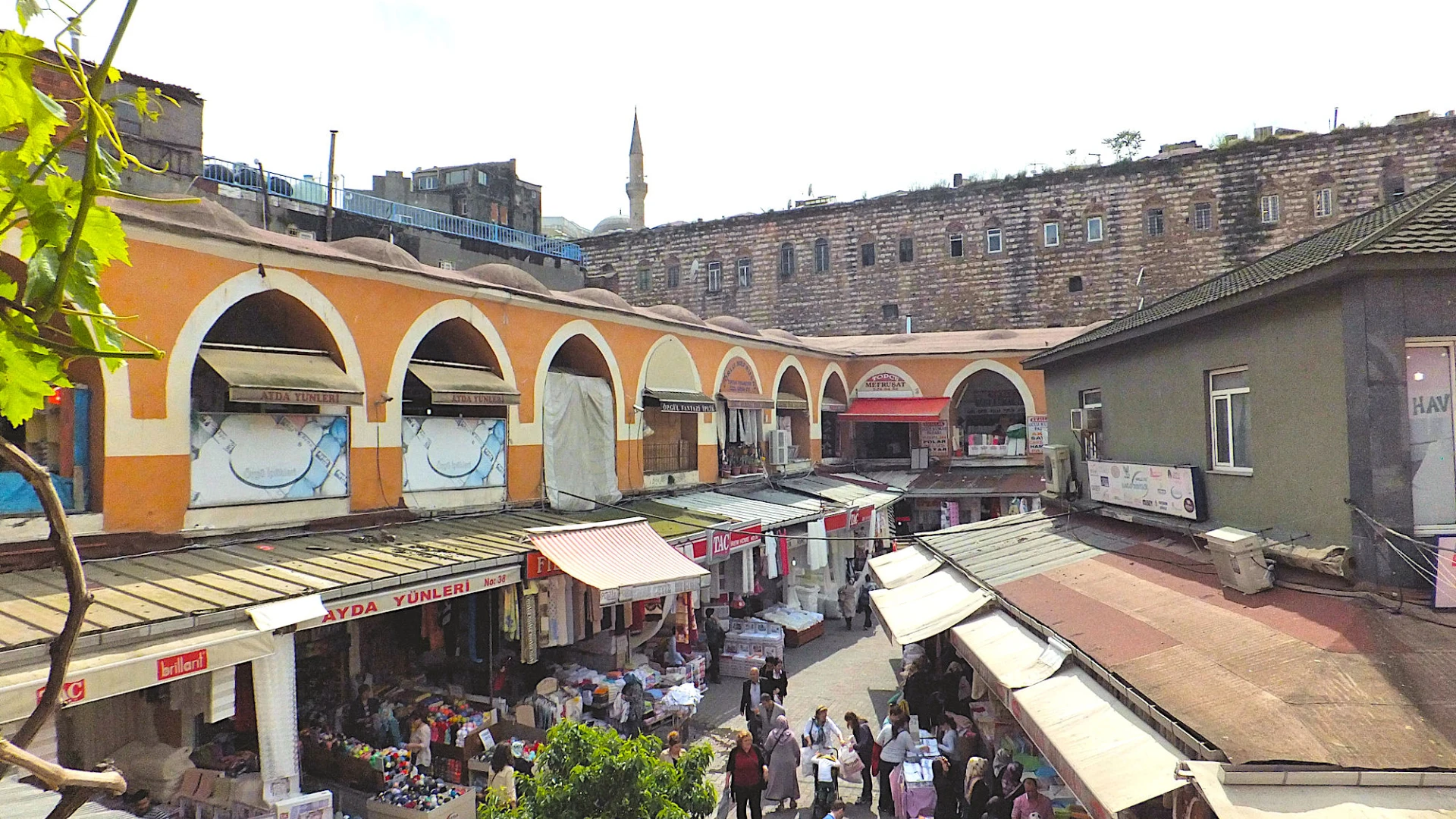
Most visitors spend two to three hours exploring its maze of historic passageways, hidden courtyards, and artisan workshops and particularly Hans (similar to inns however they were primarily used as market halls or vaults in 16th century).
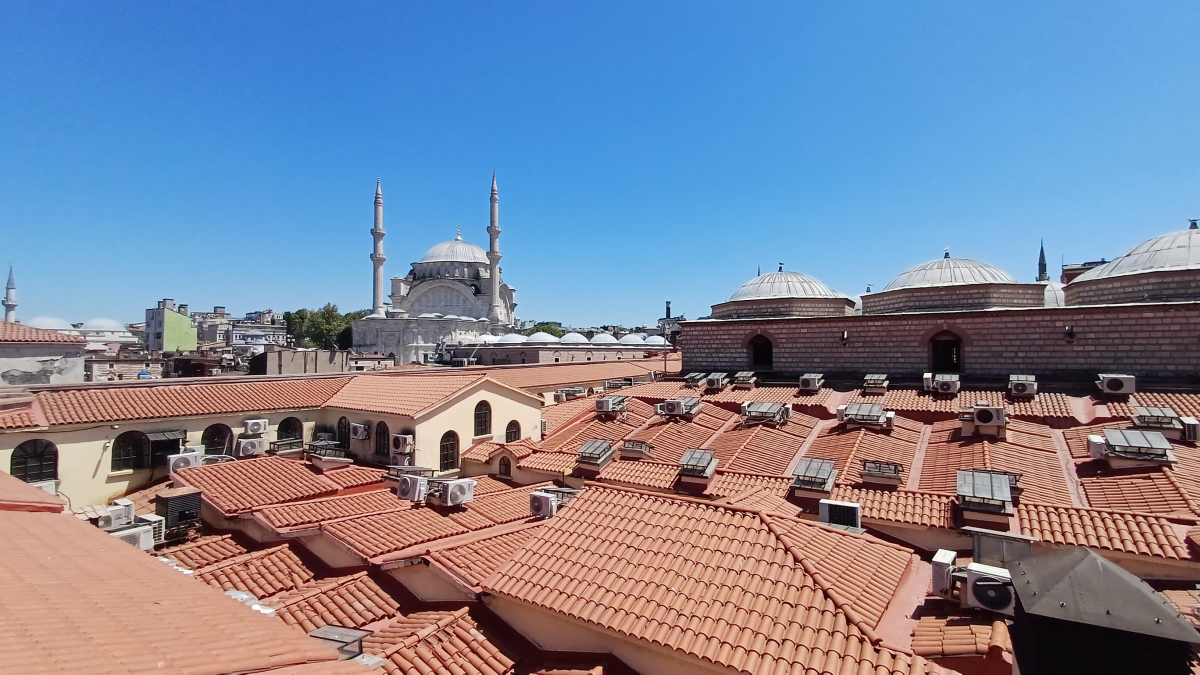
Getting there is easy: The Beyazıt–Kapalıçarşı stop on the T1 tram line is only a short walk from the main entrances. Once you've finished exploring, some of Istanbul's finest landmarks, including Nuruosmaniye Mosque, the Column of Constantine, Çemberlitaş Hamam, the Spice Bazaar, and Süleymaniye Mosque, are all within walking distance, making the Grand Bazaar an ideal starting point for discovering the city's historic center.
| Highlights | Why It's Worth Visiting |
|---|---|
| Historic Marketplace | One of the world's oldest and largest covered markets, operating for more than 560 years. |
| Traditional Shopping | Discover handmade carpets, İznik ceramics, gold jewelry, leather goods, lamps, spices, and Turkish souvenirs. |
| Ottoman Architecture | Wander through vaulted passageways, historic hans (market halls and vaults), fountains, and centuries-old trading streets. |
| Living Craftsmanship | Meet artisans who continue traditional techniques passed down through generations. |
| Cultural Experience | Experience bargaining, Turkish hospitality, and the lively atmosphere of one of Istanbul's most iconic landmarks. |
2- Spice Bazaar
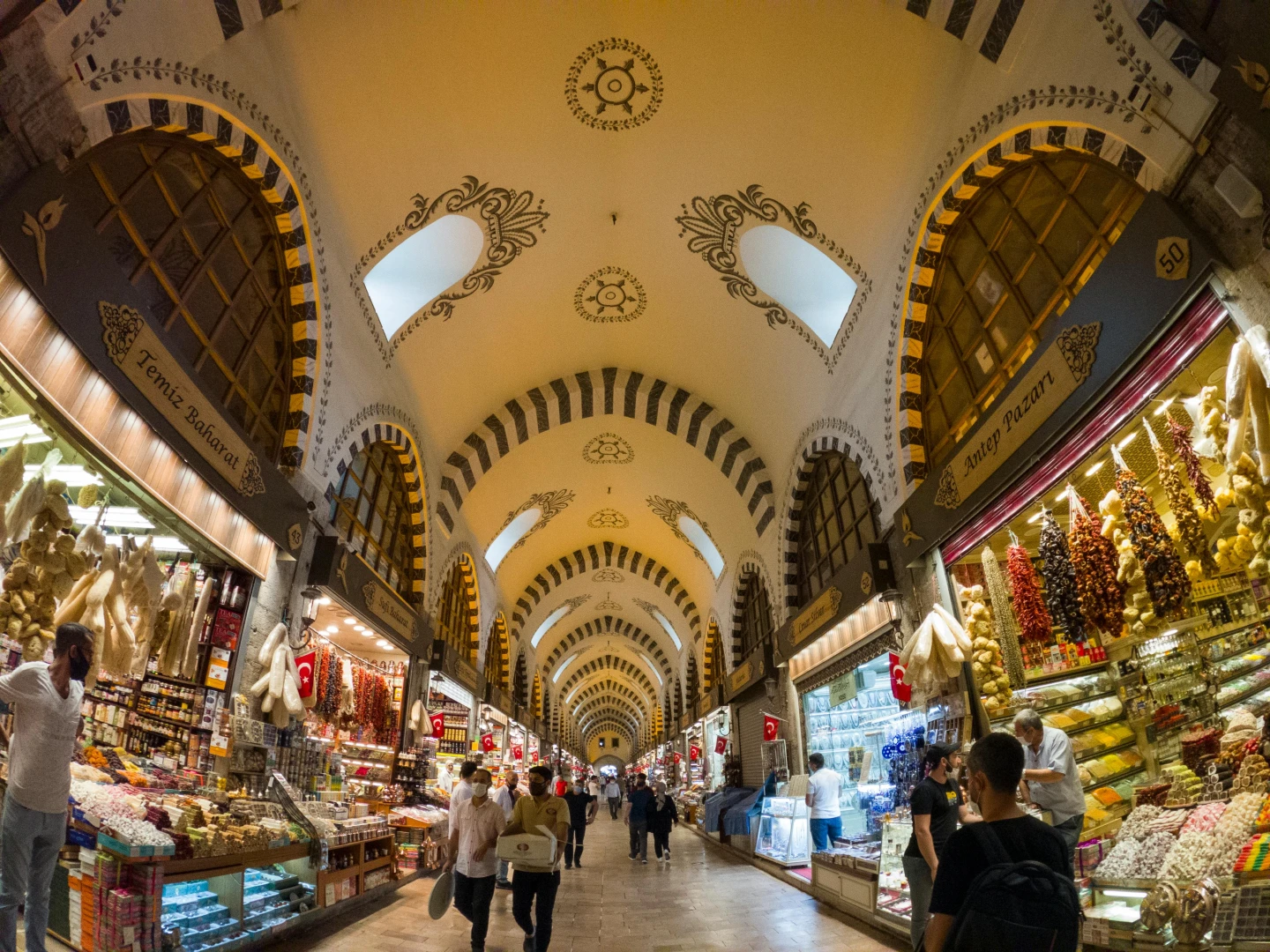
Just ten minutes walk from the Grand Bazaar, the Spice Bazaar has been filling Istanbul with the aromas of spices, herbs, teas, and sweets since 1664. Built as part of the New Mosque (Yeni Camii) Complex, the market helped generate income for one of the city's largest imperial foundations while connecting merchants arriving from Egypt, Arabia, Persia, and beyond. Today, around 90 shops line its vaulted corridors, offering everything from saffron, sumac, Turkish delight, dried fruits, nuts, herbal teas, and local delicacies to natural cosmetics and traditional souvenirs.
The Spice Bazaar is open daily from 09:00 to 19:00, free entrance, and can comfortably be explored in 30 to 60 minutes, although food lovers often stay longer to sample regional specialties. The easiest way to reach the market is via the Eminönü stop on the T1 tram line, placing it within a short walk of the Galata Bridge, Yeni Mosque, Rüstem Pasha Mosque, the Egyptian Bazaar waterfront, and the ferry terminals serving the Bosphorus and the Asian side of Istanbul.
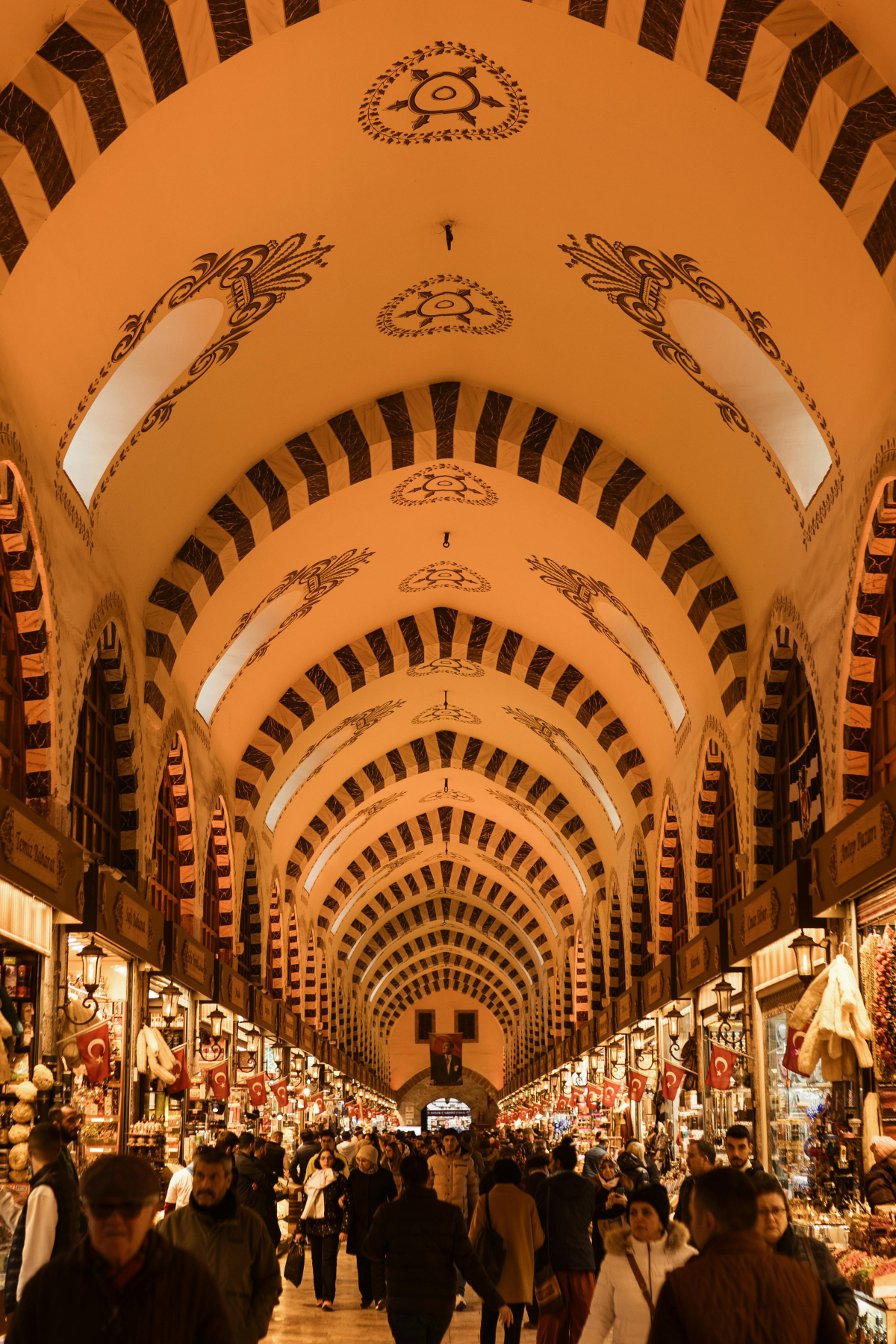
| Highlights | Why Visit? |
|---|---|
| Authentic Turkish Flavours | Discover saffron, sumac, herbal teas, dried fruits, nuts, Turkish delight, coffee, and spices that continue to shape Turkish cuisine today, while picking up delicious souvenirs that are easy to take home with you. |
| A Feast for the Senses | Experience the aromas, colours, and lively atmosphere of one of Istanbul's oldest and most iconic food markets. |
| Historic Dining at Pandeli | Enjoy traditional Turkish cuisine at Pandeli Restaurant, the historic restaurant overlooking the bazaar that is featured in the Michelin Guide and renowned for its beautiful blue İznik-tiled interiors. |
| Compact & Easy to Explore | Unlike the Grand Bazaar, the Spice Bazaar can be comfortably explored in under an hour, making it ideal for shorter itineraries. |
| Perfect Location for Bosphorus Cruises | Combine your visit with the New Mosque, Galata Bridge, Eminönü waterfront, a Bosphorus cruise, or a ferry to Istanbul's Asian side. |
If you would like to learn more about stories of the Grand and Spice Bazaar, check out blog posts below.