
Çinili Köşk (The Tiled Pavilion)
Çinili Köşk Müzesi, Cankurtaran, Osman Hamdibey Yokuşu, Fatih/İstanbul, Türkiye
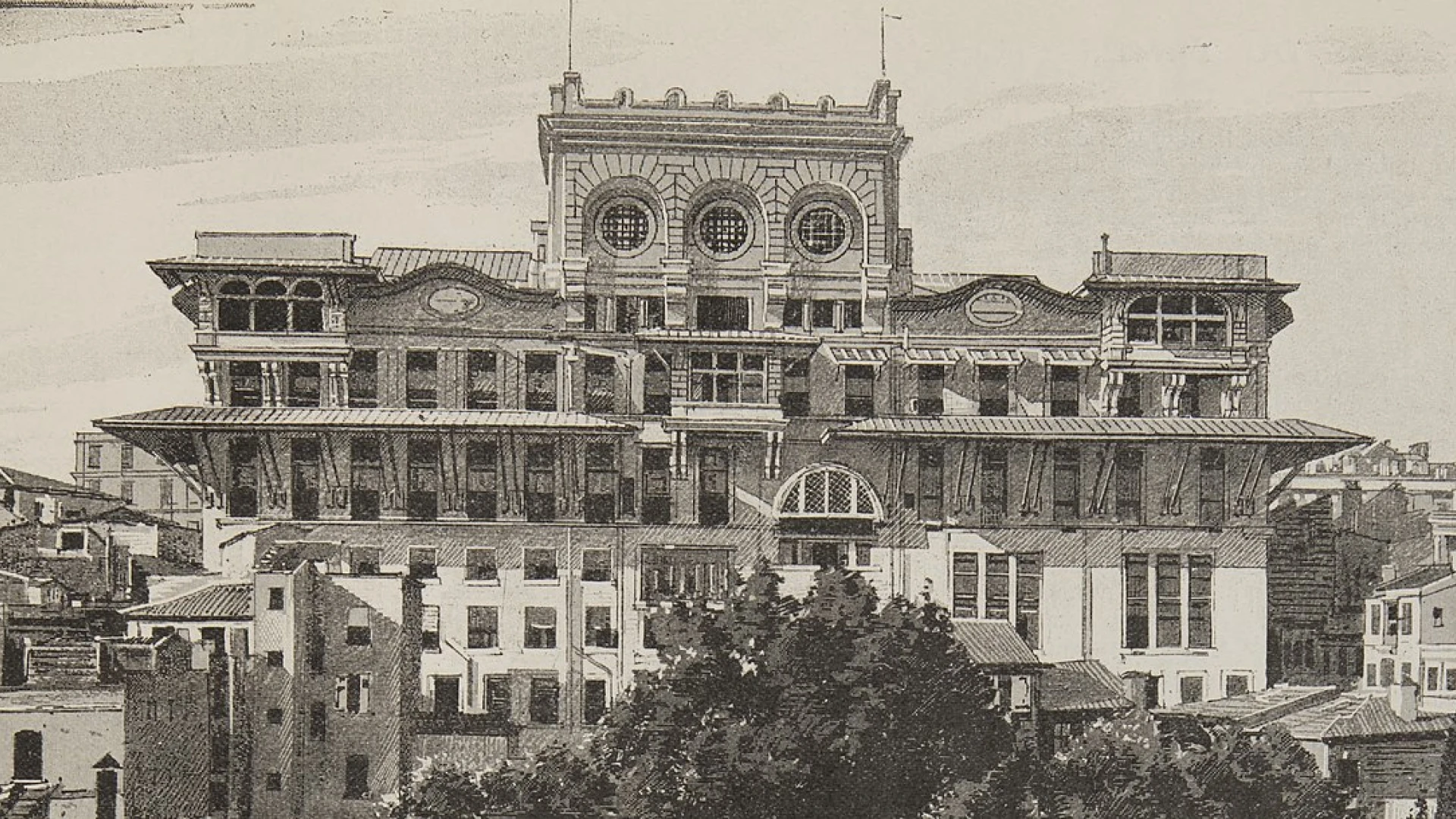
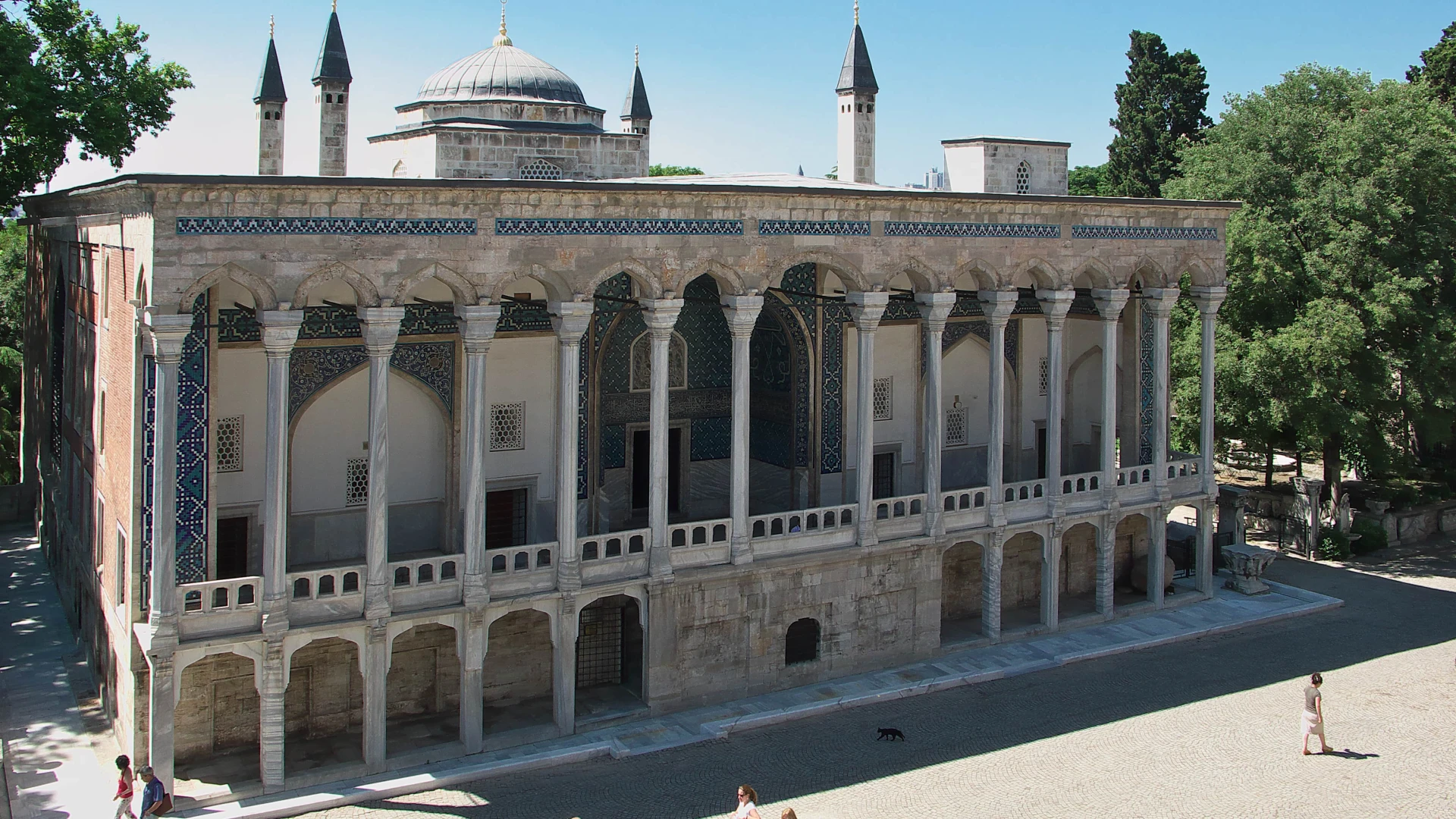
The Çinili Köşk (Tiled Pavilion) serves as a timeless bridge between the ancient history of Central Asia and the imperial power of Istanbul. Built in the late 15th century by Sultan Mehmed the Conqueror, it is the oldest pavilion in the Topkapı Palace complex. While most buildings of that time were made of wood, this stone structure was created to last, marking a turning point in Ottoman architecture.The true significance of the pavilion lies in its elegant design. It features a classic four-room layout, a style that reflects the old traditions the Turks brought from Central Asia to Anatolia. This makes the building a rare example of how these distant roots combined with the new Ottoman style.The exterior tiles are among the building's most extraordinary features. The turquoise and white mosaic tiles, decorated with complex geometric patterns and Kufic calligraphy, give the building a light, elegant appearance. In the words of 15th-century historian Tursun Bey, the kiosk was like a "paradise on earth."The kiosk's position provides a dramatic perspective over the historic Golden Horn dock. The building sits on a high, artificial terrace, looking out over the Gülhane Park. It has stood for over five centuries, serving as a silent witness to the city’s long history. Today, the Çinili Köşk remains an essential symbol of the artistic and cultural journey that shaped the Ottoman Empire and modern museum curation in Turkey. It is under the restoration and it will house rare tiles from Seljuk and Ottoman era.
Related Contents

No content found for this location
No content added for this location yet.
Reviews

No Reviews Yet
Be the first to review this location!